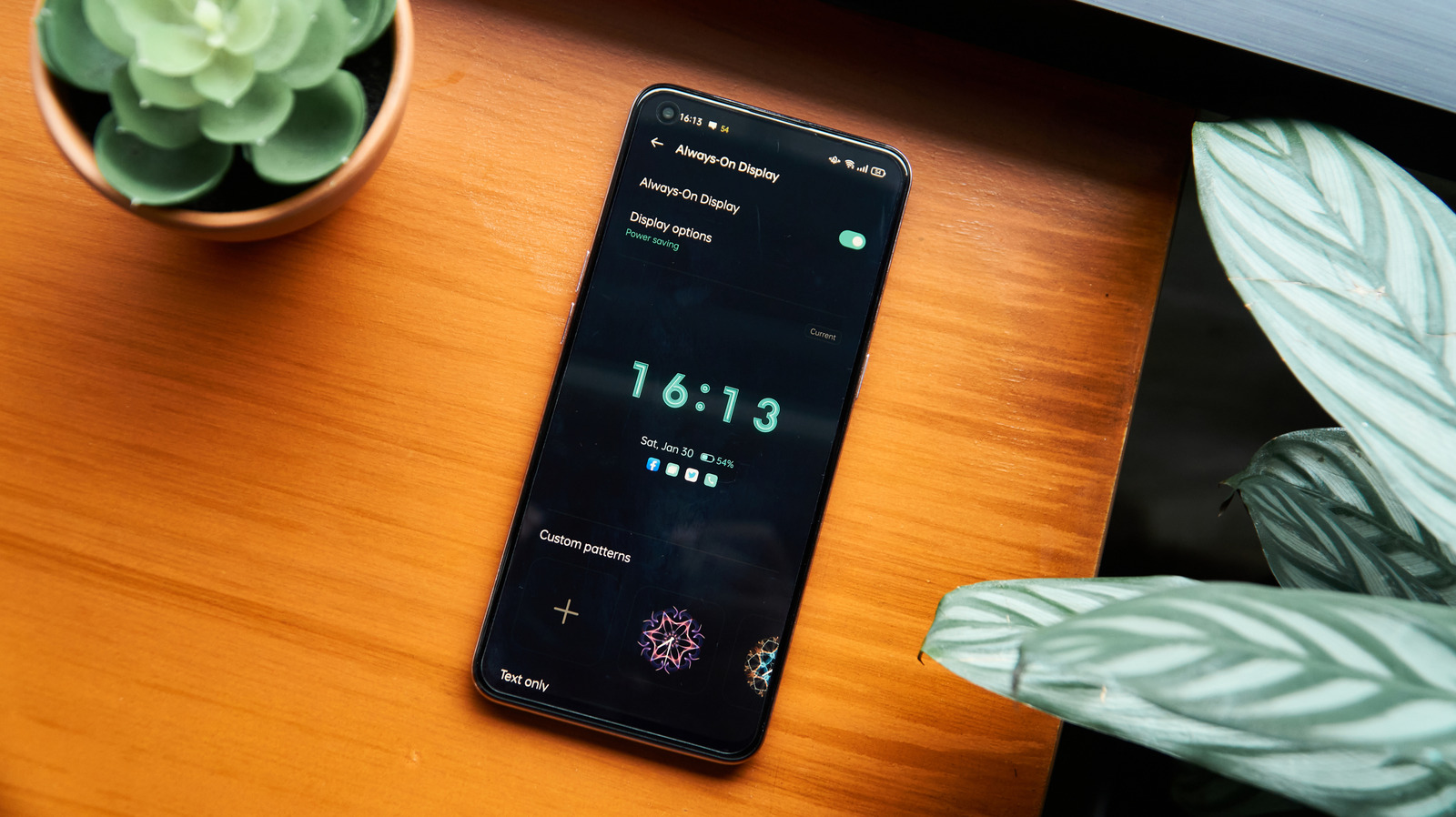
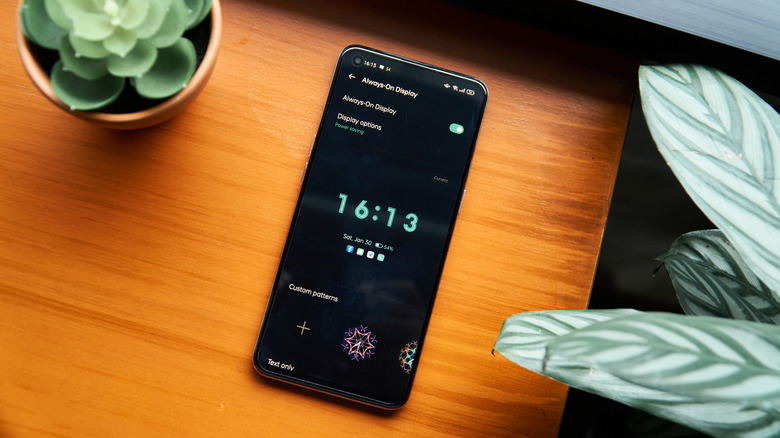
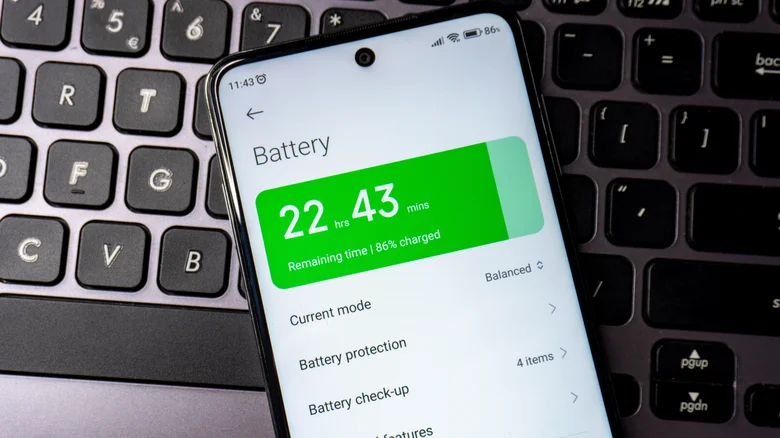
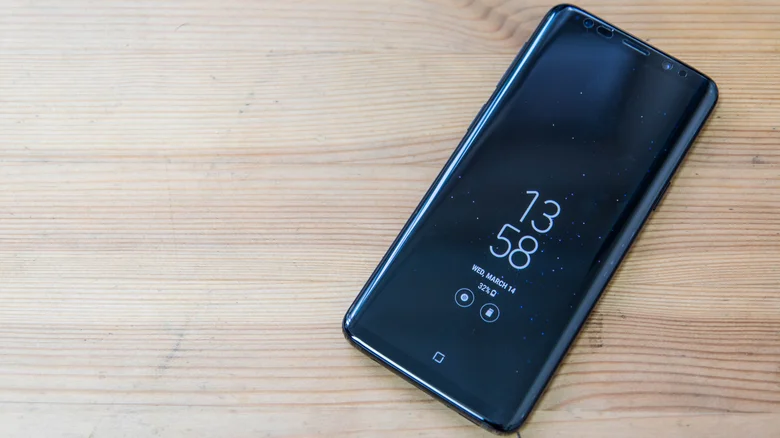
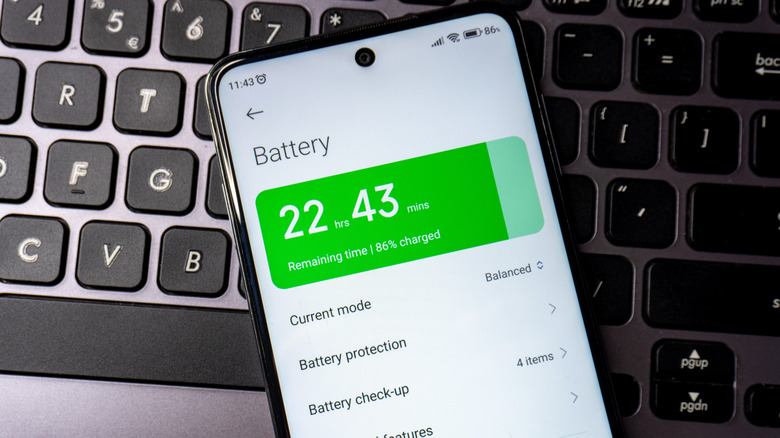
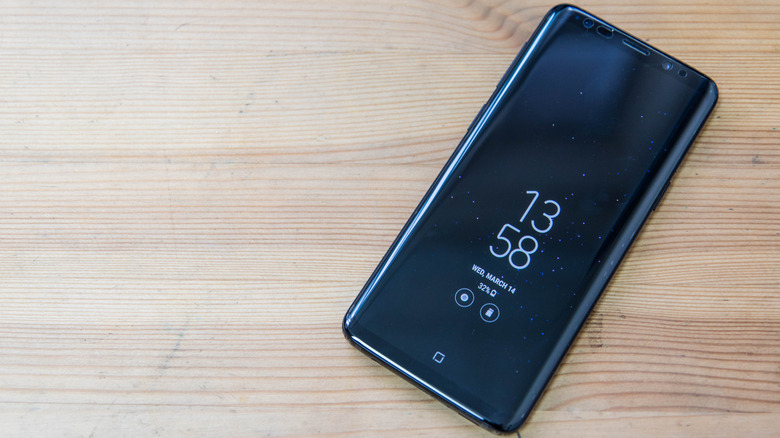
Lukmanazis/Shutterstock Modern Android phones are packed with features to streamline your experience, one of which is Always-On Display (AOD), introduced in 2016. It displays important information like date, time, notifications, music controls, and widgets on the lockscreen, negating the need to pick up the phone or tap the screen. As the name suggests, the display is always on, although not the entire screen. Naturally, this has an impact on your phone's battery life, which is why many prefer the Tap-to-Wake functionality. In this mode, the screen is completely off until you tap it once or twice to turn on the display. Between Always-On Display and Tap-to-Wake, the latter is better for battery life. That's because, even if only a few pixels remain lit, as is the case with AMOLED displays, Always-On Display still requires power, which drains the battery faster than a completely dark screen.…