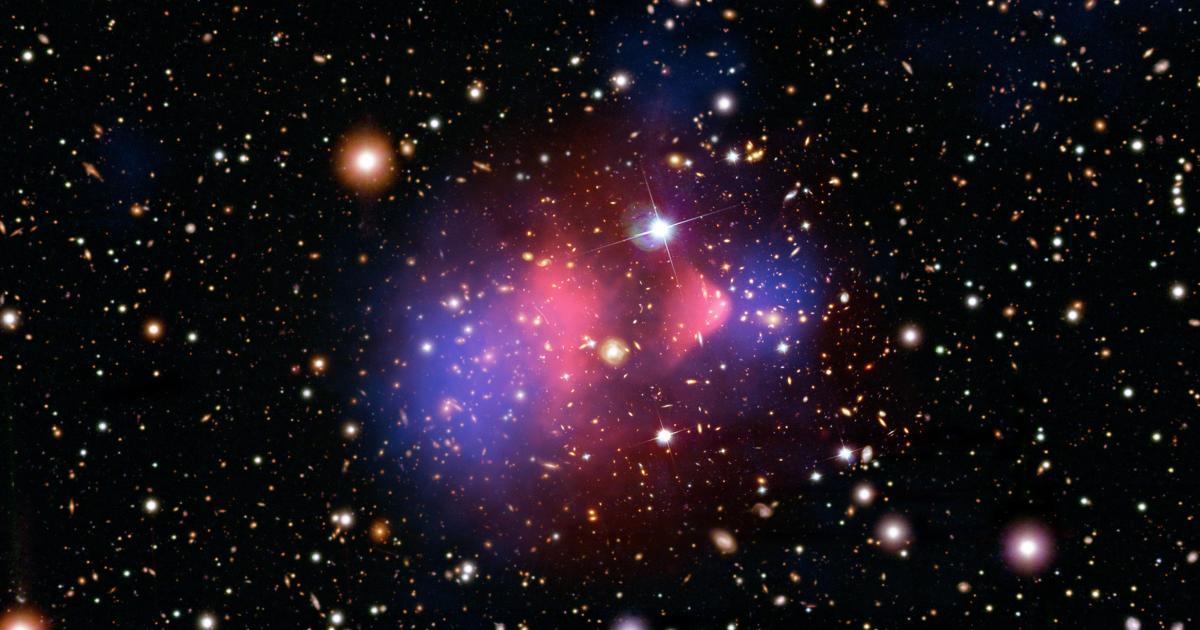
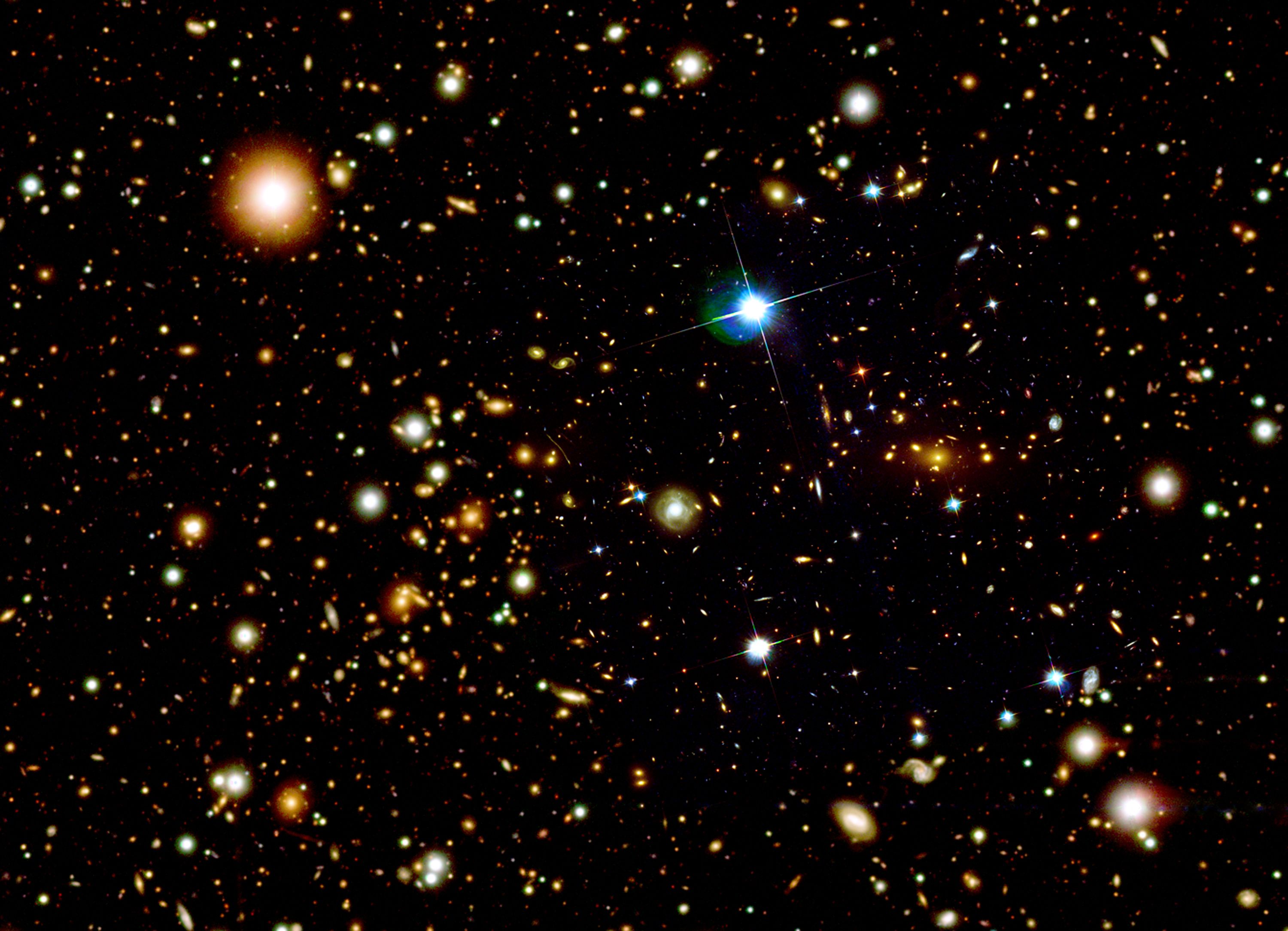
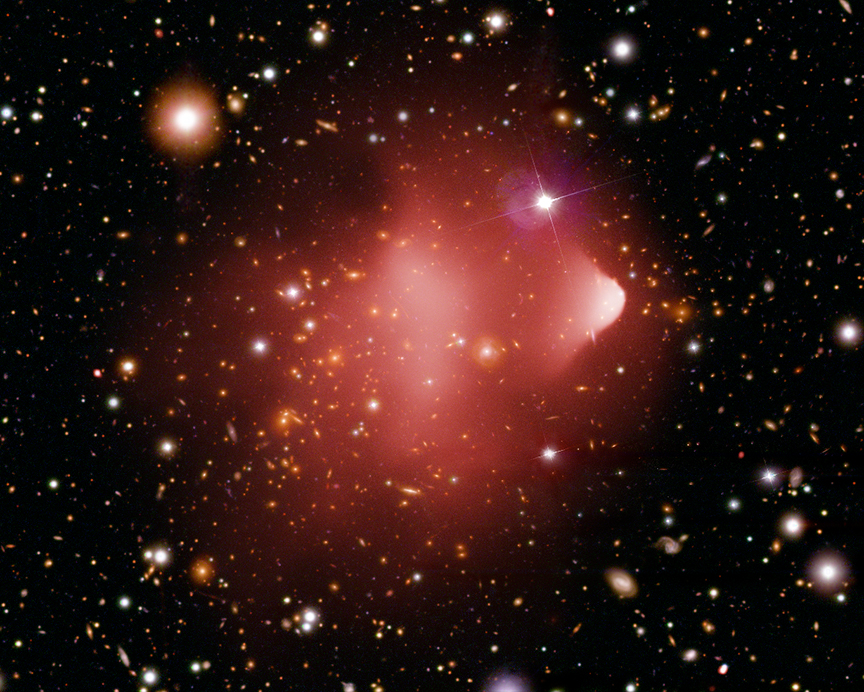
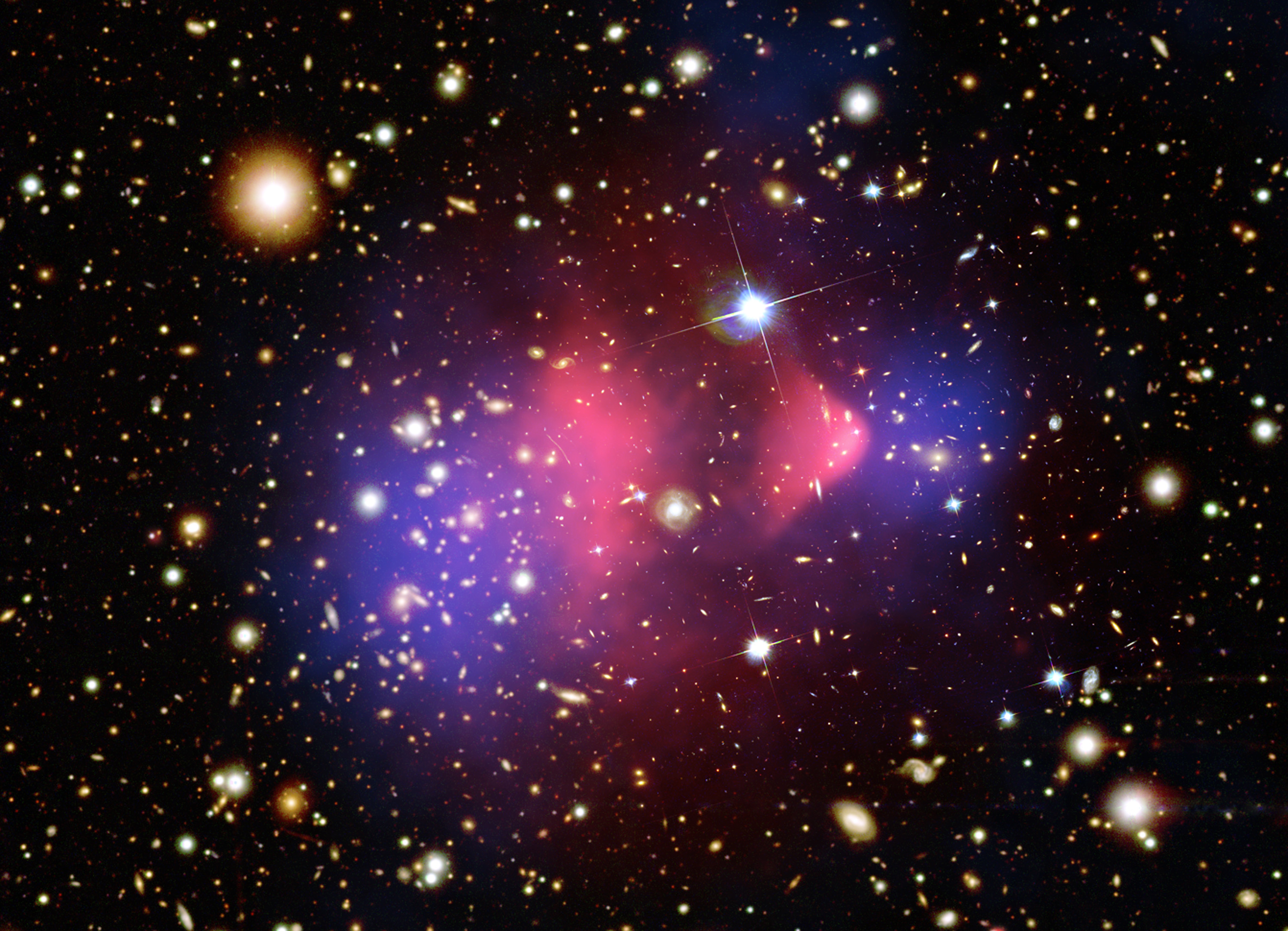
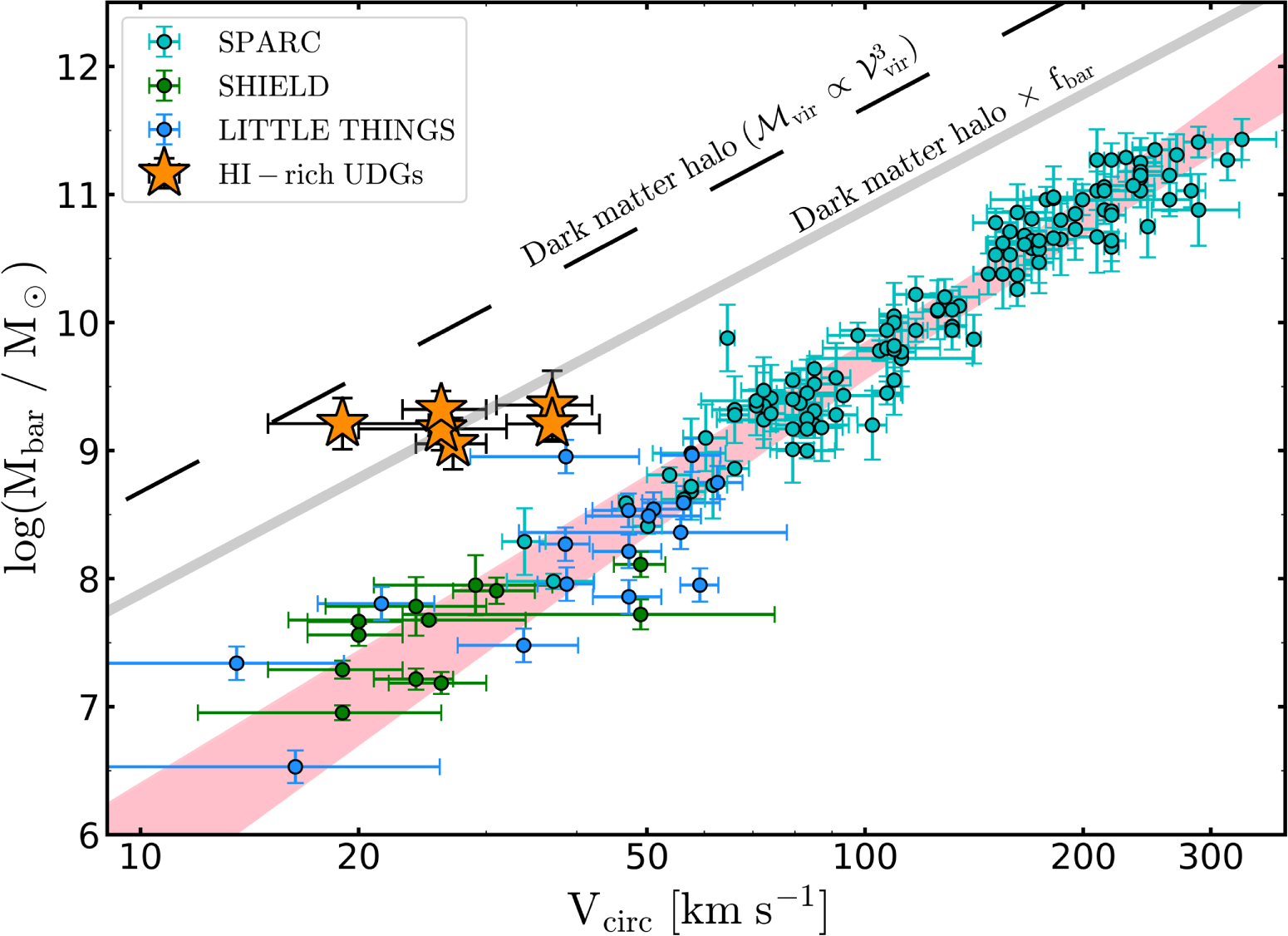
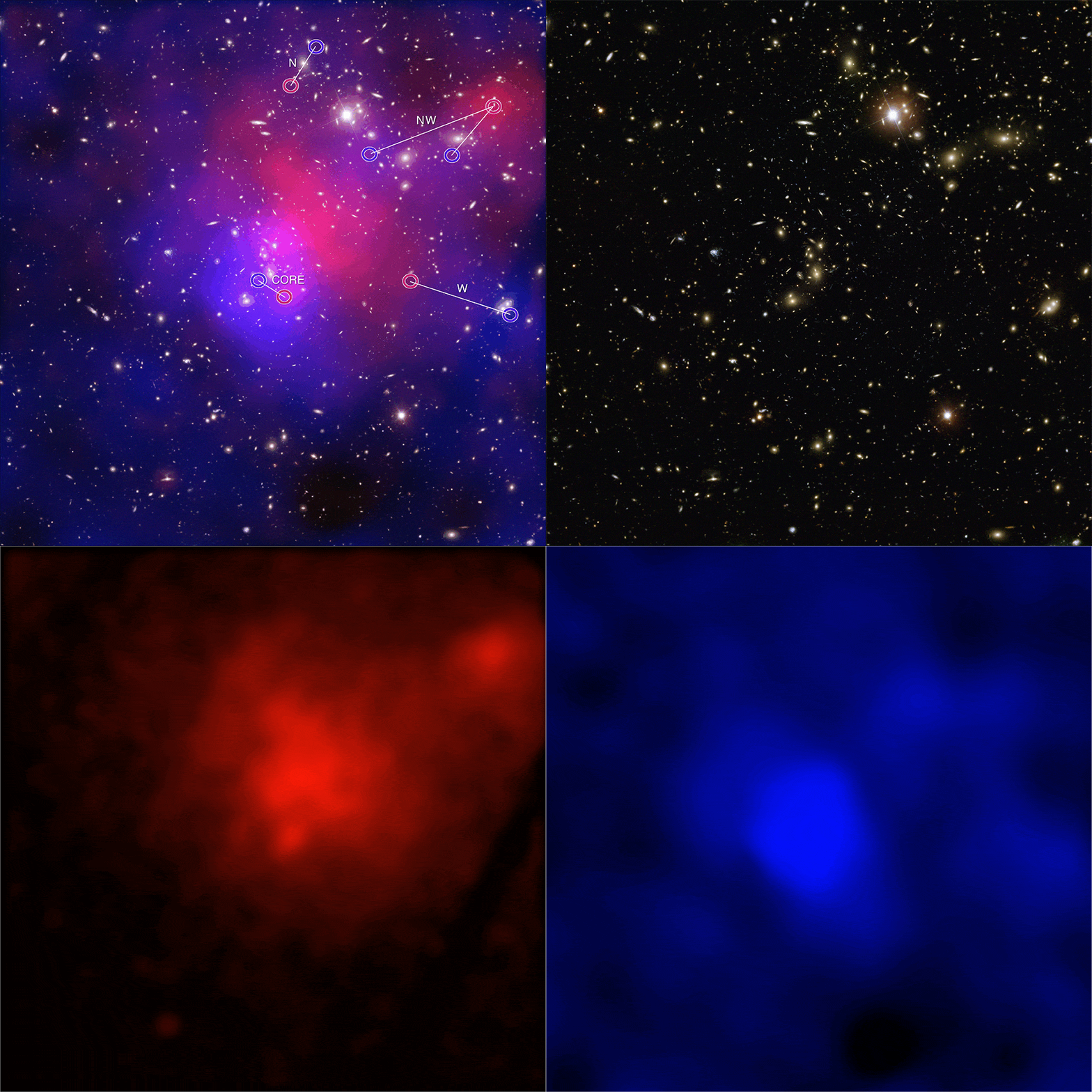
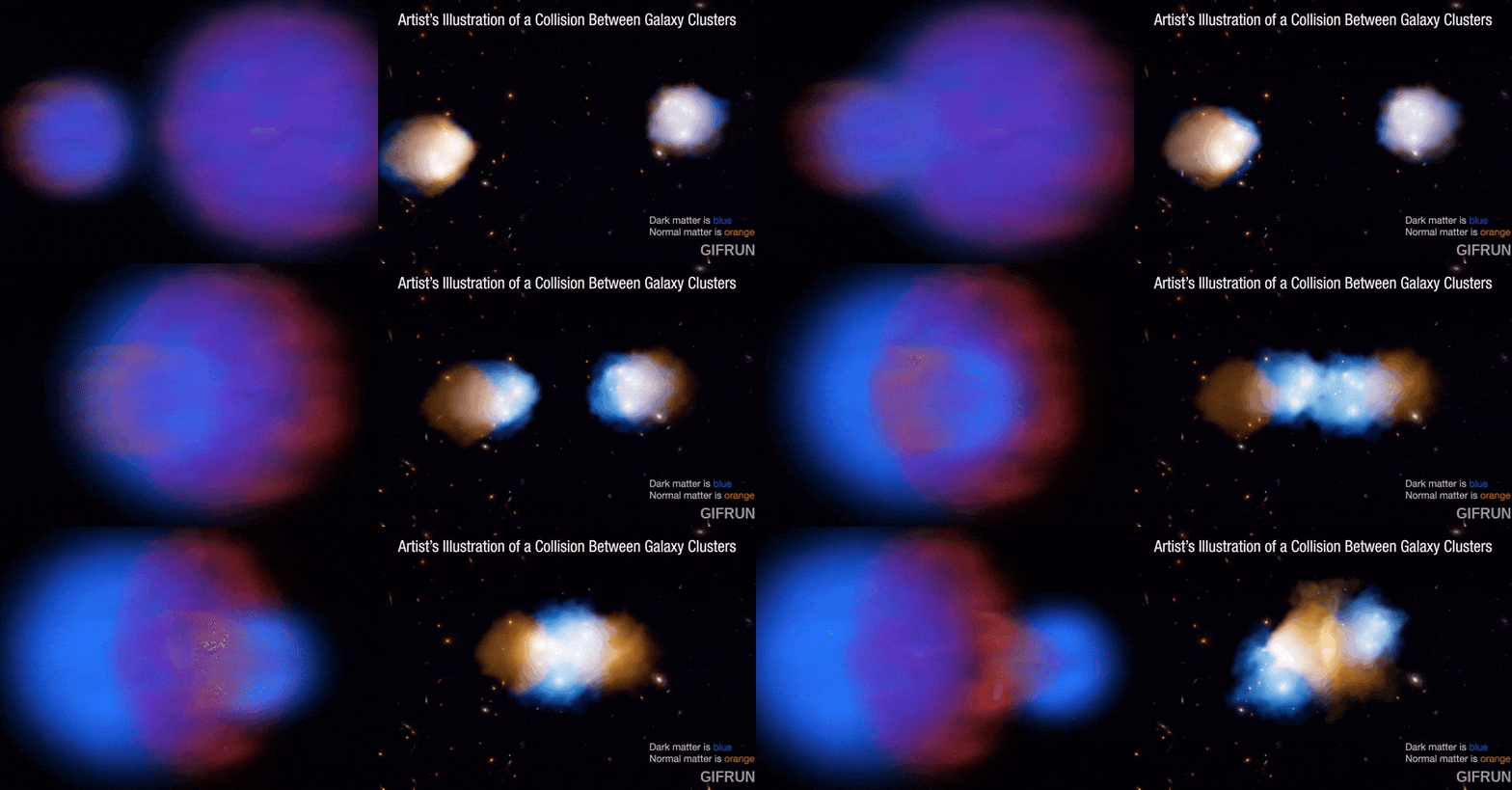
20 years ago, the story of our Universe took an unexpected turn, when dark matter’s existence was confirmed empirically within the natural lab of the Universe: through the science of colliding galaxy clusters. Previously, we could only look at physical systems — individual galaxies, large clusters of galaxies, or the grand cosmic web on large-scales — and infer that something was missing. There were two plausible explanations: either the law of gravity was wrong and needed modifying on large cosmic scales, or there was a missing ingredient that was present and gravitated, but that defied direct detection. That second explanation, known as dark matter, was initially favored because the addition of that one ingredient could explain all of the observed physical phenomena on a variety of scales, while modifying gravity required different modifications to align with different scales. However, the arrival of a direct comparative test changed the story dramatically.…