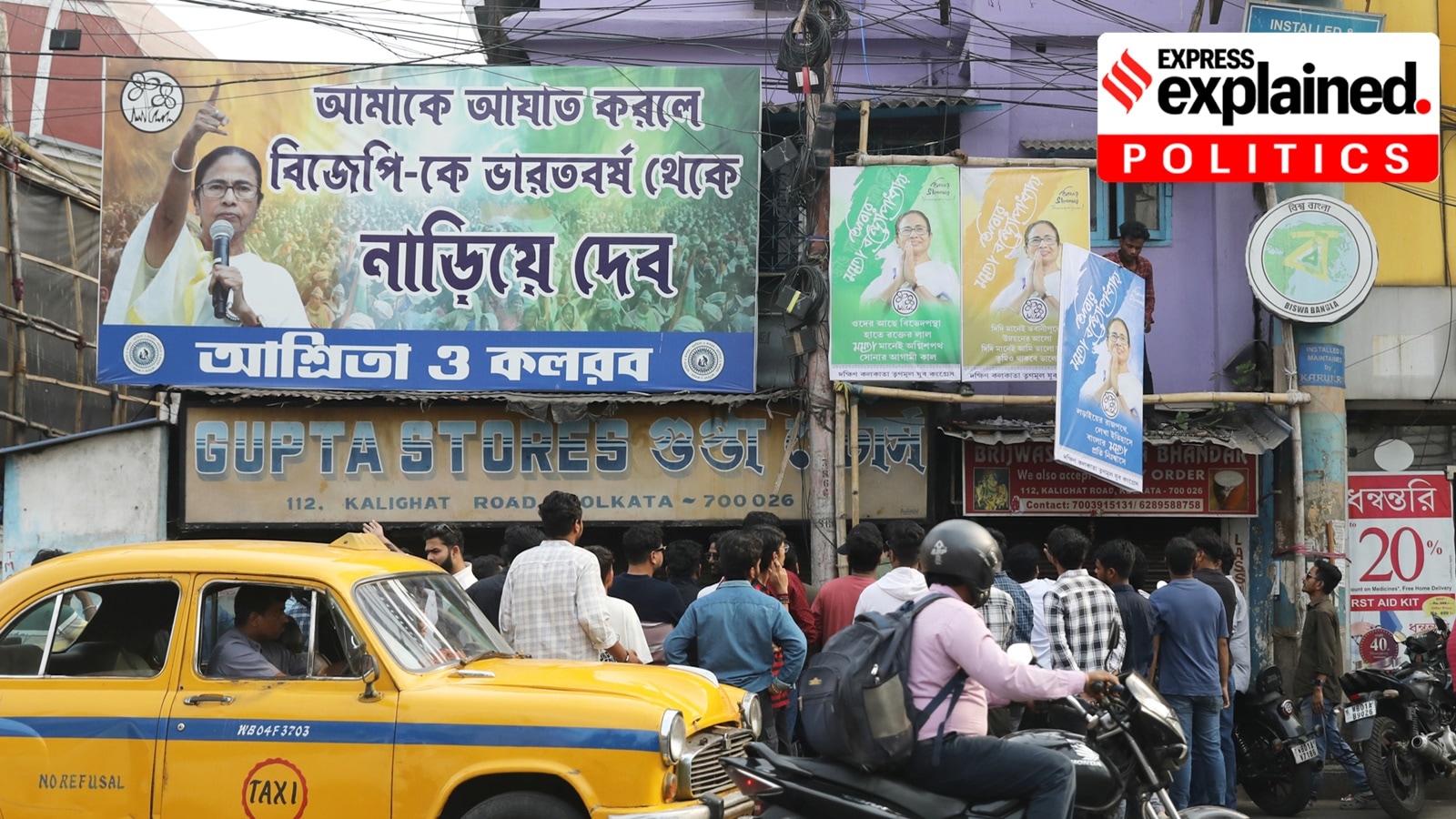
The post-mortem on the Trinamool Congress’s defeat is settling into familiar grooves: Anti-incumbency, welfare fatigue, corruption scandals, and the bhadralok’s (referring generally to middle-class and upper-caste Bengali Hindus) eventual comfort with Hindutva. Stagnant industry, syndicate violence, and the fallout from RG Kar and Sandeshkhali have also made it to the discussions. The Special Intensive Revision (SIR) of electoral rolls is part of the picture, too. Each explanation carries a piece of the truth. But besides SIR, none of it is new, or explains why the TMC imploded so quickly. The BJP’s vote share had plateaued over three cycles. The bhadralok’s discomfort with Mamata Banerjee is decades old. The welfare narrative looked resilient as recently as 2024. The harder question is structural. It concerns the dense web of rival groups and allegiance networks that hold party politics in Bengal together. To ask it, we need to revisit a concept Indian political science had quietly retired: factionalism.…