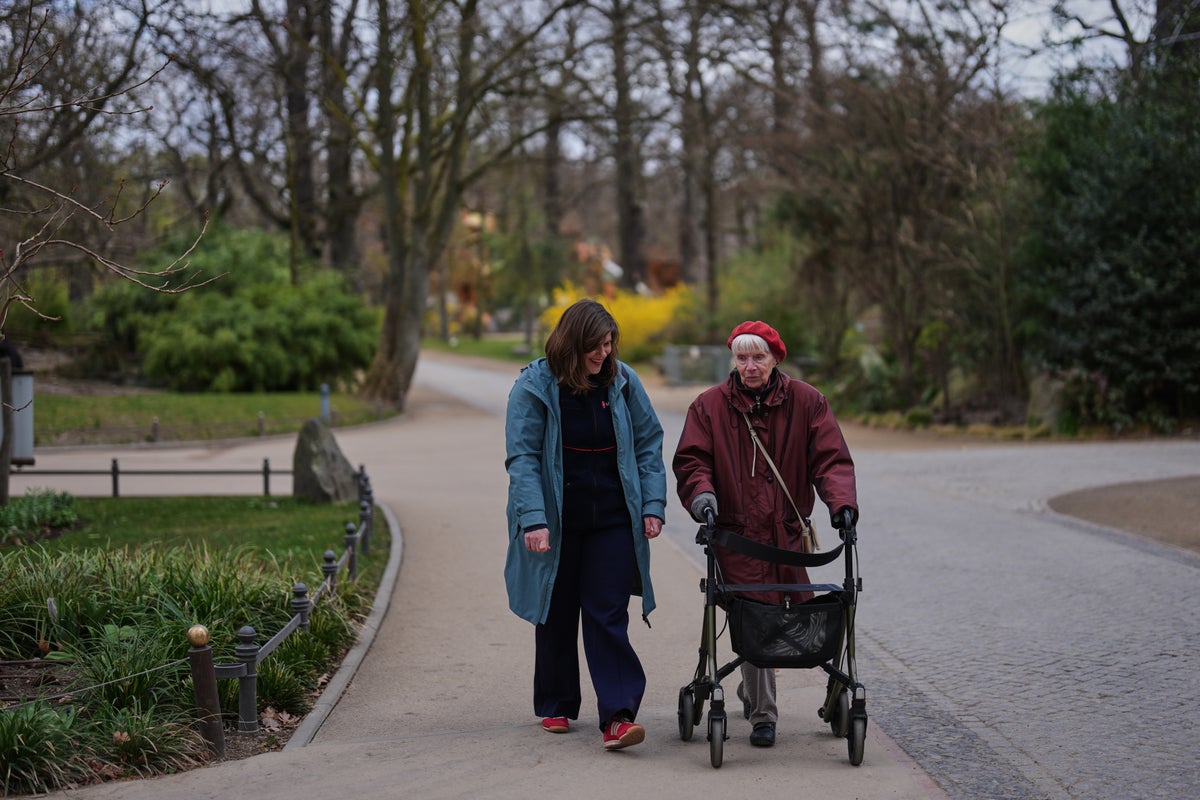
For people living with disabilities, barriers to tourism can range from the obvious — such as an out-of-service elevator — to the unseen, like an outing that's too long or a setting that's too loud. As the baby boom generation ages, the travel industry is increasingly catering to older adults with the time and money to sightsee internationally and who sometimes need additional assistance. Truly inclusive accessibility, though, accommodates a much greater range of tourists, from individuals with physical disabilities to people with autism or dementia. To better serve visitors with visible or invisible disabilities, museums and other cultural institutions worldwide have added specialized guides and barrier-free tours, some made possible by advances in technology. These include sign-language tours for people who are deaf or hard of hearing, touch-based events for guests with blindness or low vision, and programs designed for people on the autism spectrum.…