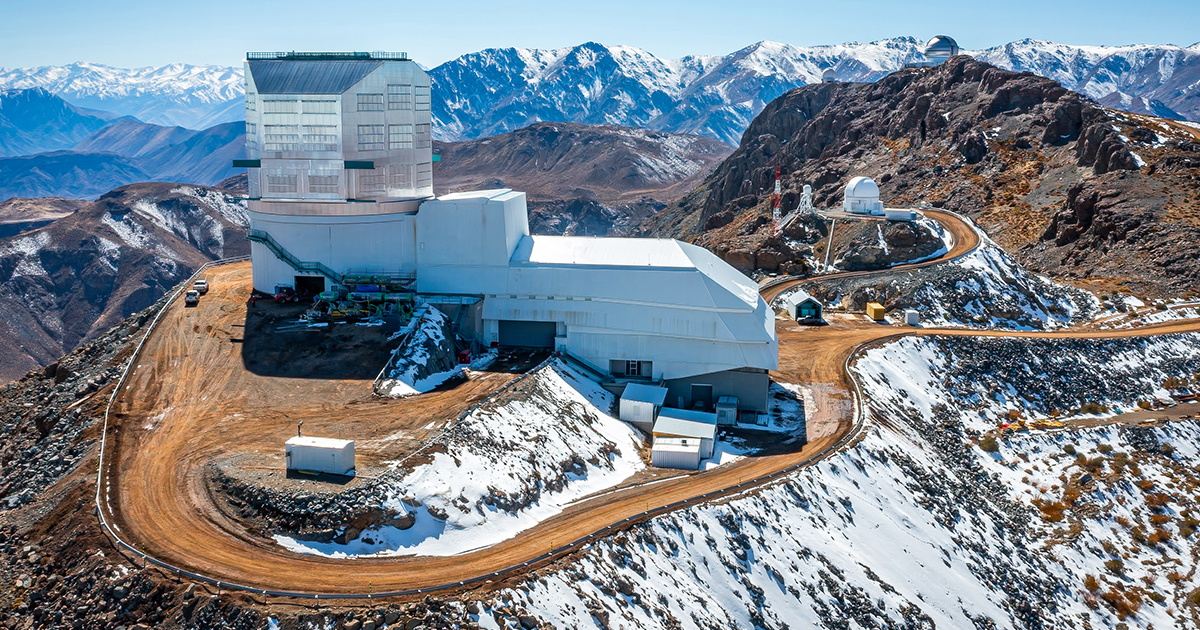
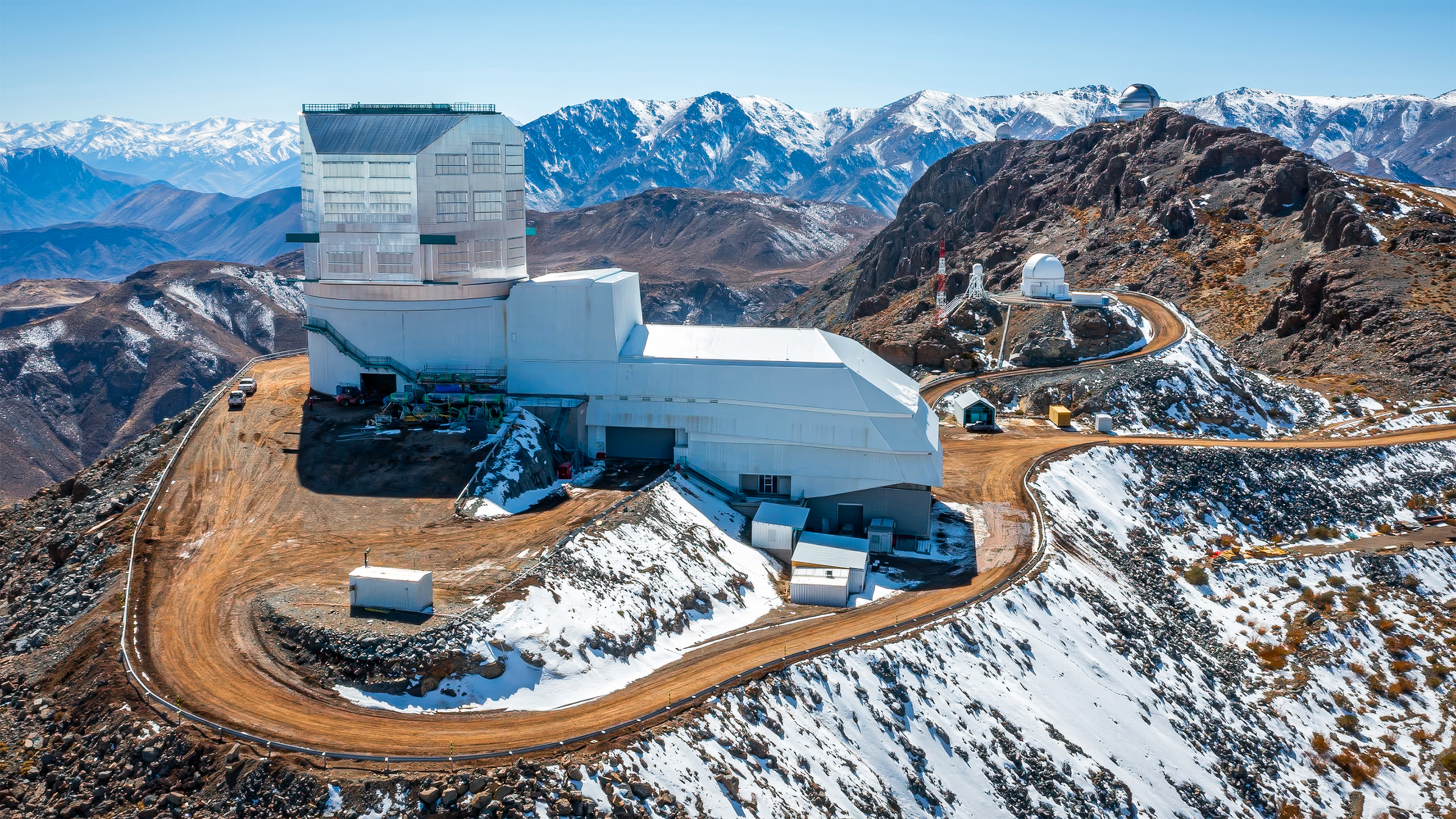
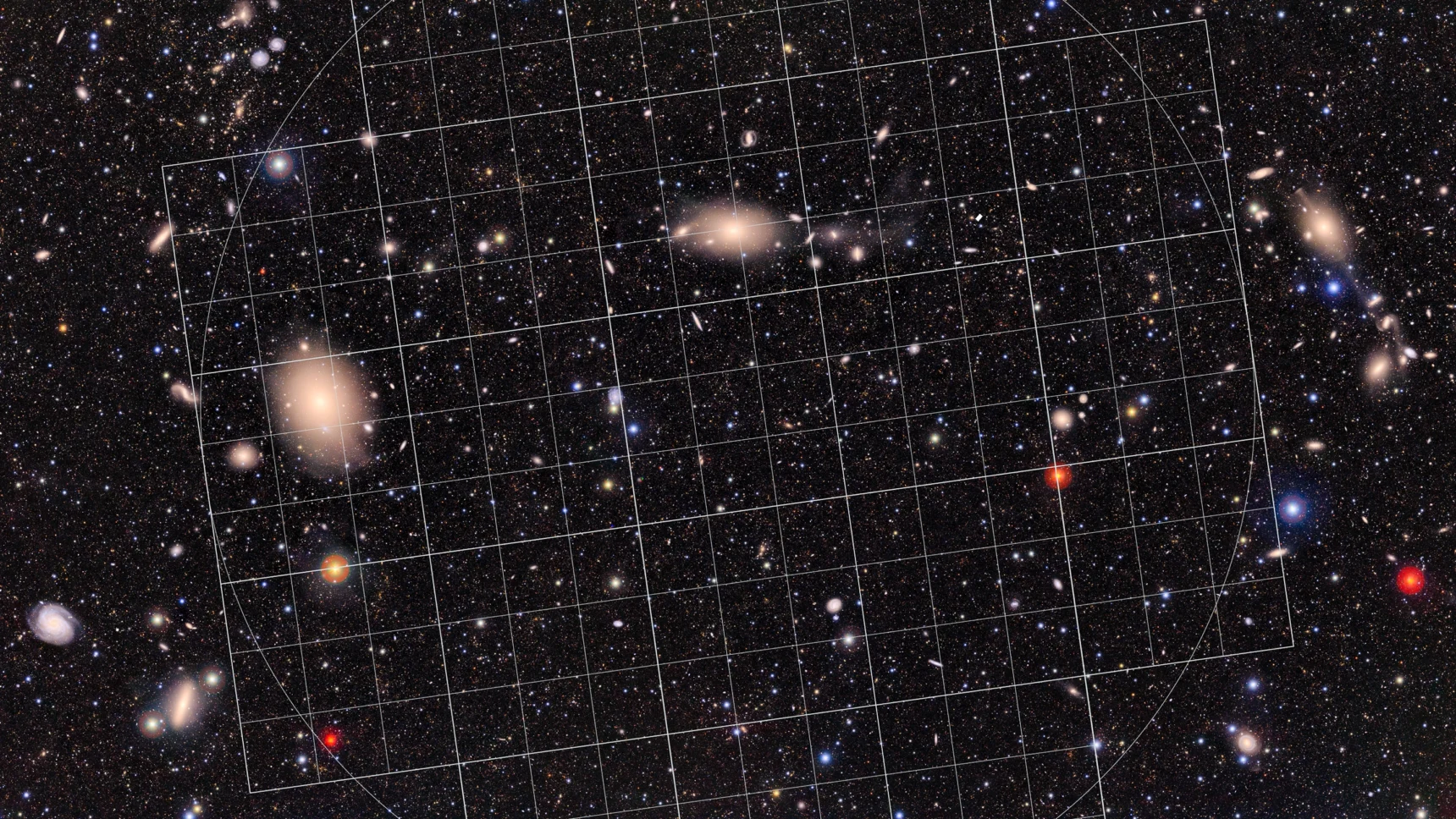
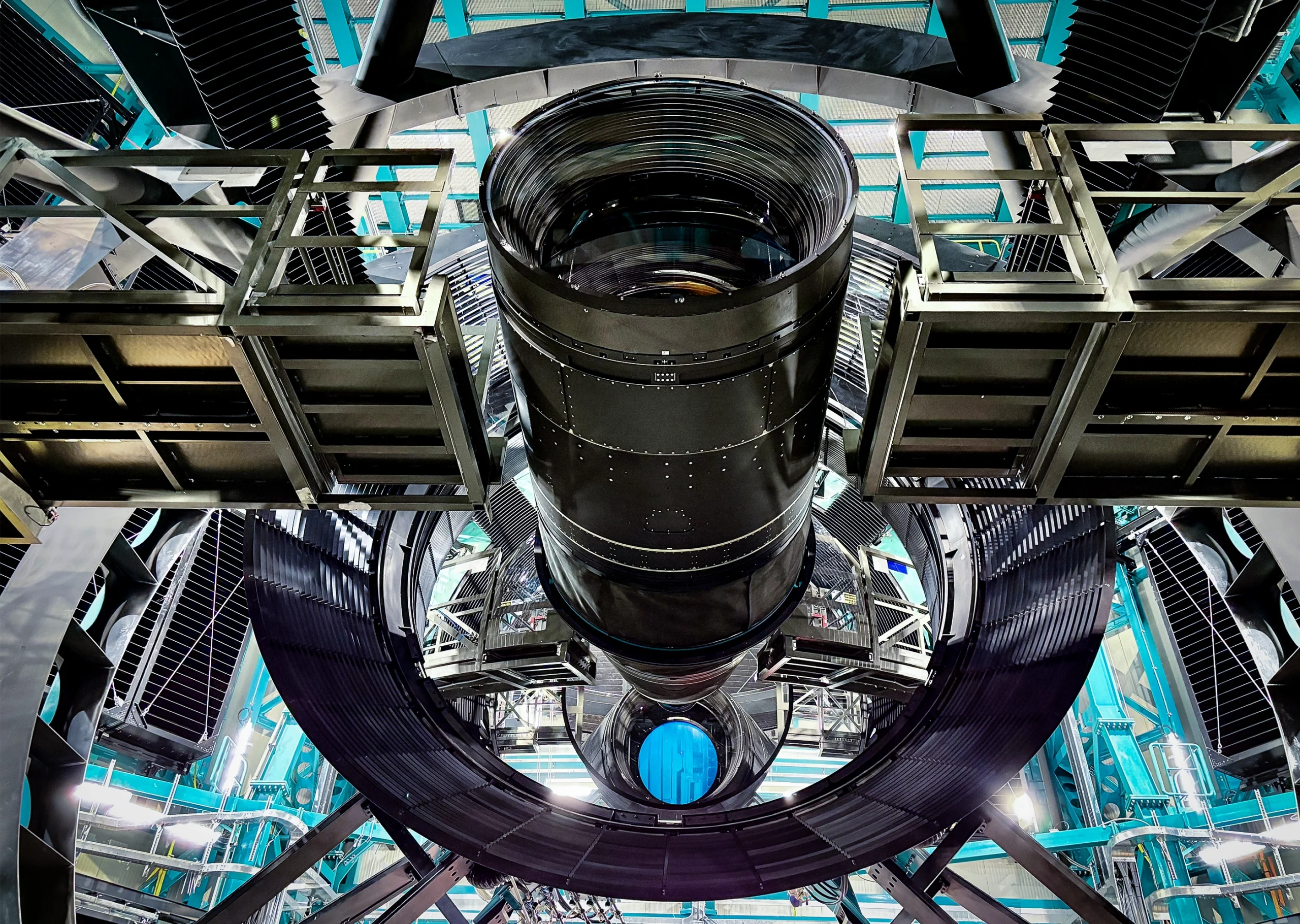
Astronomers are preparing for a new era of big-data astronomy, and results are already starting to arrive. Introduction Over the years, anticipation has built for the start of observations at the Vera C. Rubin Observatory in the mountains of the Atacama Desert in Chile. Originally imagined in the mid-1990s as the Dark Matter Telescope, Rubin is designed to study our constantly moving and changing universe in greater detail than ever before. Once every few days for a decade, Rubin will take images of the entire night sky over the Southern Hemisphere, creating the world’s largest time-lapse movie. In Rubin’s first year alone, scientists expect the observatory to find 1 million undiscovered asteroids — as many as have been documented in the previous 200 years of human history — as well as thousands of comets and billions of stars and galaxies.…