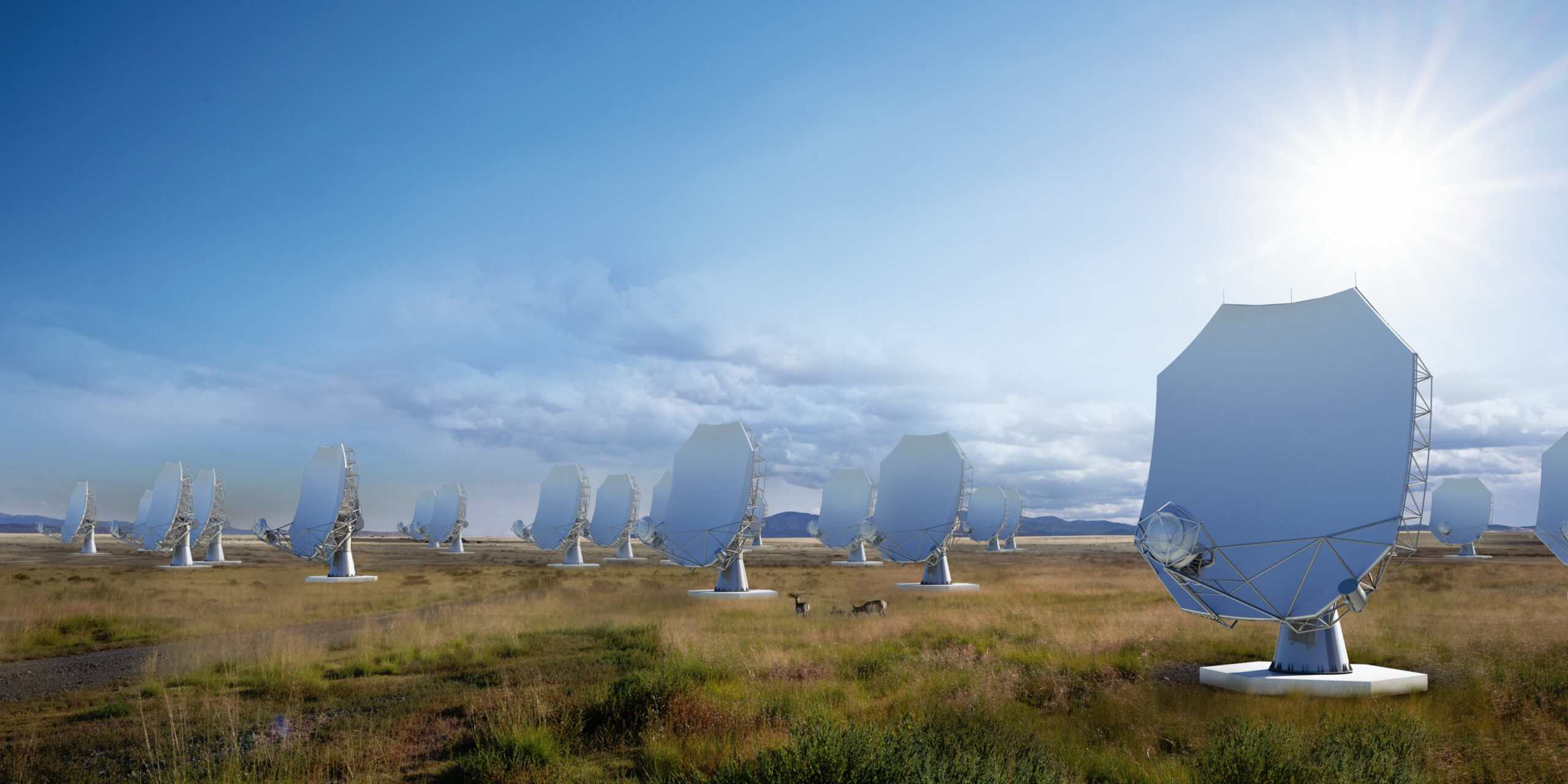
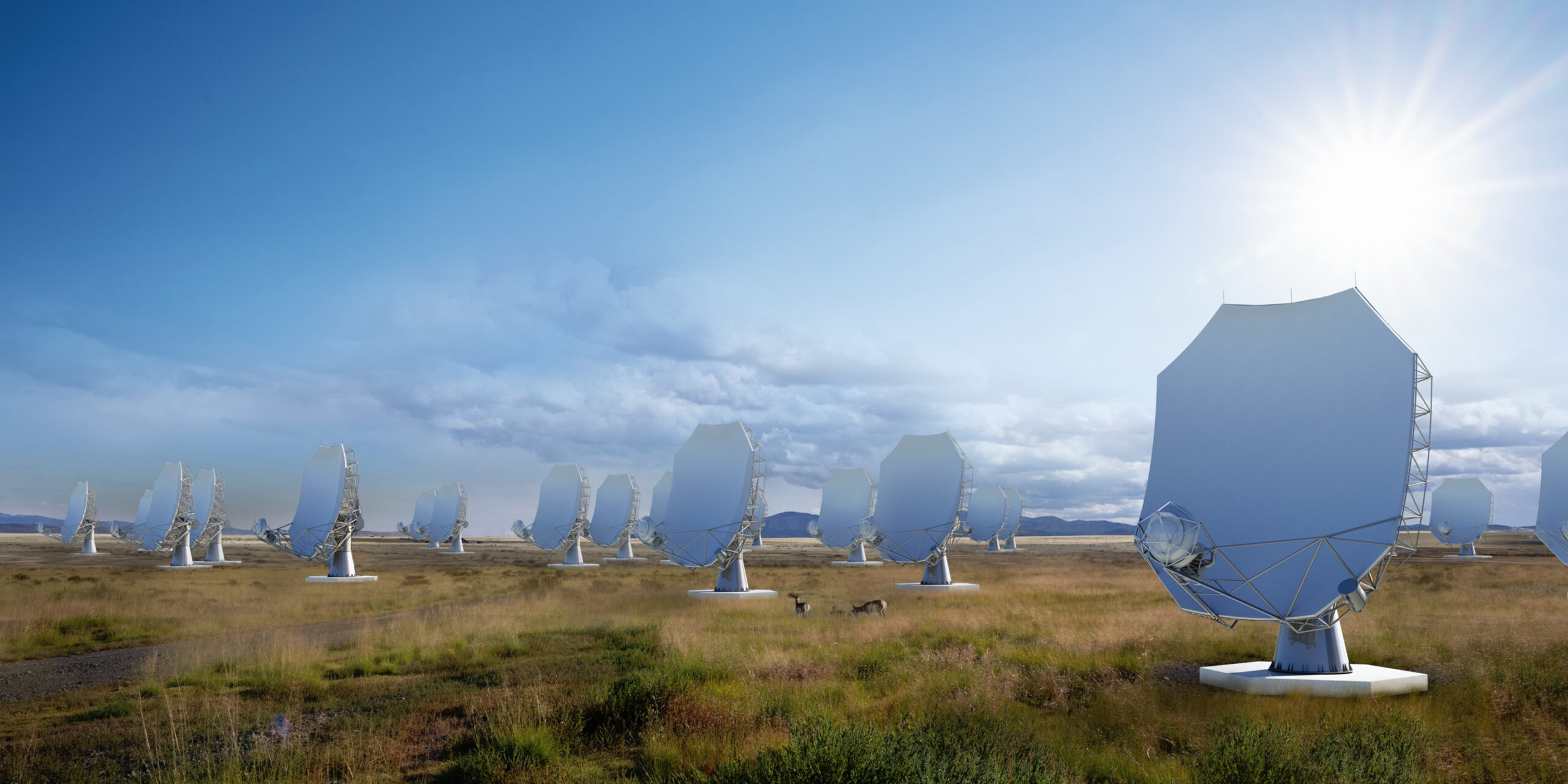
Scheduled for completion in 2035, the next-generation Very Large Array in New Mexico is expected to be the most sensitive instrument for radio SETI in its frequency bands ever built. It will produce 40 petabytes of data each month. Credit: Sophia Dagnello, NRAO/AUI/NSF Just over 40 years ago, in his novel Contact , astronomer Carl Sagan imagined what it would be like to detect radio signals beamed from other intelligent lifeforms in the galaxy. In the story, these extraterrestrial beings send blueprints to build a spaceship to carry a handful of Earth travelers to meet with them. While the book lies firmly in the realm of science fiction, Sagan’s expertise gave it a rare level of technical realism, offering a plausible sequence of events in which astronomers identify a radio signal of alien origin. Yet after a century of listening, we are still alone in the vast cosmos — though that has not killed the hope that radio telescopes could open a line of communication to alien civilizations.…