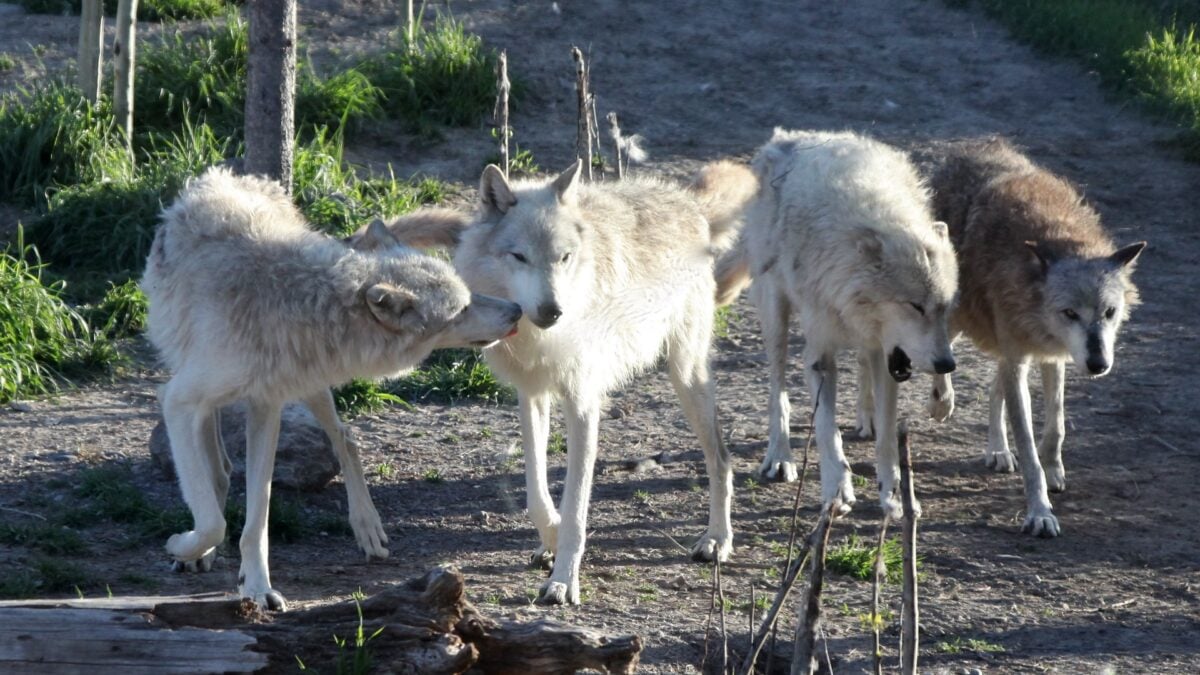
The most expensive nuclear disaster in human history turned 40 on Sunday, but the consequences have been almost perversely benign for some of the region’s wildlife. The full core meltdown at the Chernobyl Nuclear Power Plant in 1986—which led Soviet officials to wrap the failing nuclear reactor in a colossal sarcophagus of concrete and metal —took the lives of roughly 30 people in its immediate aftermath. Scientists now estimate the death toll between a conservative 4,000 and a stomach-churning 16,000 additional radiation-related deaths. To mitigate this bloodletting, roughly 1,081 square miles (2,800 square kilometers) of what is now Ukraine and another 838 square miles (2,170 sq km) of nearby Belarus were cordoned off into an impromptu radioecological preserve, which, despite the setting, continues to thrive.…