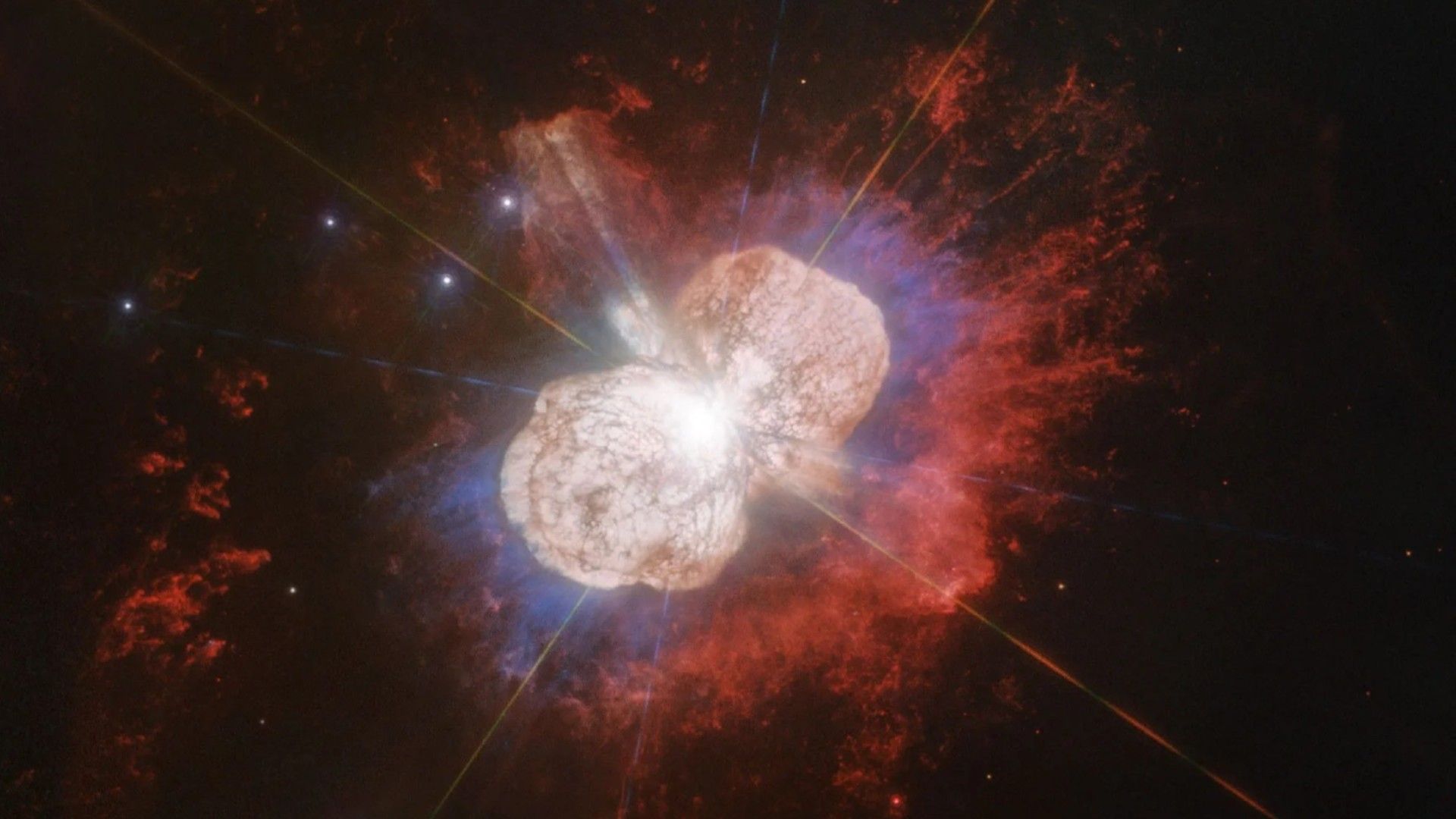
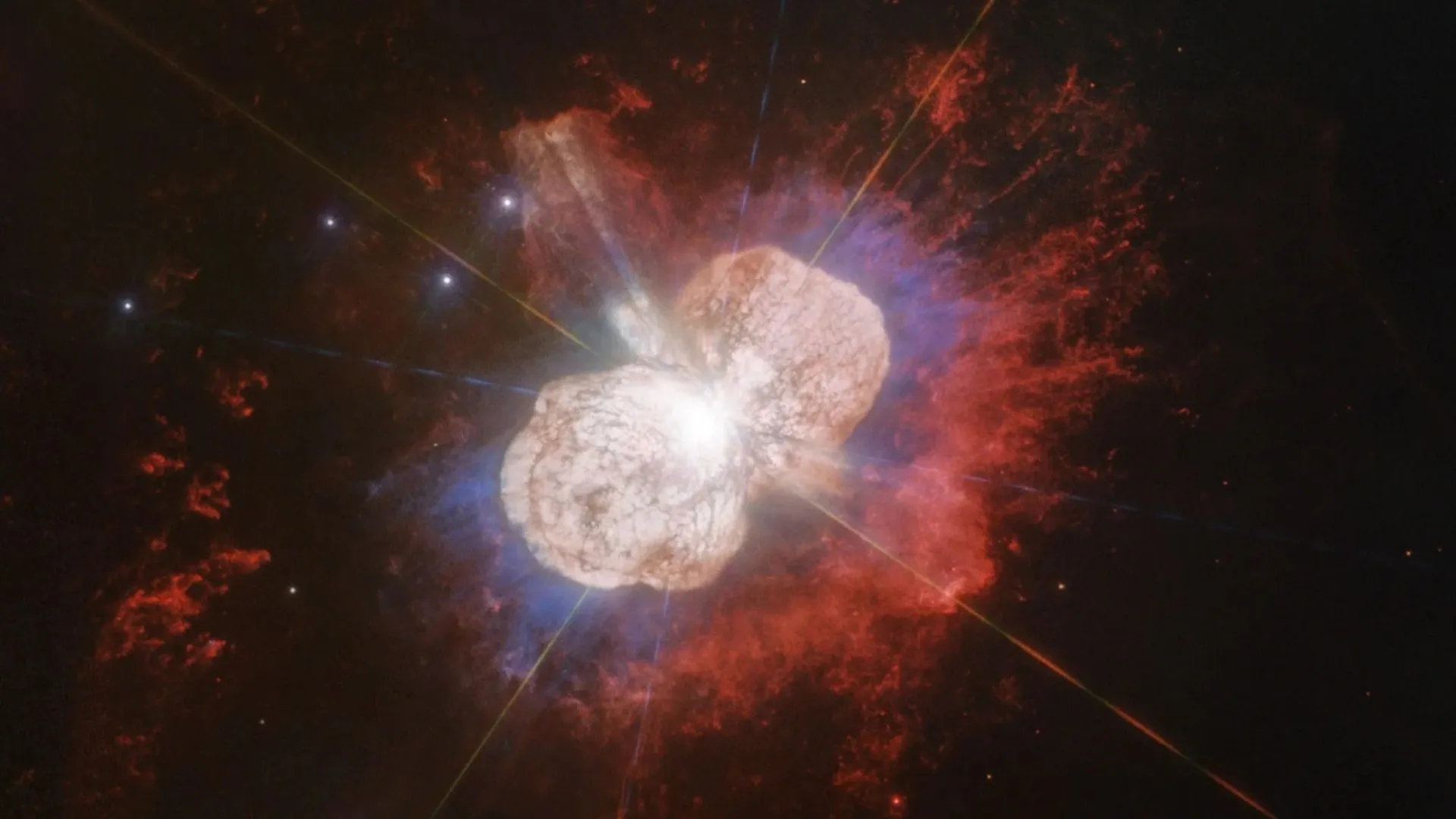
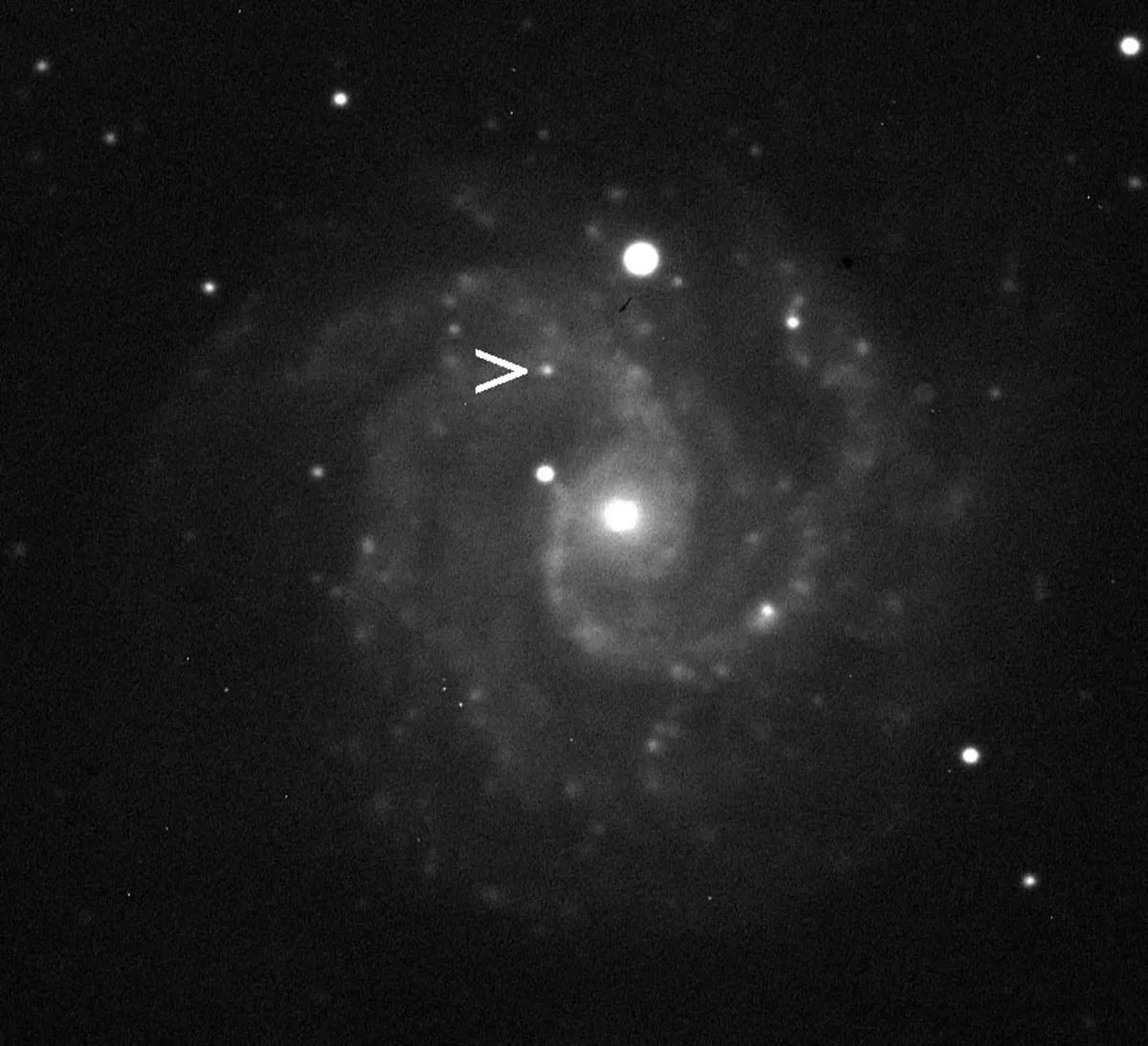
Historical records do show that about 170 years ago, the star Eta Carinae underwent an unusual outburst that made it one of the brightest stars in the southern sky. But it wasn't a supernova, it was a "supernova impostor." (Image credit: NASA, ESA, Hubble; Processing & License: Judy Schmidt) Staring up at the night sky, you might envision a star flaring up, burning thousands of times brighter than usual. That's a cosmic explosion — a supernova! Except it isn't. The star lives on. These violent, non-fatal eruptions can make a star mimic a true supernova — leading to what we affectionately call "supernova impostors." Trying to understand these supernova impostors is like trying to weigh a raging volcano's output without getting too close. We know it's important, but measuring how much material these stars eject, and what makes them do it, is surprisingly hard. Current ways of measuring mass loss from, say, infrared or radio observations, typically only show us what's happening right now.…