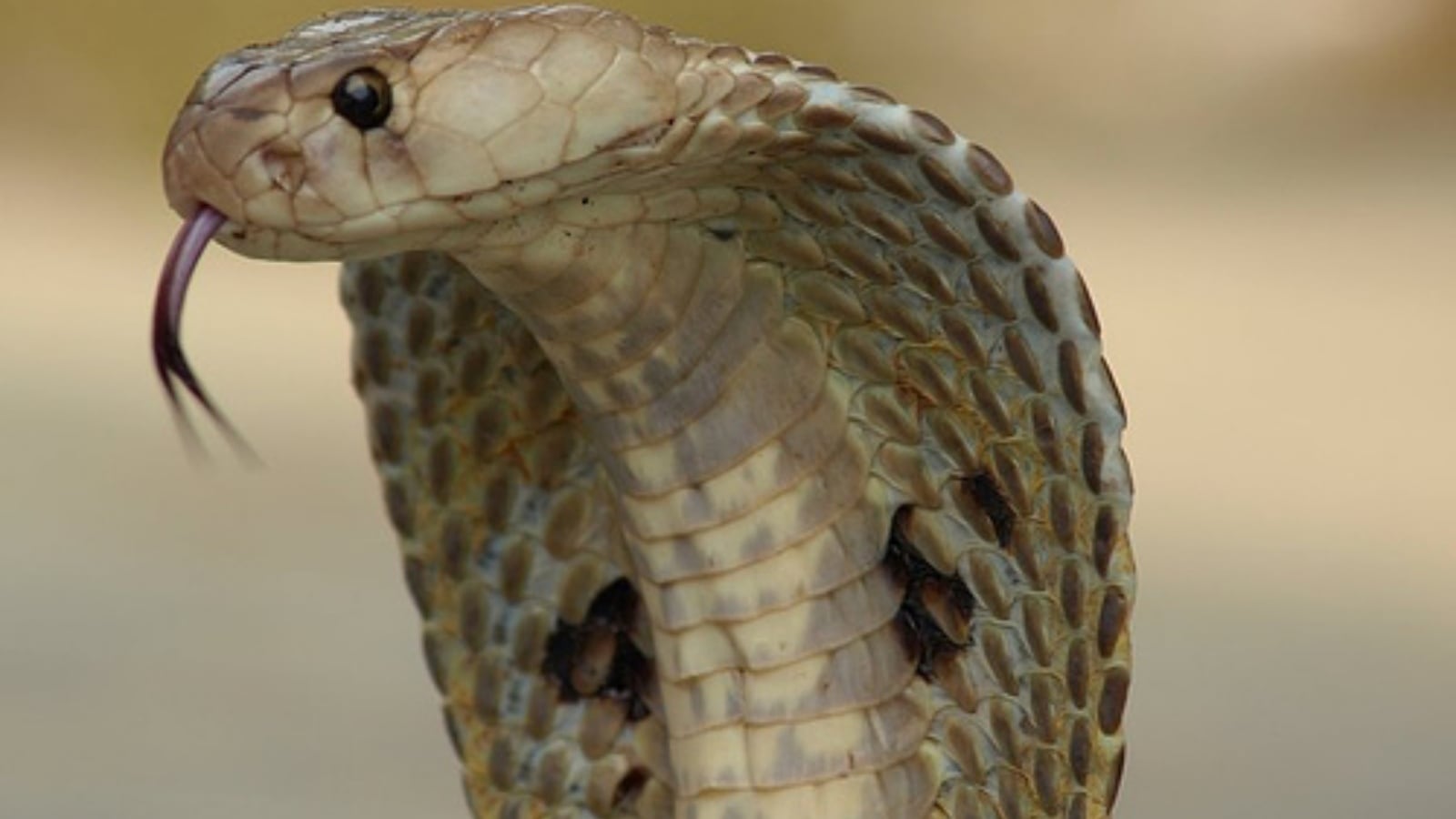
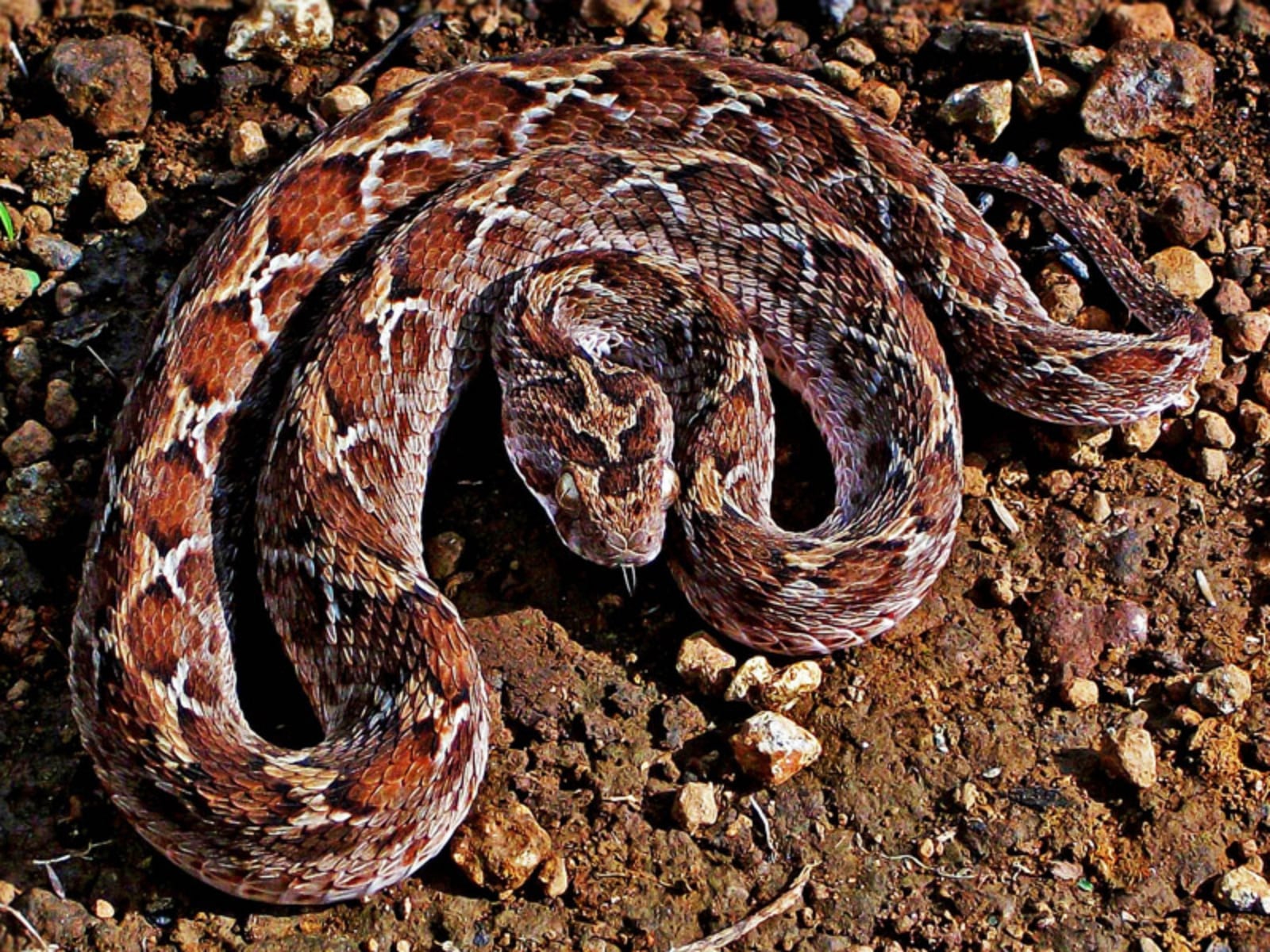
India’s diverse ecosystems, from dense forests to farmlands, are home to a wide variety of snake species, many of which are highly venomous and potentially dangerous to humans. Each year, snakebites remain a significant public health concern, particularly in rural areas where human-snake encounters are more frequent. Yet, most snakes are non-aggressive and play a vital role in maintaining ecological balance by controlling pests. Understanding which species pose the greatest risk, how their venom works, and where they are commonly found can help reduce fear, improve response, and ultimately save lives through awareness and timely medical care. 1. Indian Cobra One of India’s “Big Four,” the Indian cobra is easily recognised by its hood. Its neurotoxic venom affects the nervous system, potentially leading to paralysis and respiratory failure. 2. Common Krait Highly venomous and often found near human settlements, the common krait is responsible for many nocturnal bites.…