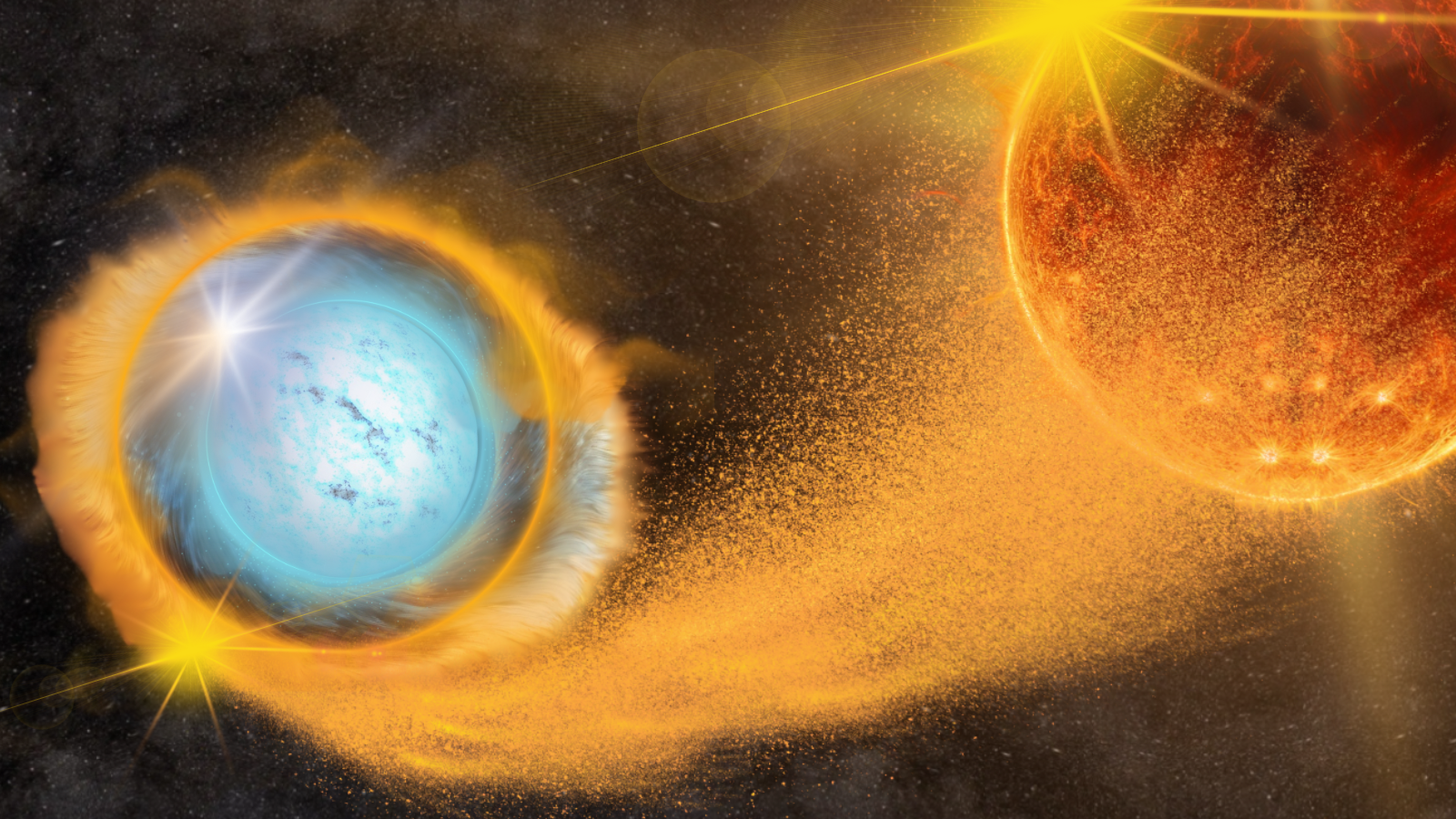
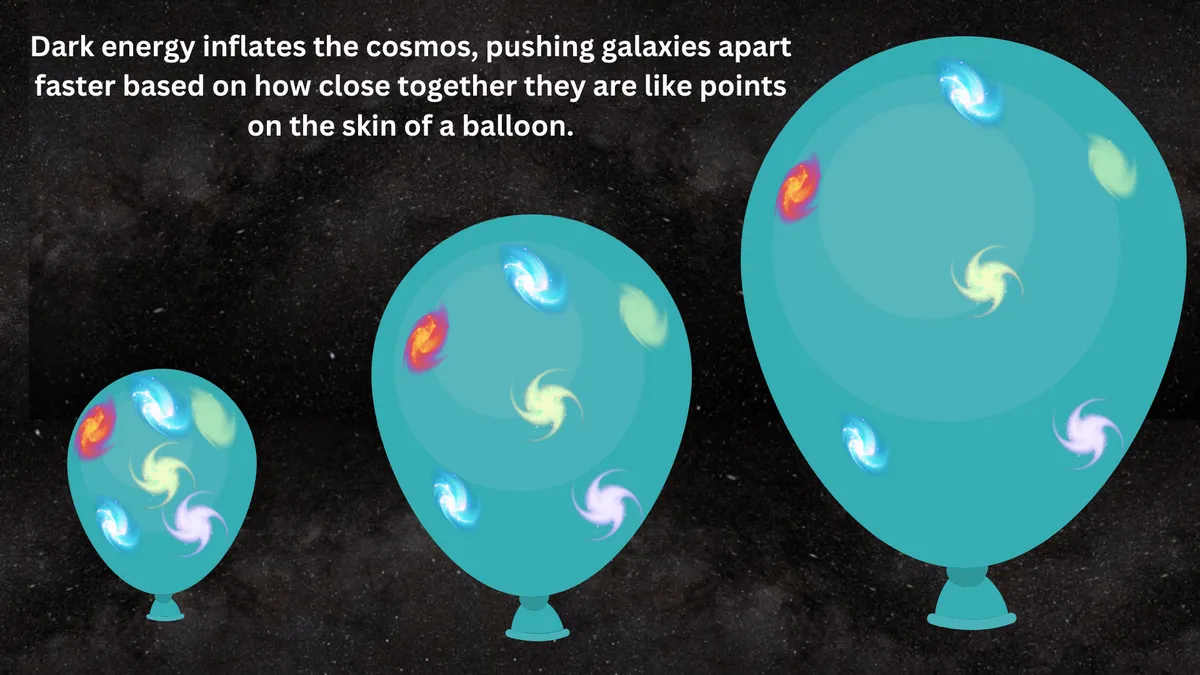
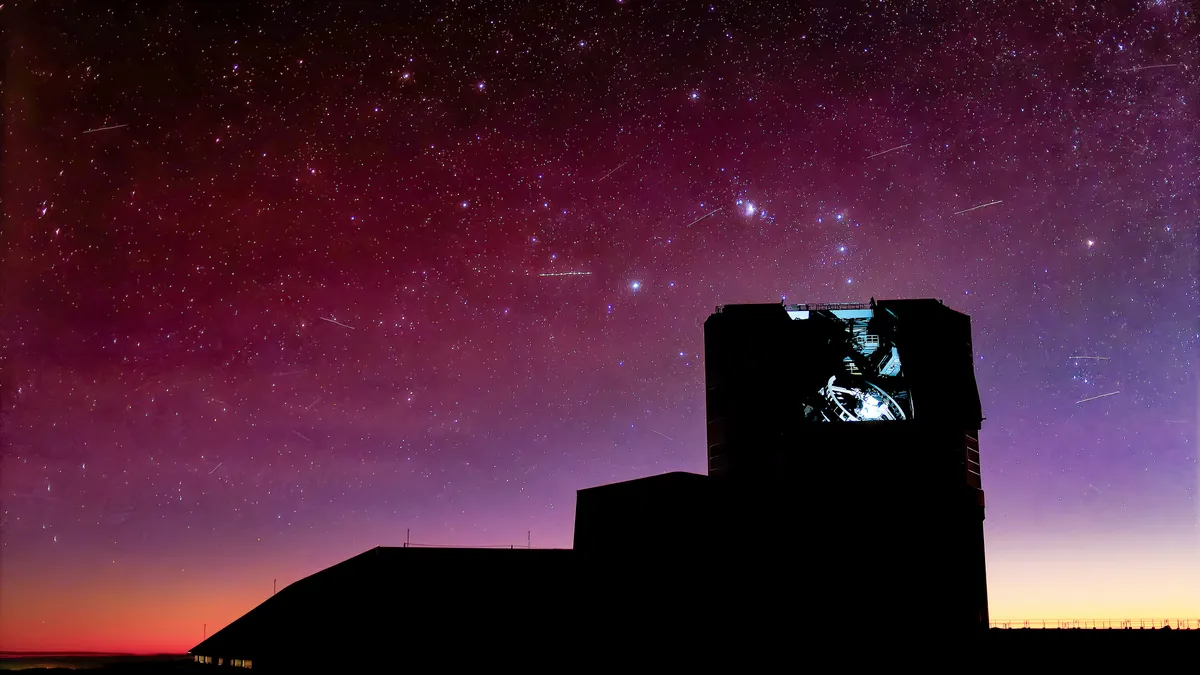
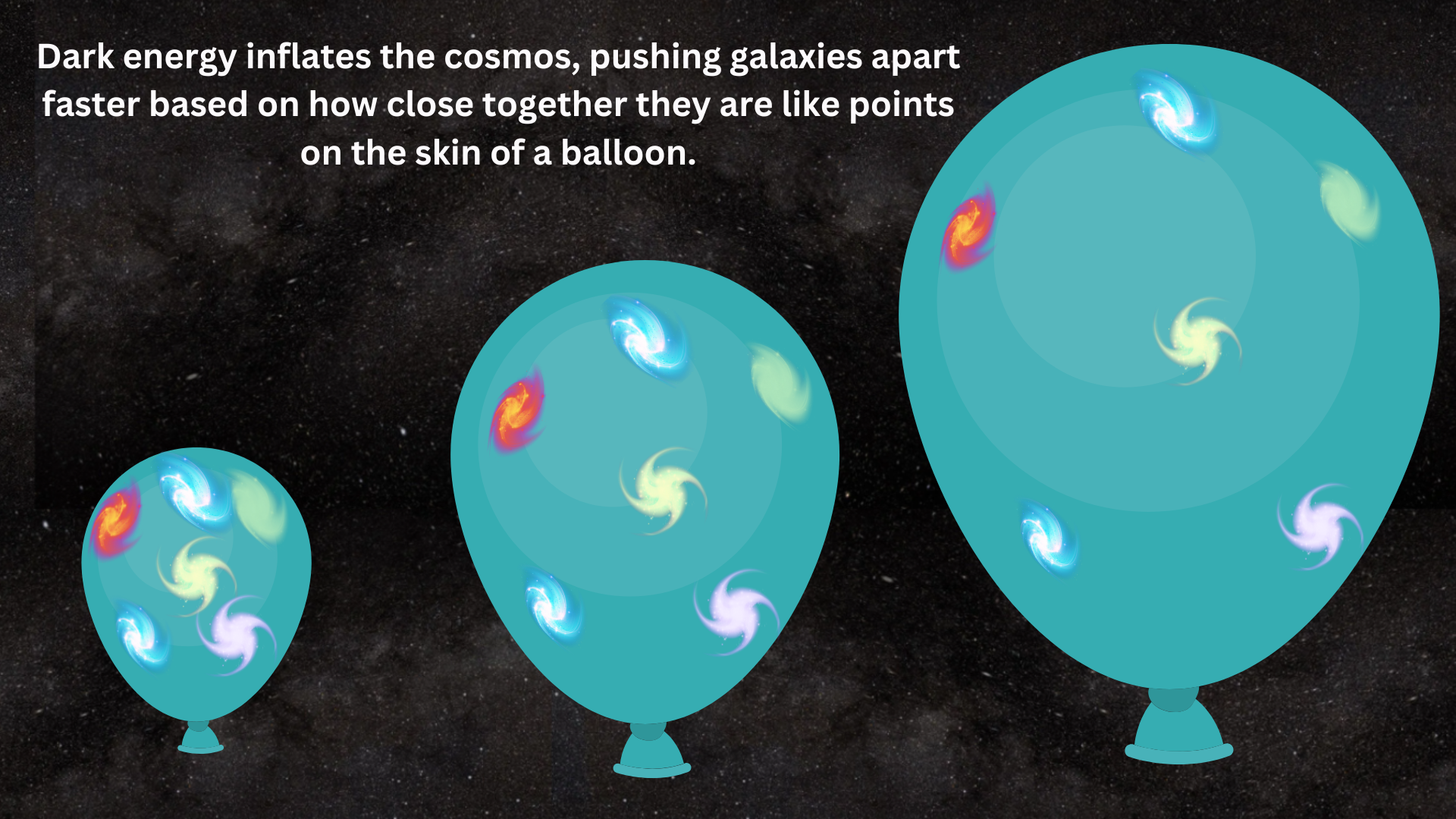
An illustration of a white dwarf star feeding on a stellar companion prior to a Type 1a supernova. (Image credit: Robert Lea (created with Canva)) Using artificial intelligence and data from the groundbreaking Vera C. Rubin Observatory, scientists are reconsidering our knowledge of "standard candles" in the cosmos. These are objects that result from explosions provoked by dead stars that act like cannibals — and they help us measure distances across the universe. These standard candles are also called Type 1a supernovas , and their distance-measuring role is integral to measuring the rate at which the universe is expanding. This means they're also integral in our understanding of how this expansion is accelerating due to the effect of dark energy , the mysterious force helping to push our cosmos apart in every direction. The research team's approach to looking at these Type 1a supernovas involves what's known as a combined inference and galaxy-related standardization, or CIGaRS, framework.…