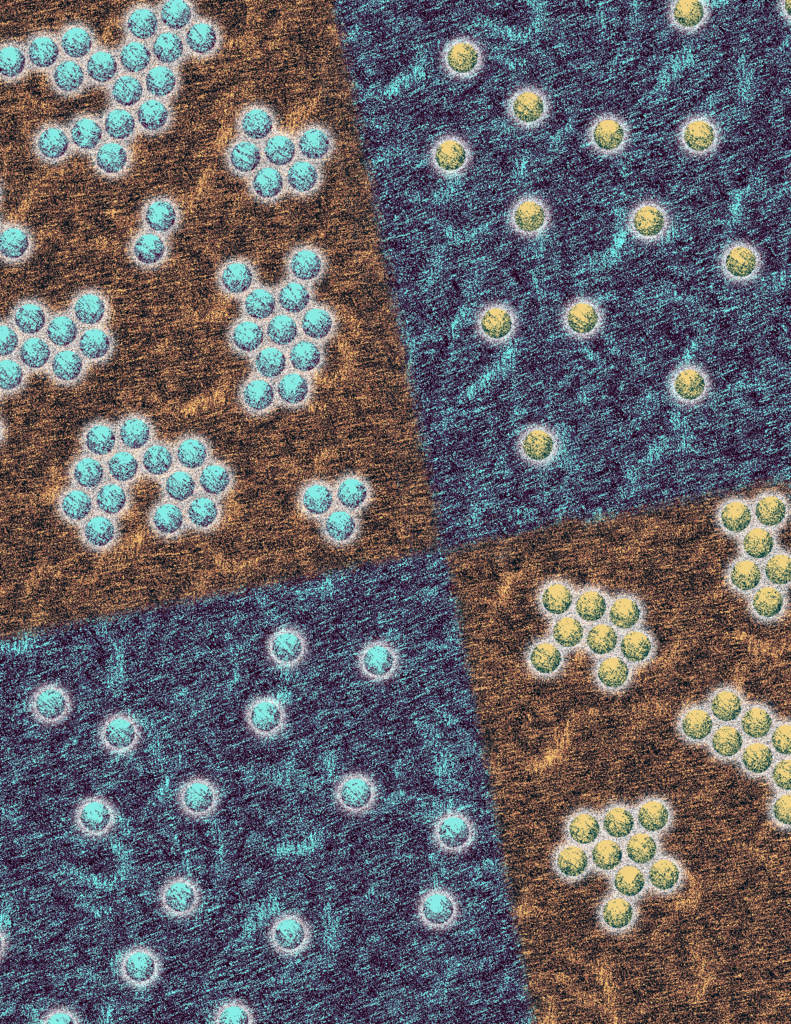
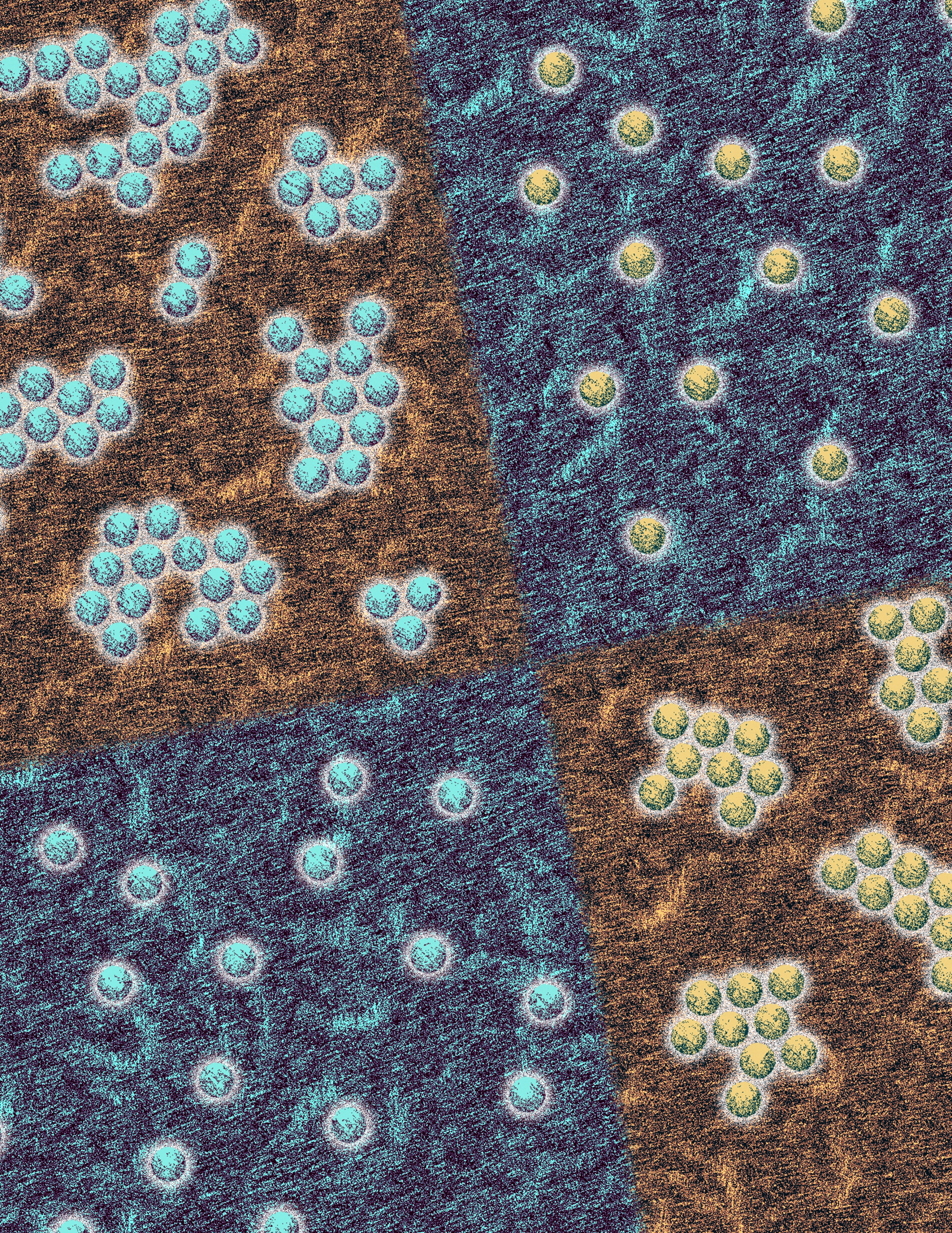
Direct measurements show that electrosolvation forces can bring particles together and holds them in long-lived bound states Artistic image of solvent dependent cluster formation (Courtesy: Krishnan/University of Oxford) A fundamental theory in electrostatics is that two particles with the same charge will repel and two particles with opposite charge will attract. This idea is built into most models that describe how particles behave in liquids. Yet over the past several decades, experiments have revealed that like charged particles can attract each other in solution, forming clusters that standard theories cannot explain. In this work, researchers explore this unusual phenomenon and find that the attraction between like ‑ charged particles is strong, long ‑ ranged, and sensitive to the particles’ surface chemistry and size. Using optical imaging, they directly observed how pairs of charged microscopic spheres interact in different liquids with high precision.…