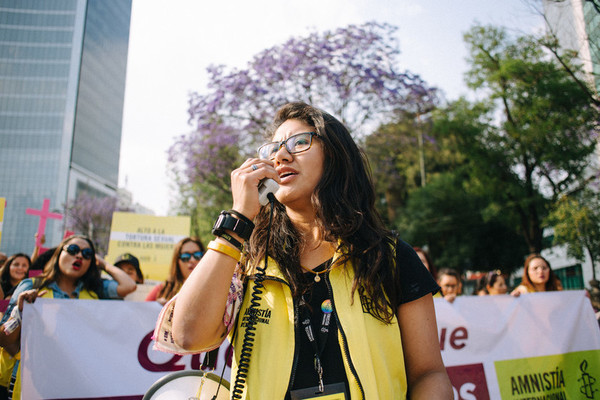
Imagine this scenario …. Imagine waking up one day to find that certain topics can no longer be discussed openly. Schools avoid difficult conversations. Journalists tread more carefully. Your news feed shows fewer critical voices. Public spaces feel less safe for protest or dissent. Nothing dramatic happened overnight! There are no obvious turning points, just a gradual shift. Yet over time, the space for dialogue, disagreement, and public participation has narrowed. You may have heard the term authoritarian practices in the news, in history lessons, or in conversations. But what does it really mean? What is considered an authoritarian practice, and what falls outside of it? What do they actually look like in everyday life for ordinary people like you and me? How can we spot and resist these practices that seriously undermine human rights? Would you notice?…