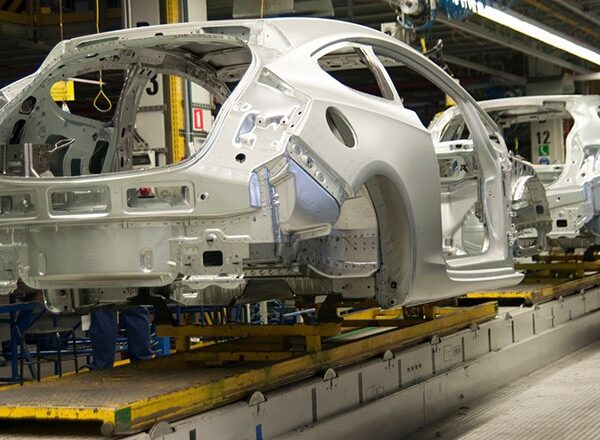
The auto industry has occupied an almost mythical place in the American mind. From the time Henry Ford created the first Model T in 1908 and the first moving assembly line, cars were suddenly affordable for the middle class. That transformed not just transportation but the urban — and suburban — landscape. And like no other industry except housing, at least until recently, carmakers were a perennial key driver of the U.S. economy. In what has become almost a cliché, Charles Wilson, the former CEO of General Motors and U.S. Defense Secretary just after World War II, was asked how he might handle a decision involving a conflict between U.S. and GM interests. He could not imagine a conflict: “For years I thought what was good for our country was good for General Motors, and vice versa.” By 2009, in the depths of the financial crisis, that bond had disintegrated.…