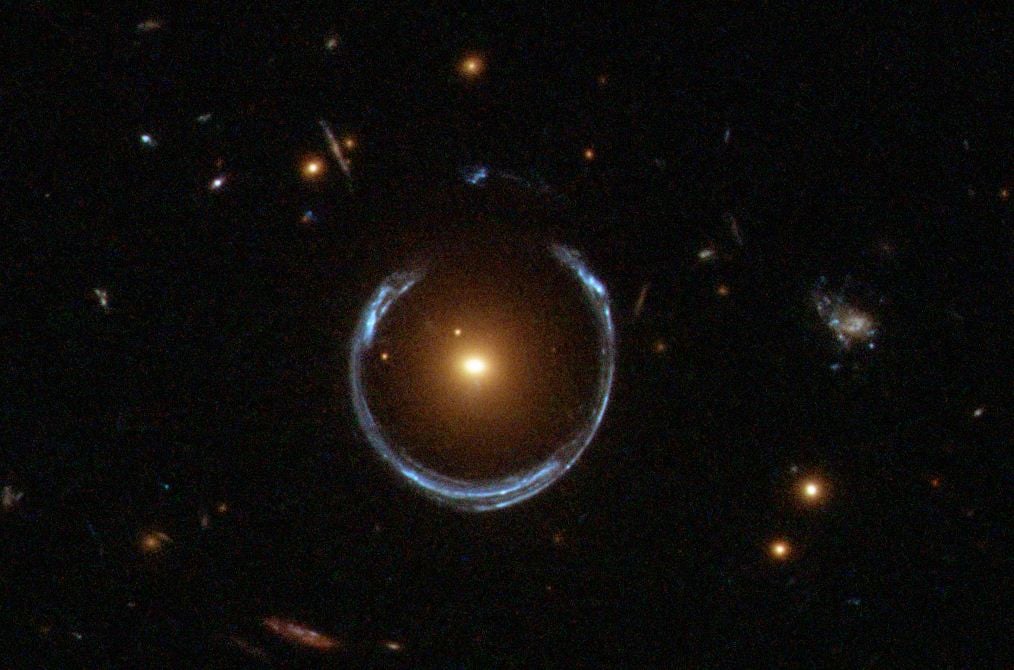
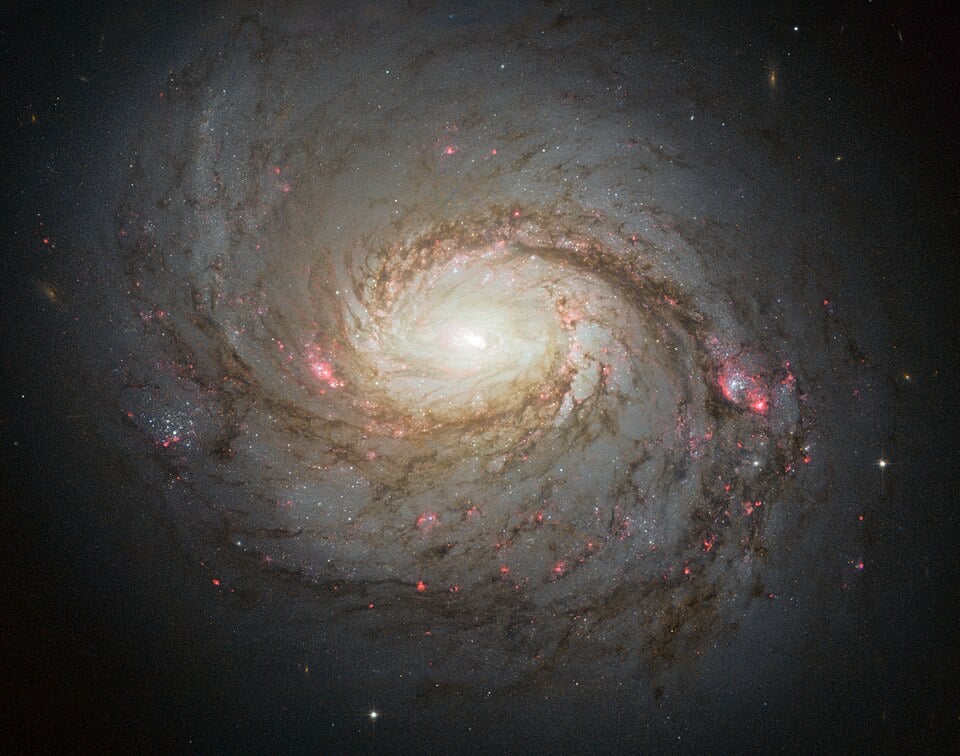
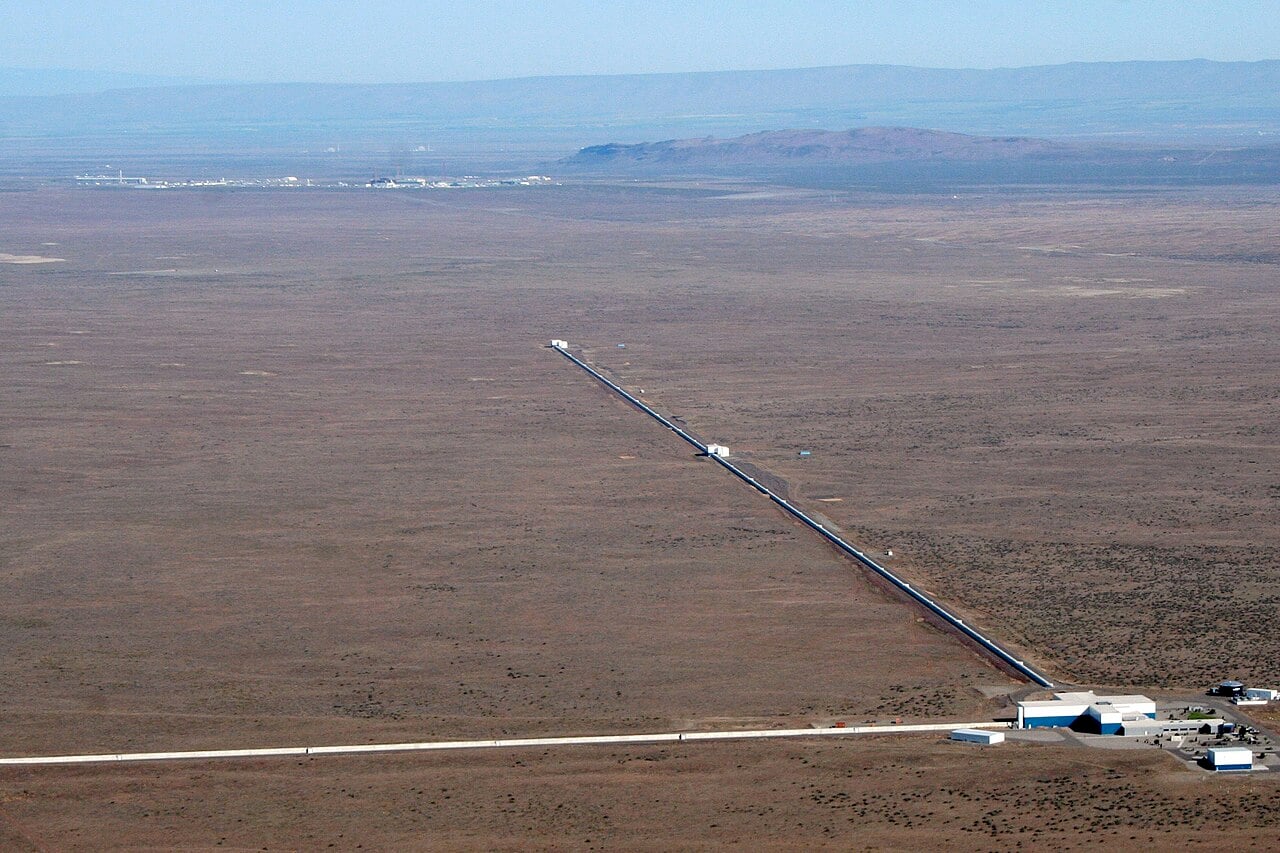
Dark matter is everywhere. It accounts for the vast majority of matter in the universe, yet it has no interaction with light, magnetism, or any other force along the electromagnetic spectrum. It passes through everything, through planets, through stars and even through you without leaving a trace. One of the only ways we know it exists at all is through the way it bends space around distant galaxies, adding extra pull that ordinary matter alone cannot explain. Finding direct evidence of dark matter has been one of the great unsolved challenges of modern physics. Now a team led by MIT postdoctoral physicist Josu Aurrekoetxea has proposed a new and unexpected way to look for it, not by building detectors on Earth, but by reading the gravitational waves that arrive from black hole mergers across the universe. The rotation rate of spiral galaxies (such as M77 captured here) is just one of the ways that dark matter reveals itself (Credit : NASA/ESA) The idea hinges on a remarkable phenomenon called superradiance.…