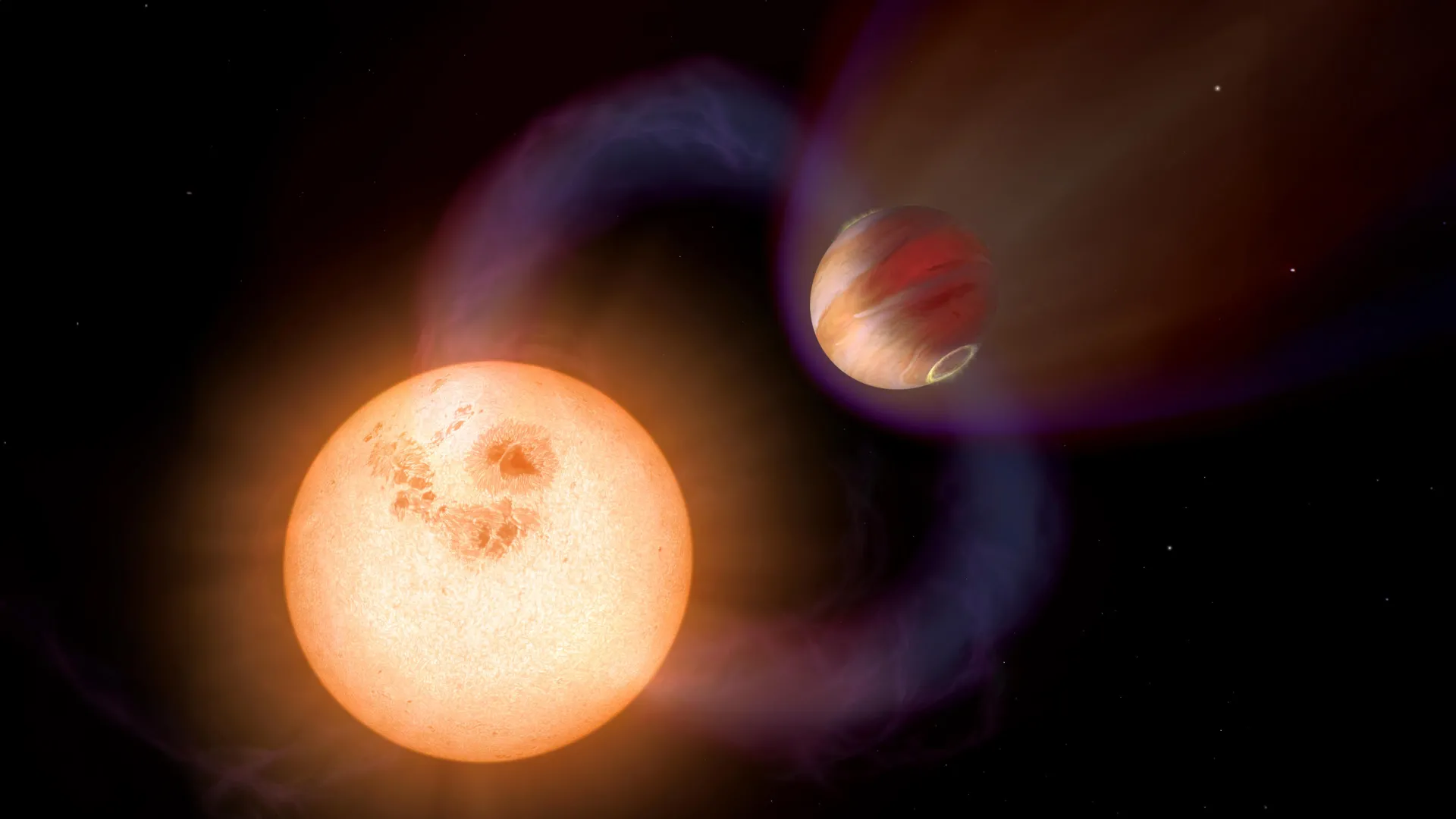
Astronomers at the University of Warwick have confirmed more than 100 exoplanets, including 31 newly identified worlds, using a new artificial intelligence system. The team applied this tool to data from NASA's Transiting Exoplanet Survey Satellite (TESS), a mission that scans the sky for slight dips in starlight that occur when a planet crosses in front of its host star. Their findings, published in MNRAS , are based on a detailed analysis of observations from more than 2.2 million stars gathered during TESS's first four years. The researchers focused on planets that orbit very close to their stars, completing a full orbit in less than 16 days. This approach has produced one of the most precise measurements yet of how common these short-period planets are. "Using our newly developed RAVEN pipeline, we were able to validate 118 new planets, and over 2,000 high-quality planet candidates, nearly 1,000 of them entirely new," said first author Dr.…