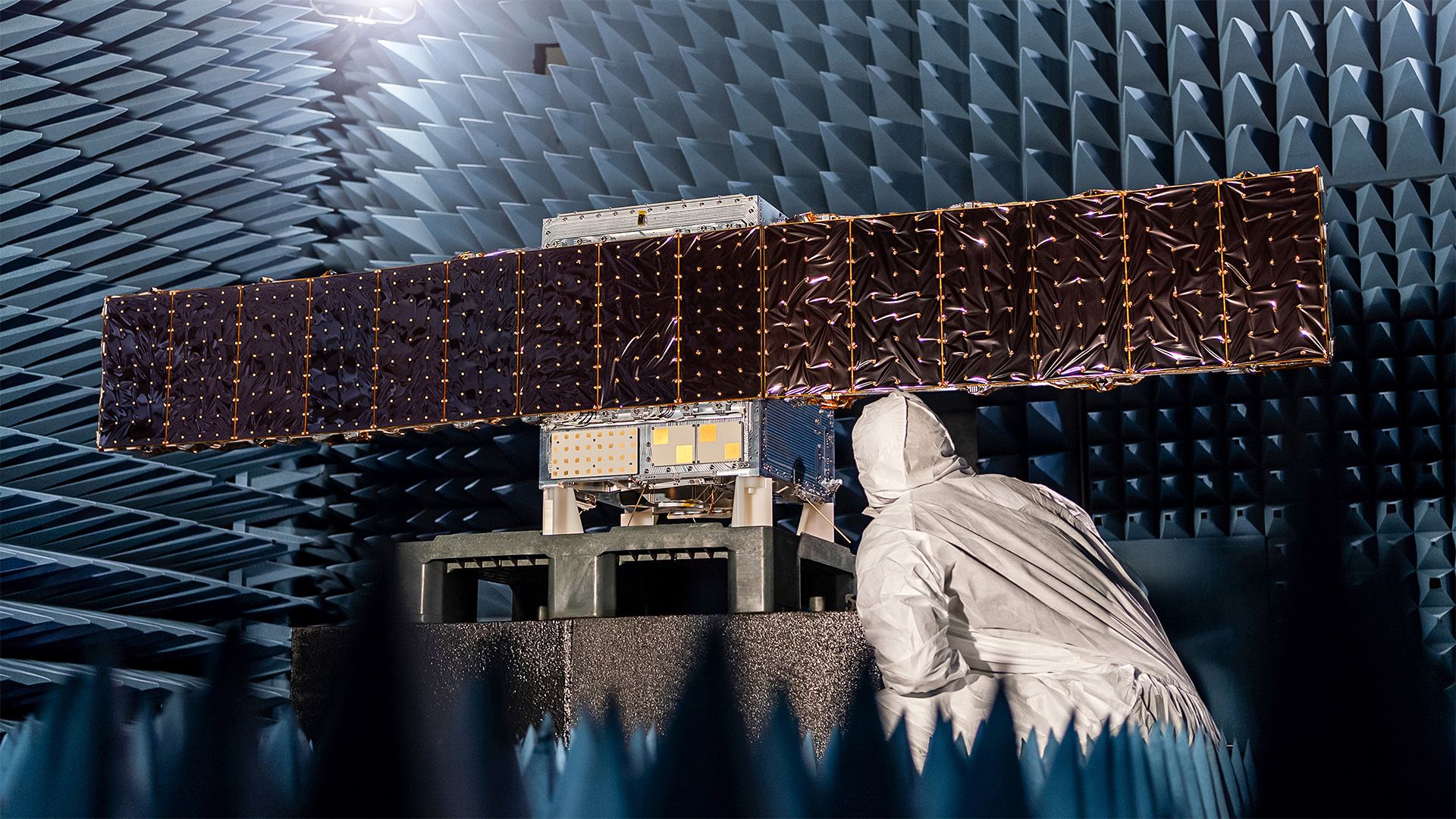
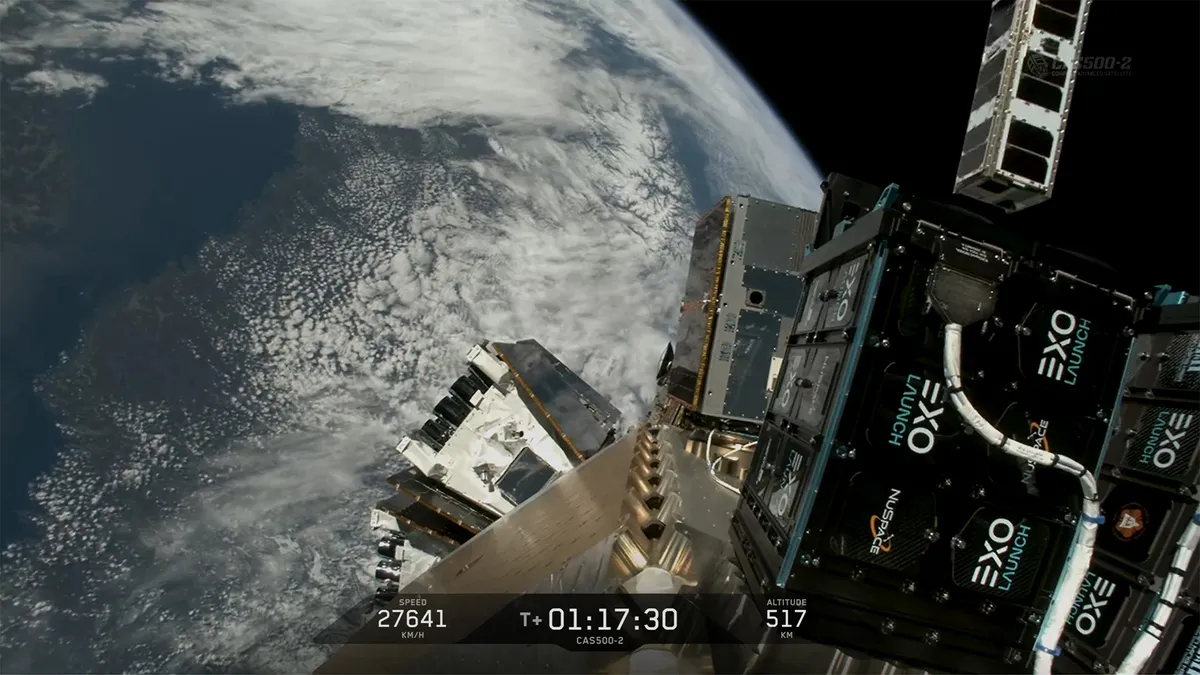
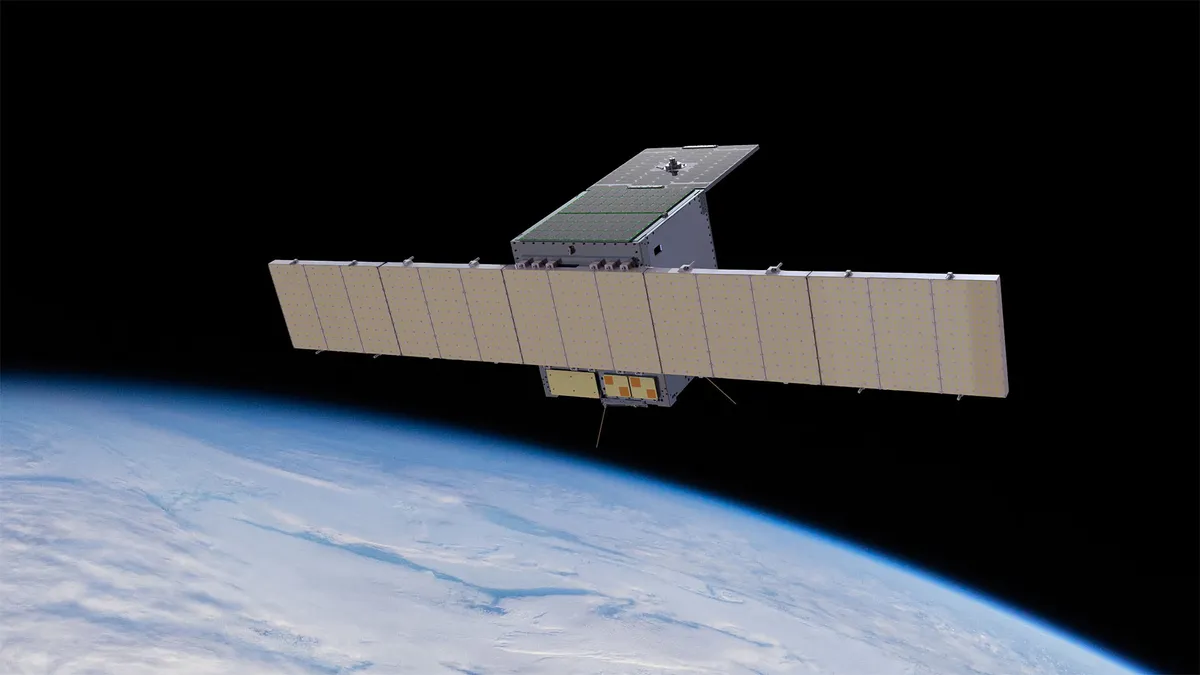
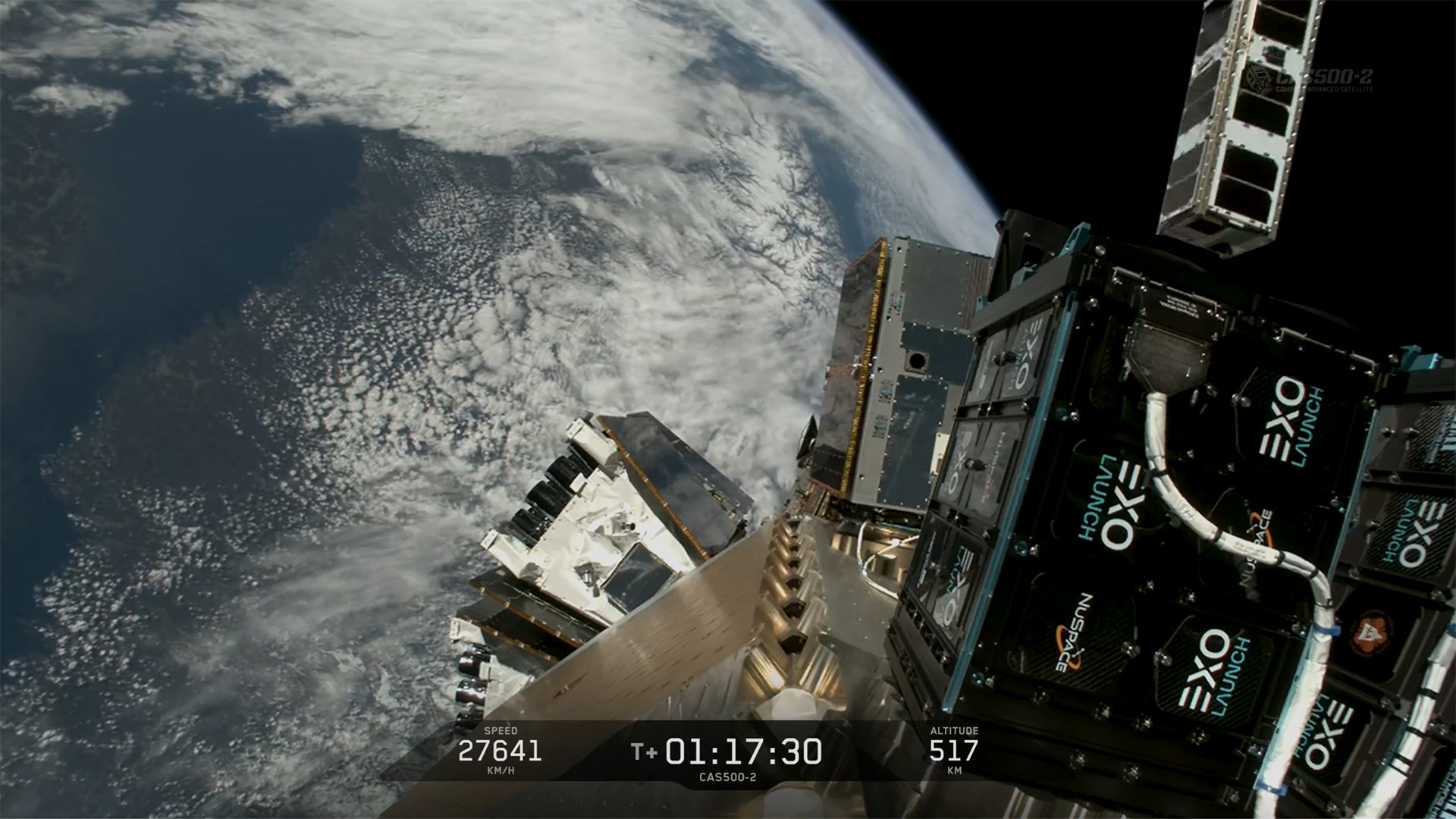
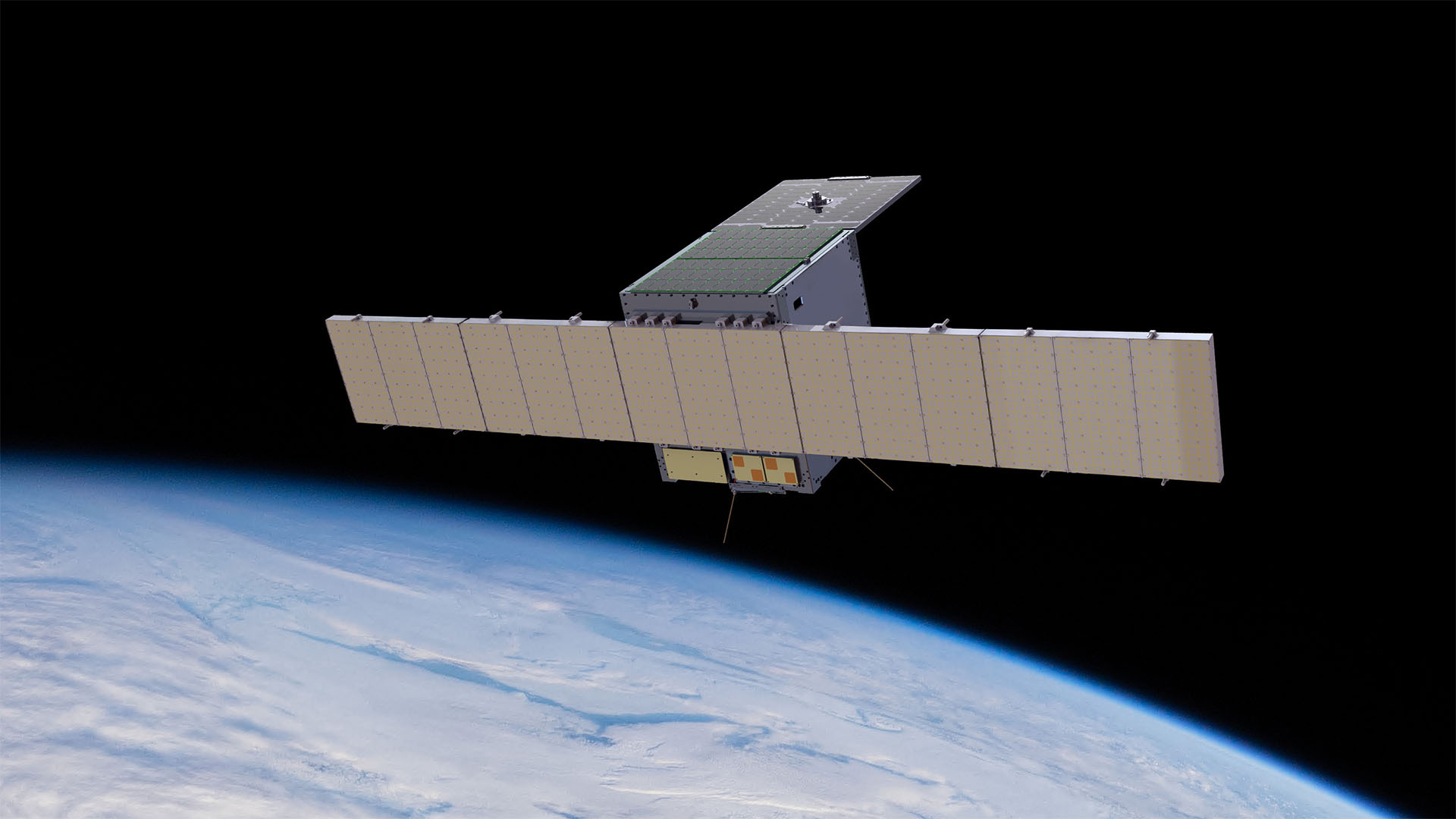
(Image credit: Kongsberg/NanoAvionics) The world's first space-based neutrino detector launched to space last week to study elusive neutrino particles that constantly bombard Earth. The mission will test technology that could help researchers in the future to unravel hidden processes taking place deep inside the sun. The detector, made of crystals of gallium and tungsten, is embedded in a 3U cubesat (about 12 inches long and 4 inches wide, an equivalent to 30 and 10 centimeters), which will orbit the planet at the altitude of 310 miles (500 kilometers) for about two years. The small instrument rode to orbit on the SpaceX CAS500-2 rideshare mission on May 3. Neutrinos are near massless particles that emerge during natural nuclear decay, in nuclear fission reactions such as those taking place in nuclear reactors, and in nuclear fusion processes inside stars. Despite being the most abundant particles in the universe (tens of trillions of neutrinos pass through your body every second, according to the U.S.…