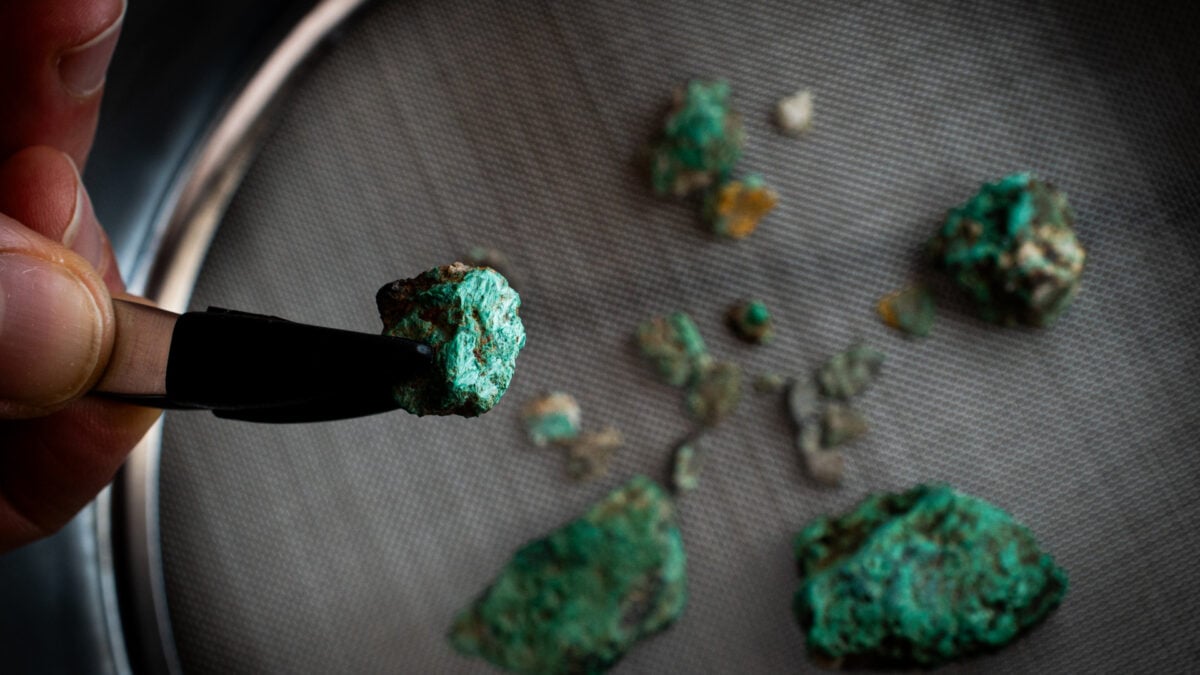
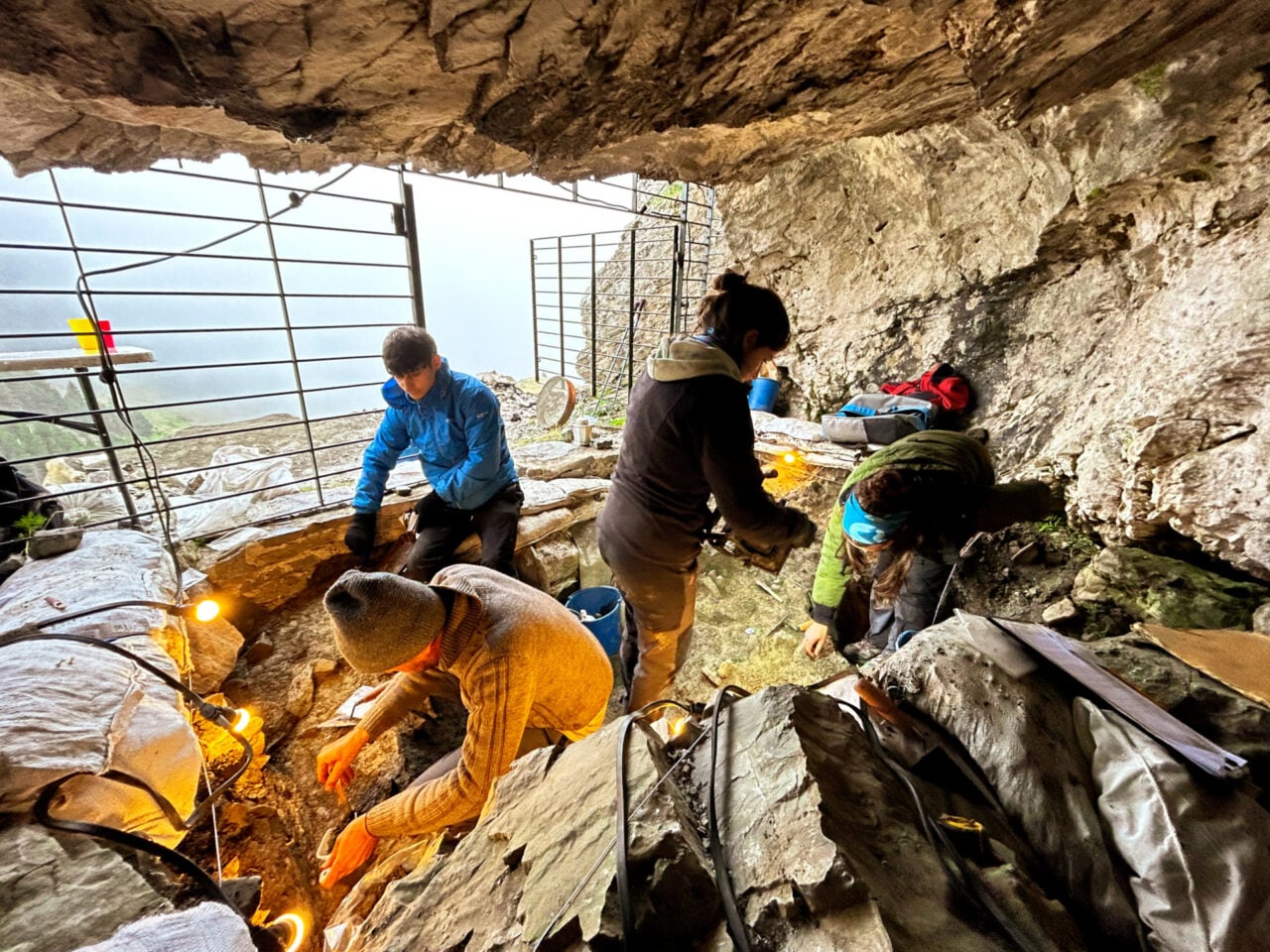
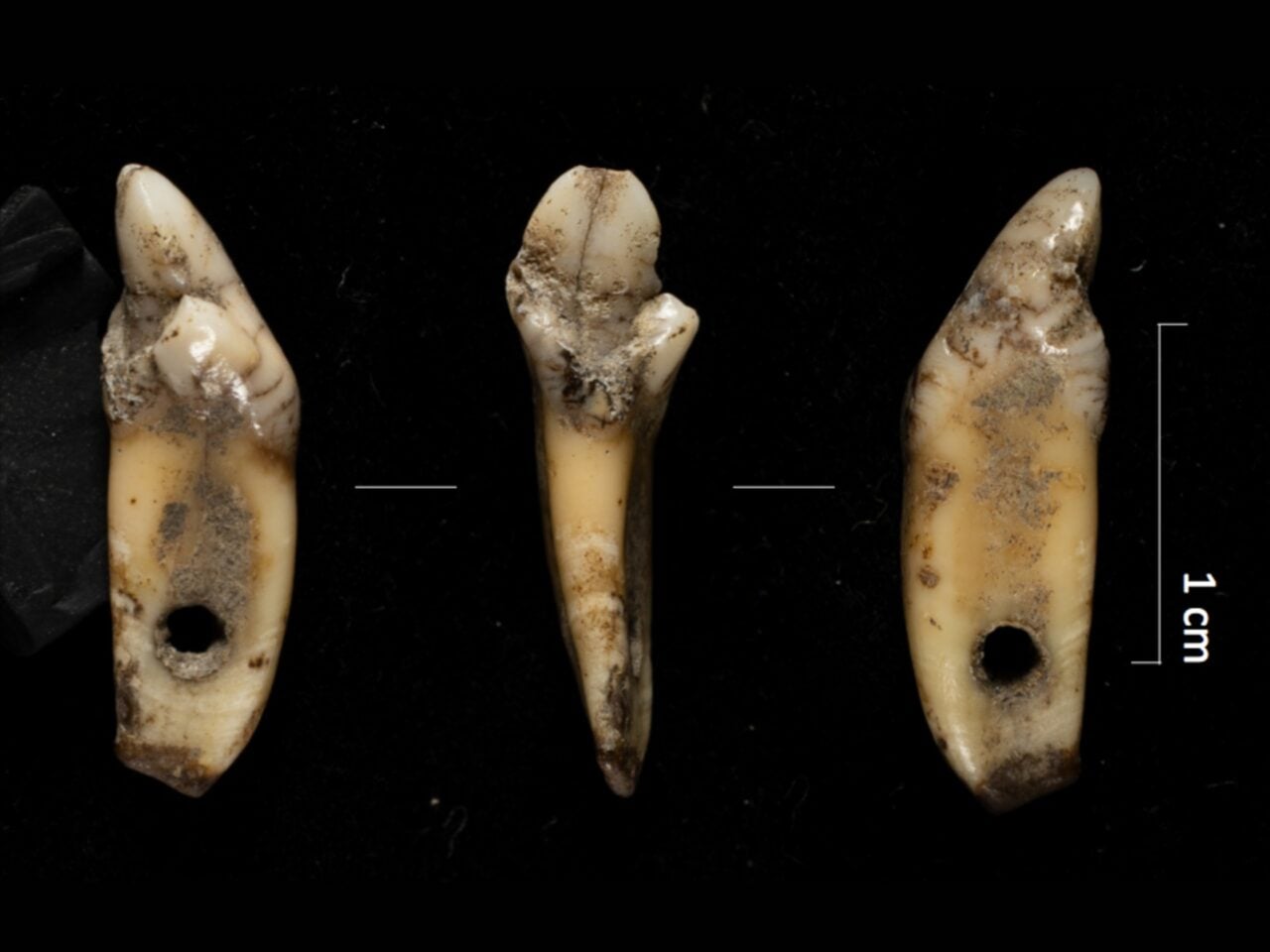
The plainly named “Cave 338” lies around 7,332 feet (2,235 meters) above sea level in the Pyrenees mountain range in southwestern Europe. Today, the cave looks crusty and abandoned. But 5,500 years ago, as a new study suggests, this was home to humanity’s earliest copper mines. The first sign of human activity was green rocks, according to the study, published yesterday in Frontiers in Environmental Archaeology . Specifically, researchers excavated batches of crushed, burnt green mineral fragments resembling malachite, which can be treated to produce copper. In addition, they found hearths, children’s bones, and jewelry that pointed to an active and sustained human presence at Cave 338. As scientists generally believed prehistoric people didn’t stay long at such high altitudes, the discovery complicates our understanding of how they lived.…