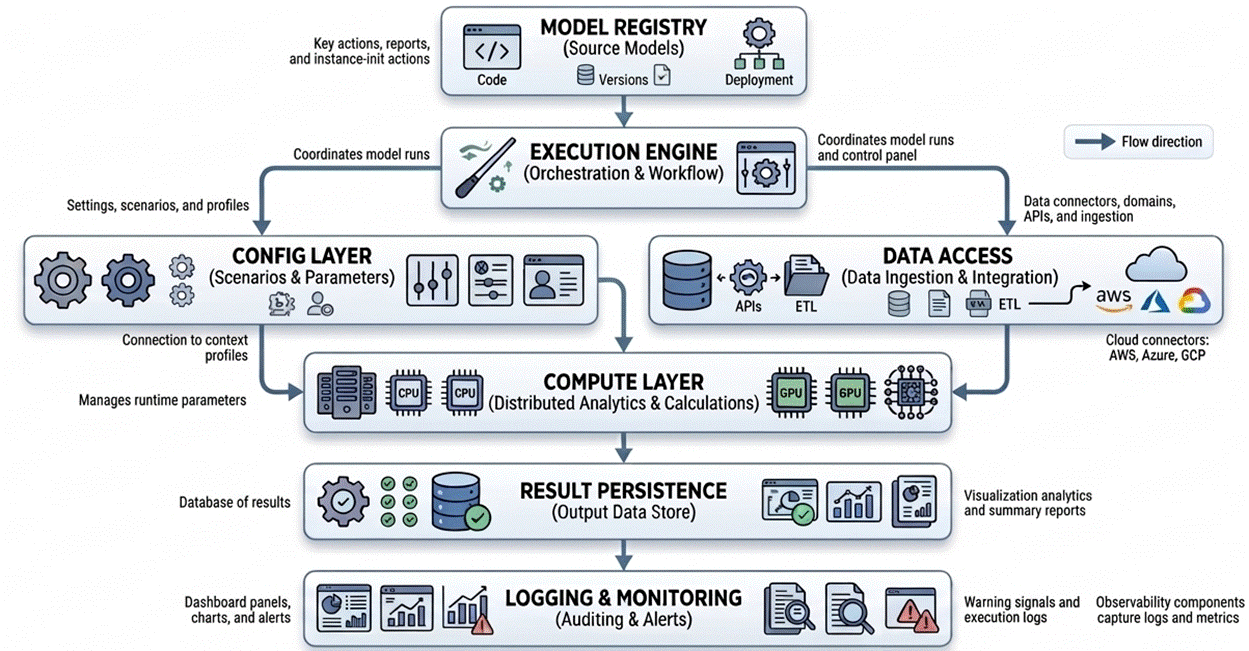
How to Build a Python-Based Model Execution Framework for Treasury Analytics I've seen plenty of analytics pipelines start the same way. A few Python scripts, a scheduled cron job, and possibly a manual notebook run when a report is required are the starting points. At first, everything worked fine. The models run, the outputs look correct, and the system feels simple enough to manage. But as more models get added, liquidity forecasts, stress testing, and risk simulations, the pipeline slowly turns into a fragile chain of scripts. One failure breaks everything downstream, debugging becomes painful, and reproducing historical results becomes nearly impossible. Eventually, a simple question arises: "Is it possible to rerun the model precisely as it performed last month?" And the honest answer is usually "not easily." The problem usually isn't the financial models themselves. It's the lack of proper execution infrastructure and controls around them.…