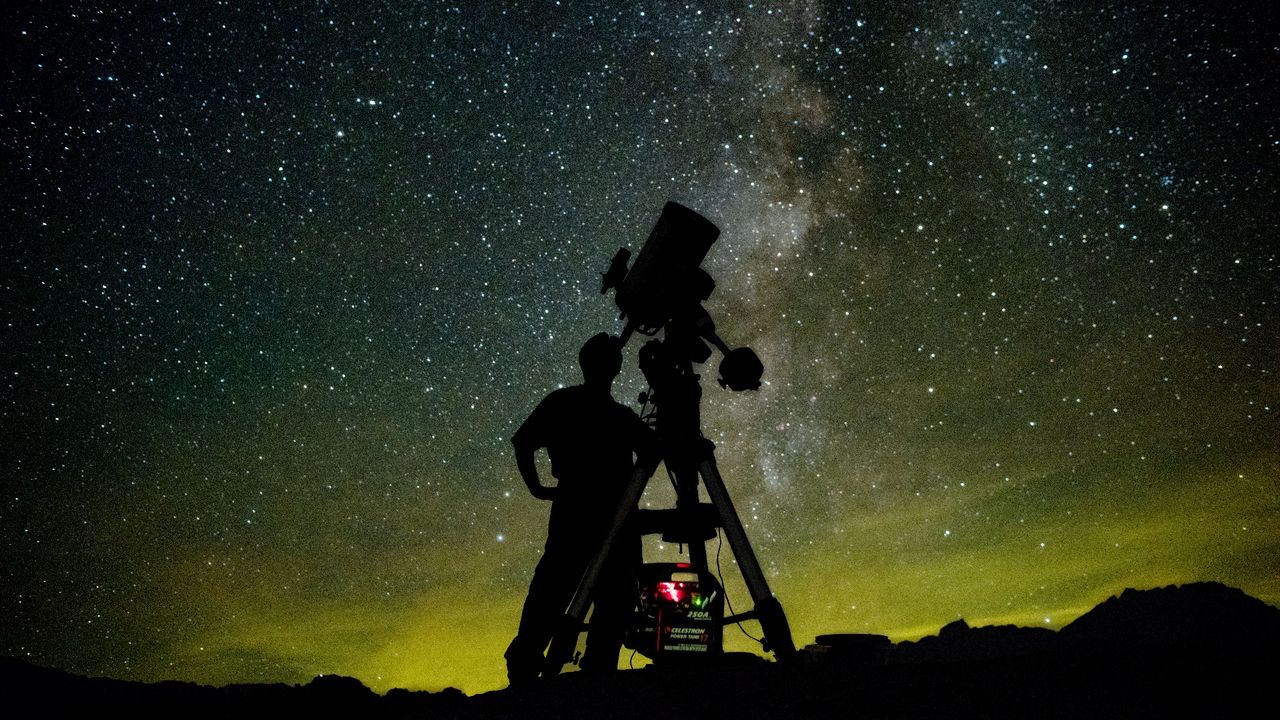
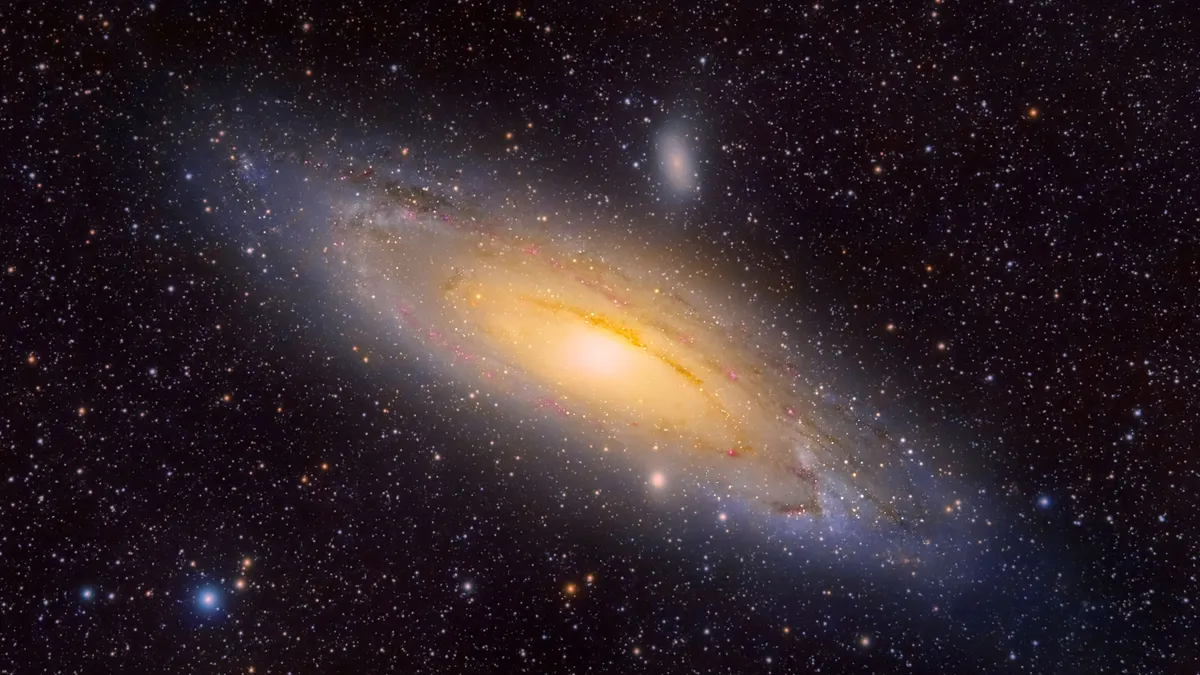
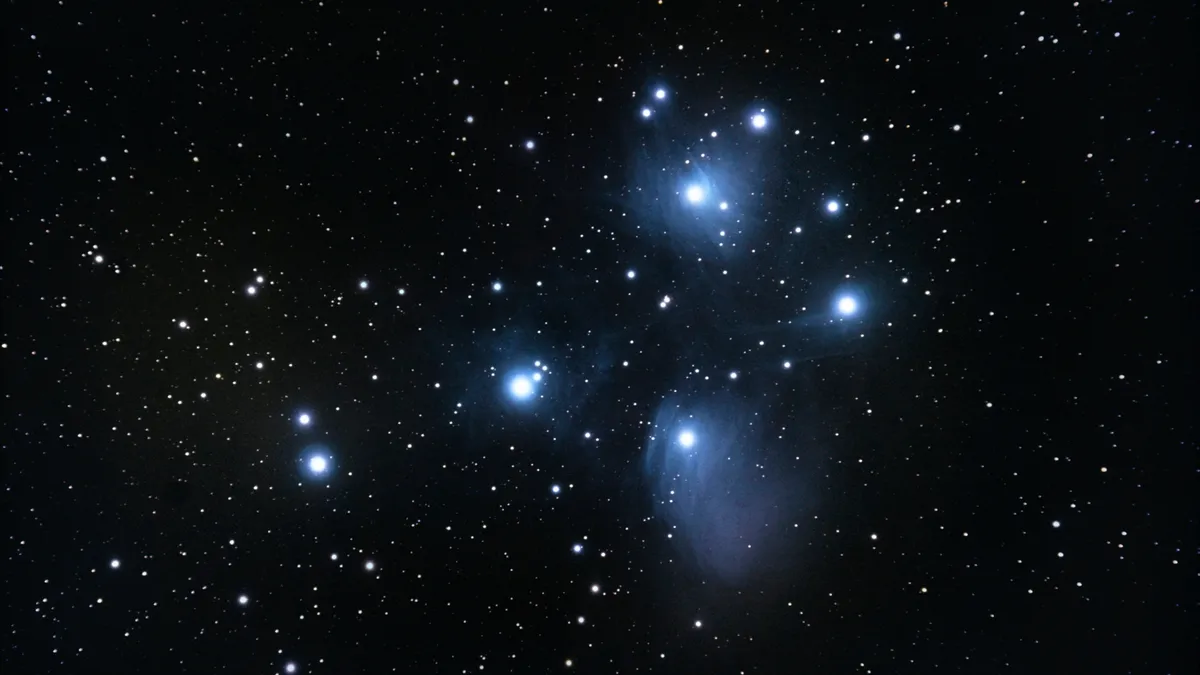
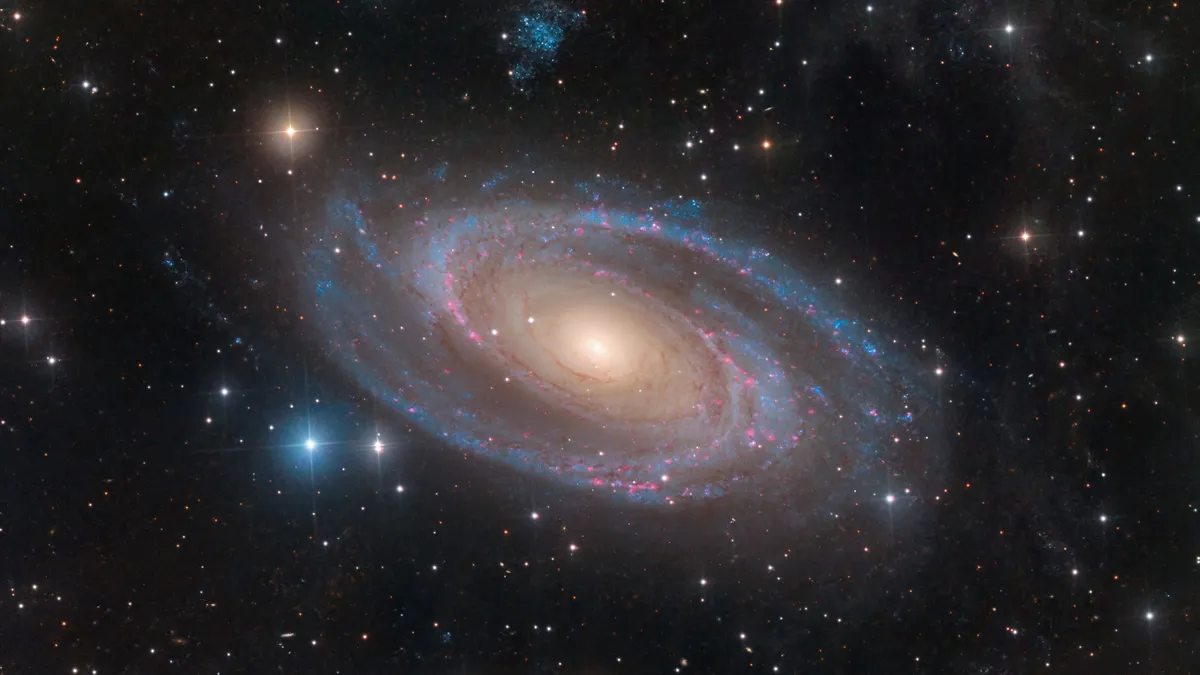
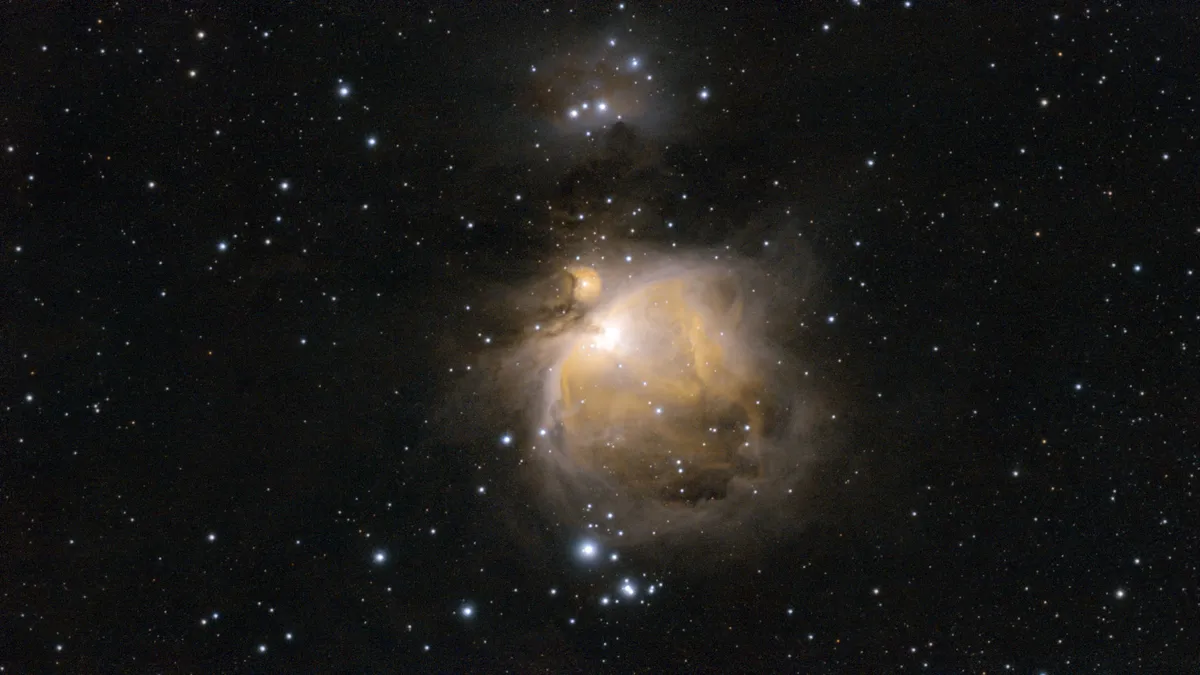
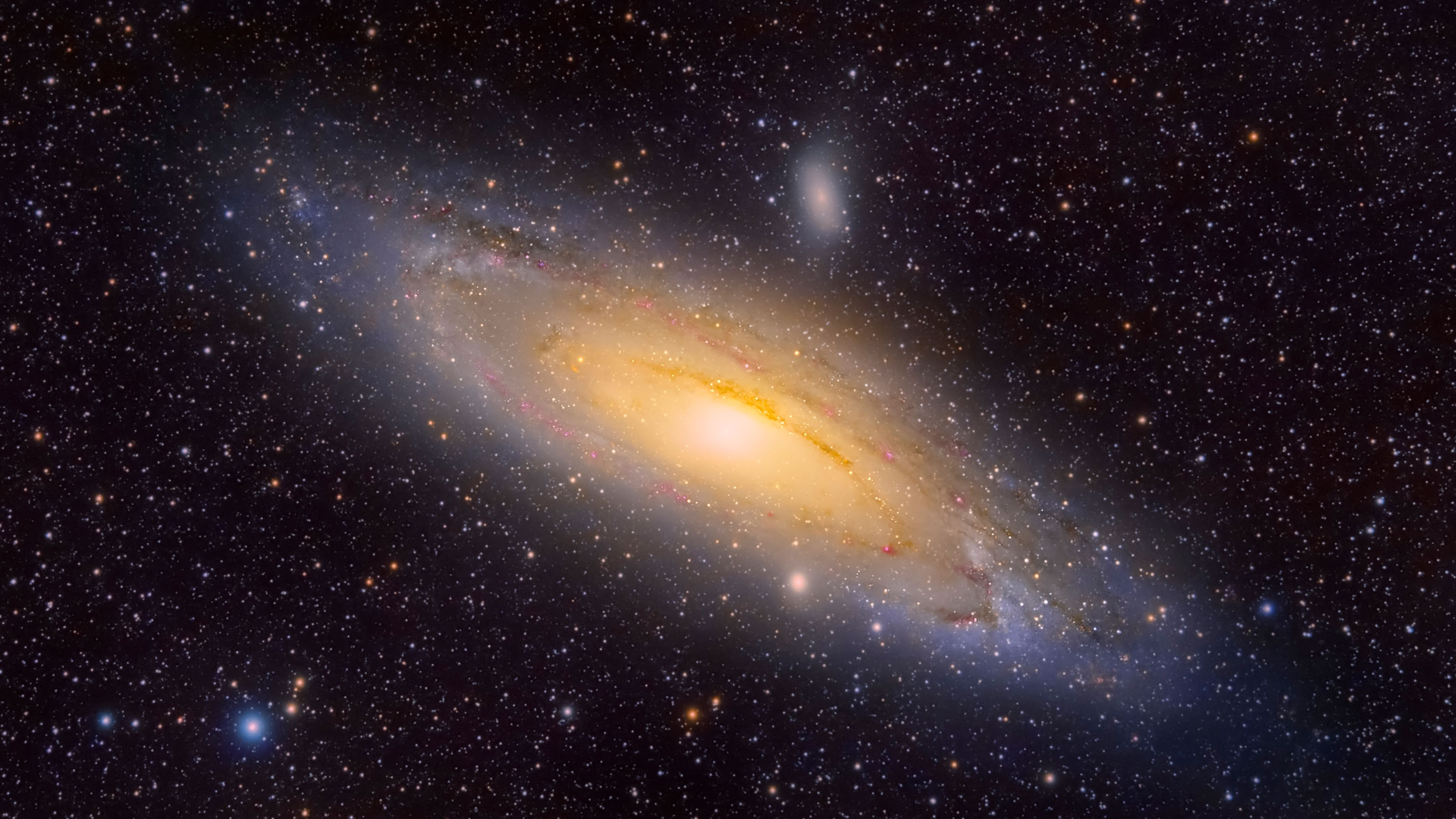
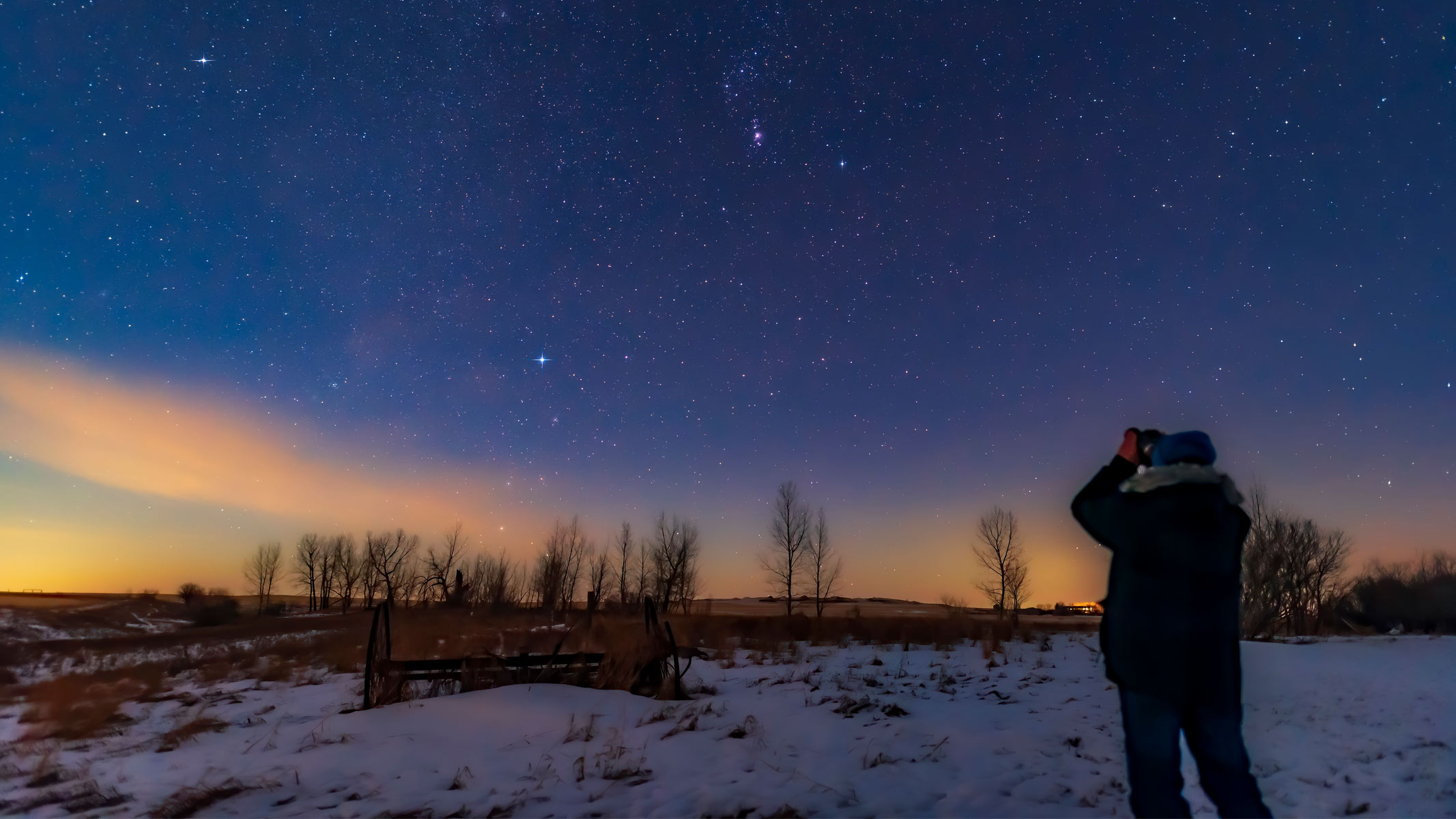
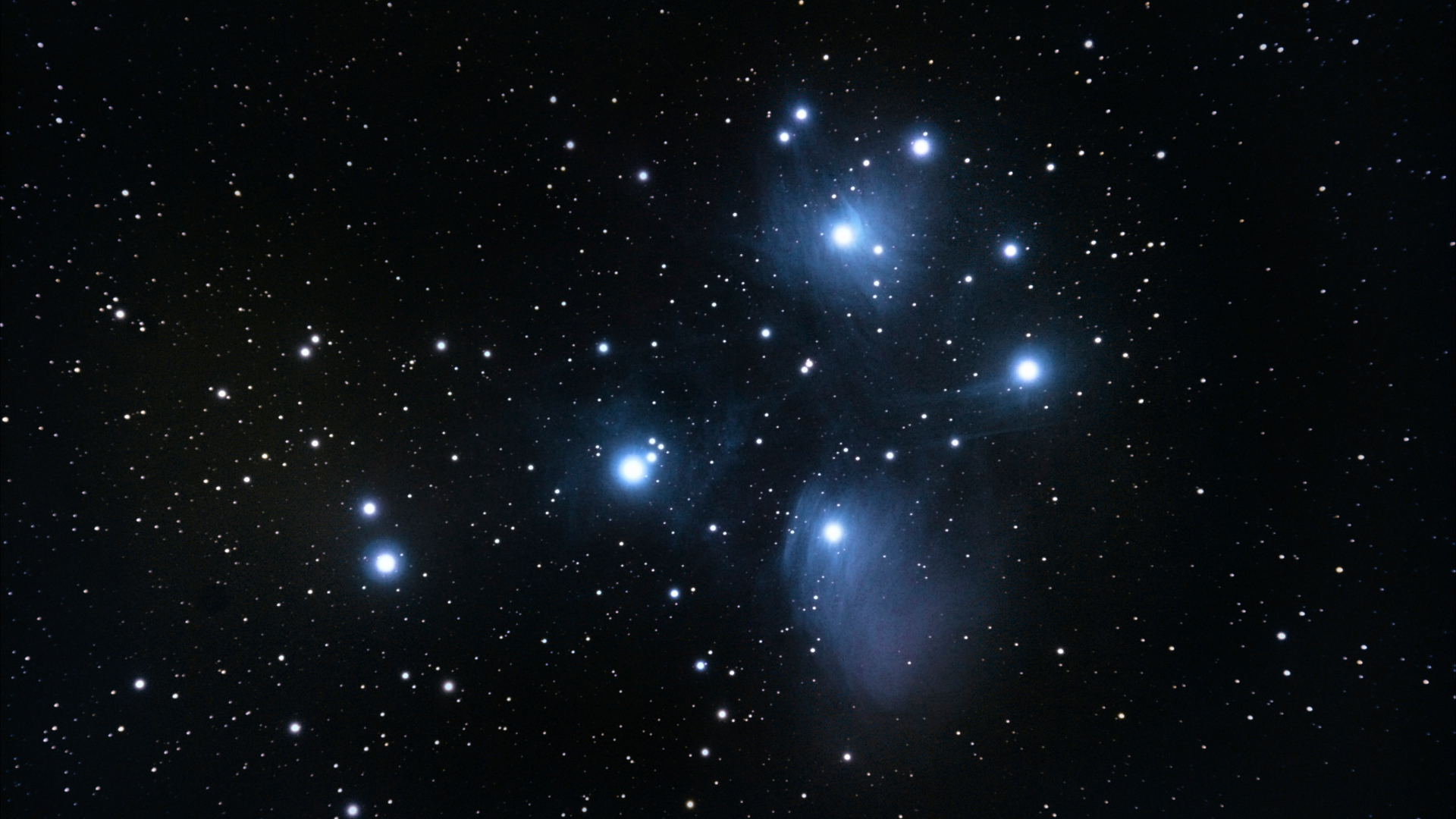
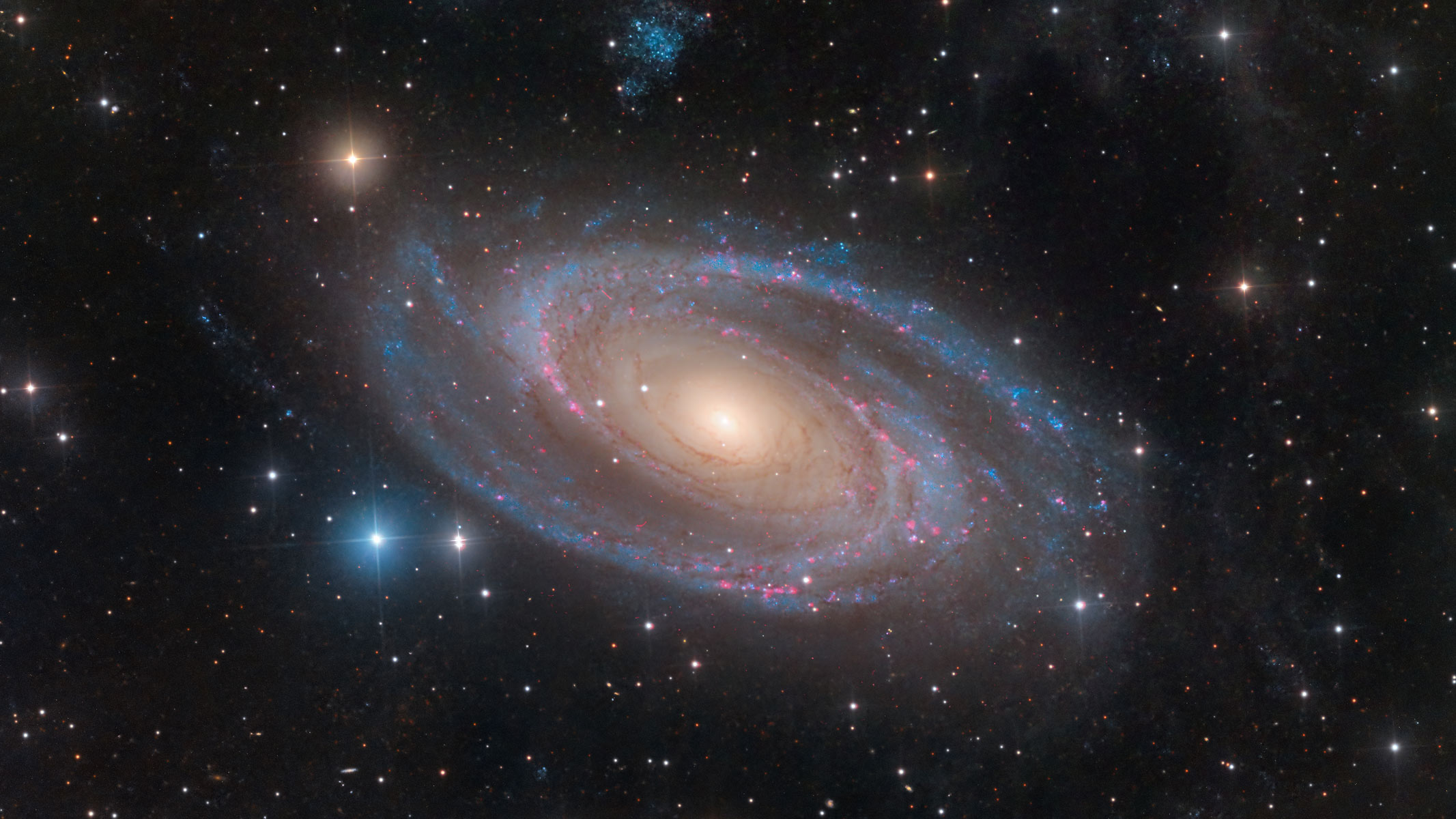
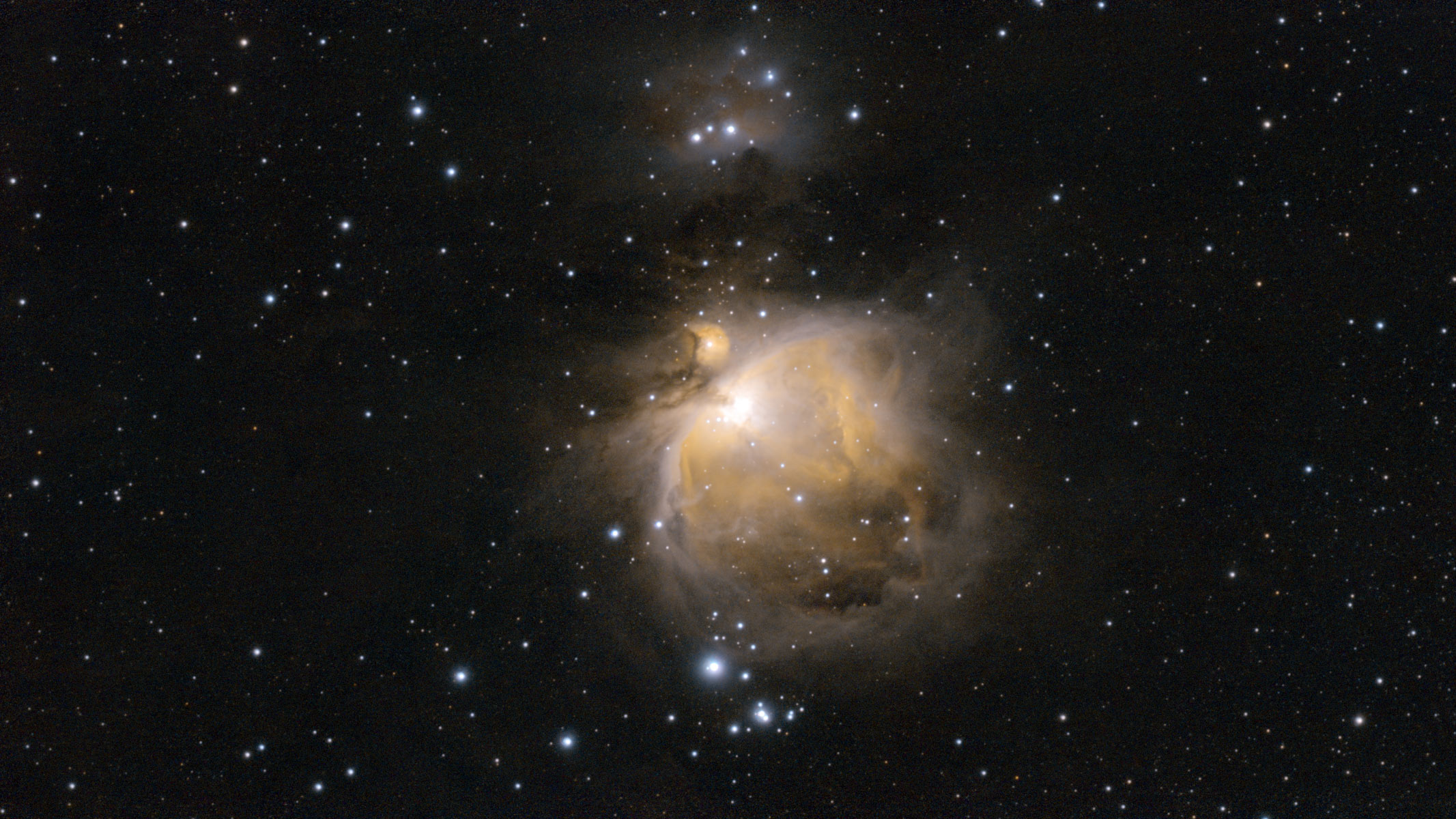
(Image credit: Tony Rowell/Getty Images) You’ve studied Saturn , watched the Big Dipper wind its way around the North Star and you can find Orion’s Belt with your eyes closed. Now what? Once you’ve learned how to navigate the night sky, it’s time for some magnification, not to get stars in close up, but to glimpse galaxies , nebulas and distant clusters of stars . These are the so-called deep-space objects, or DSOs, which are not points of light like single planets or stars , but vast structures far beyond the solar system . We’re talking objects with subtle shapes, a faint and diffuse glow spread over a large area and hard-to-discern details. Each will be difficult to spot at first, but will reveal not only the reward for patience but also a unique story about the universe’s formation and evolution.…