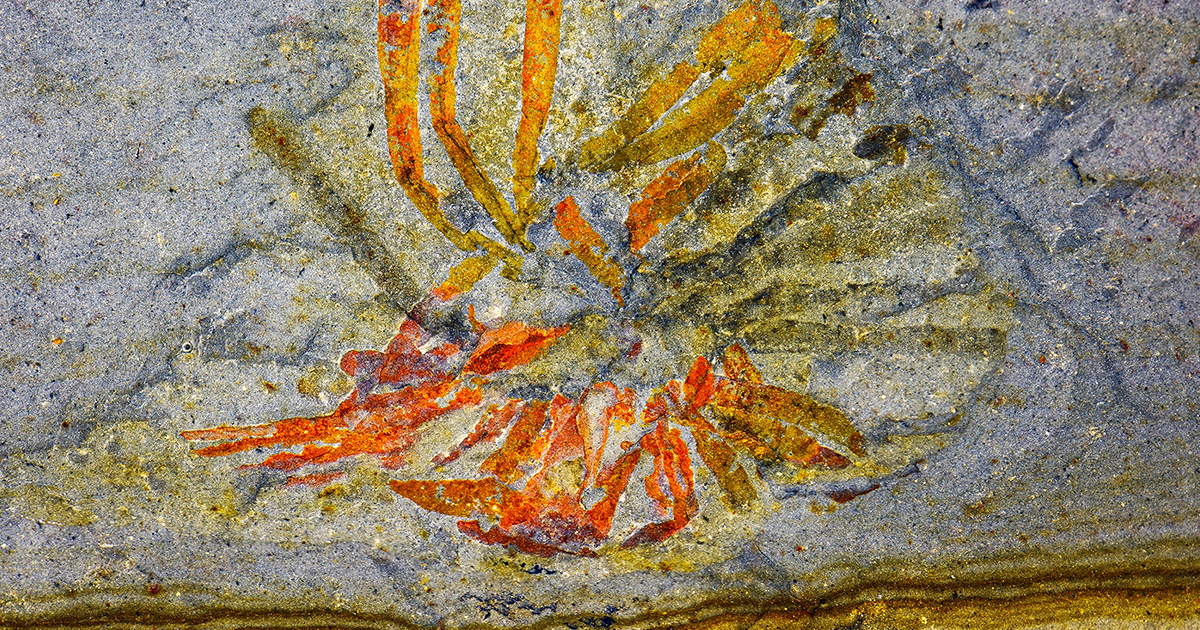
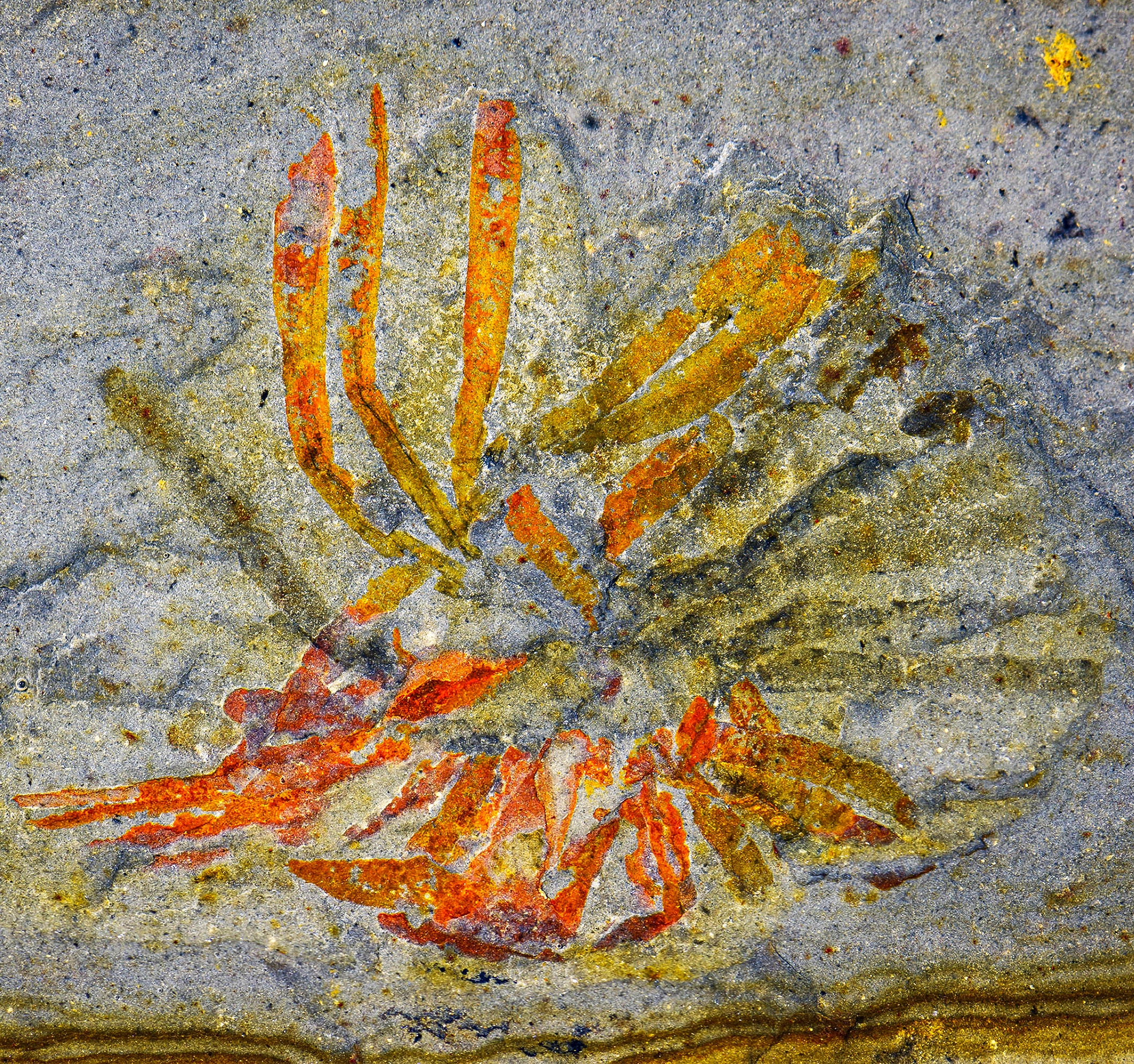
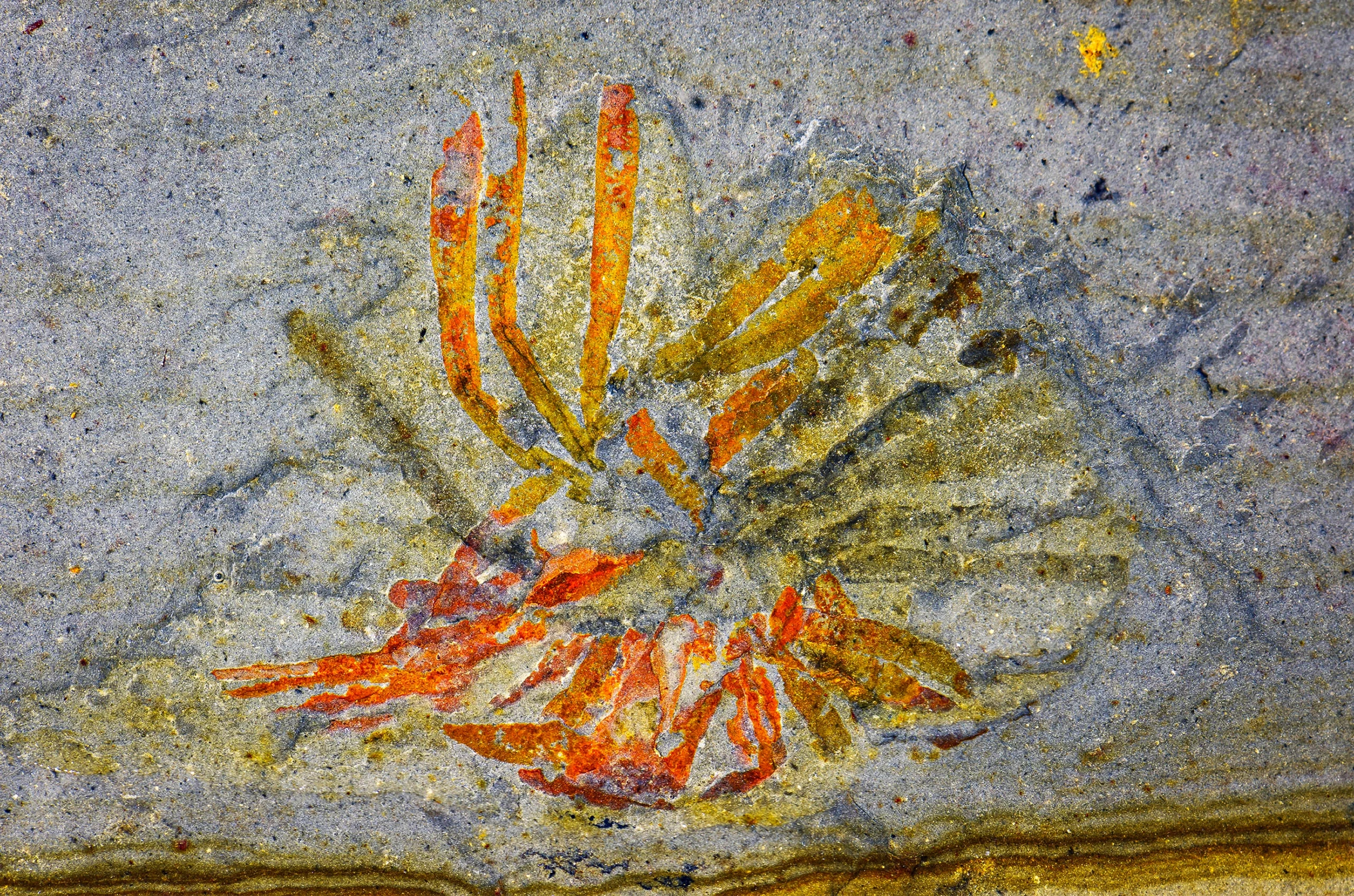
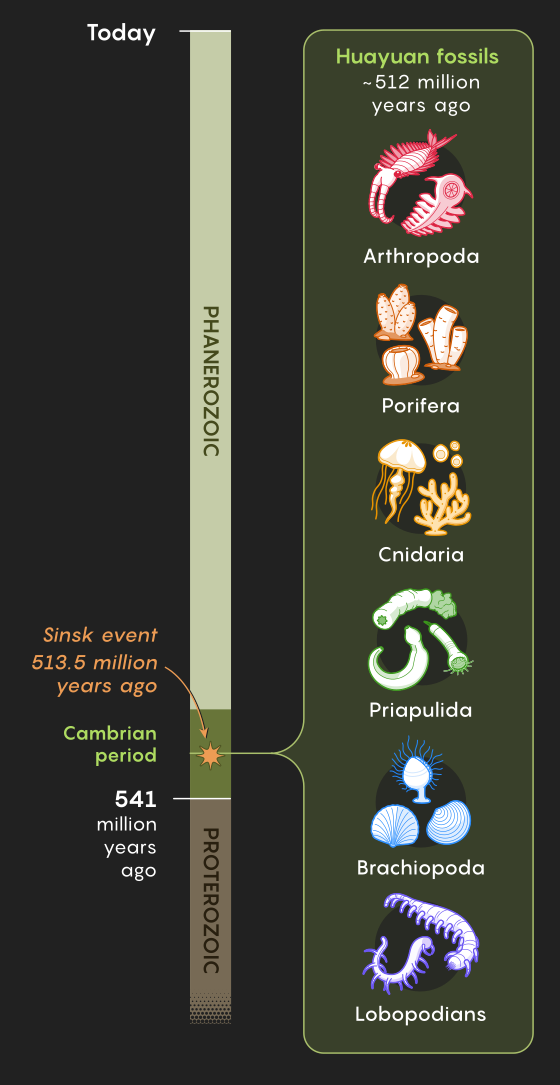
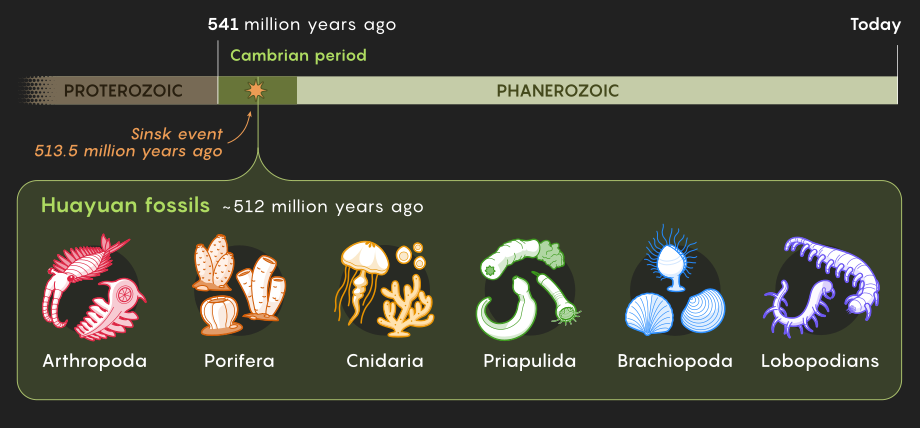
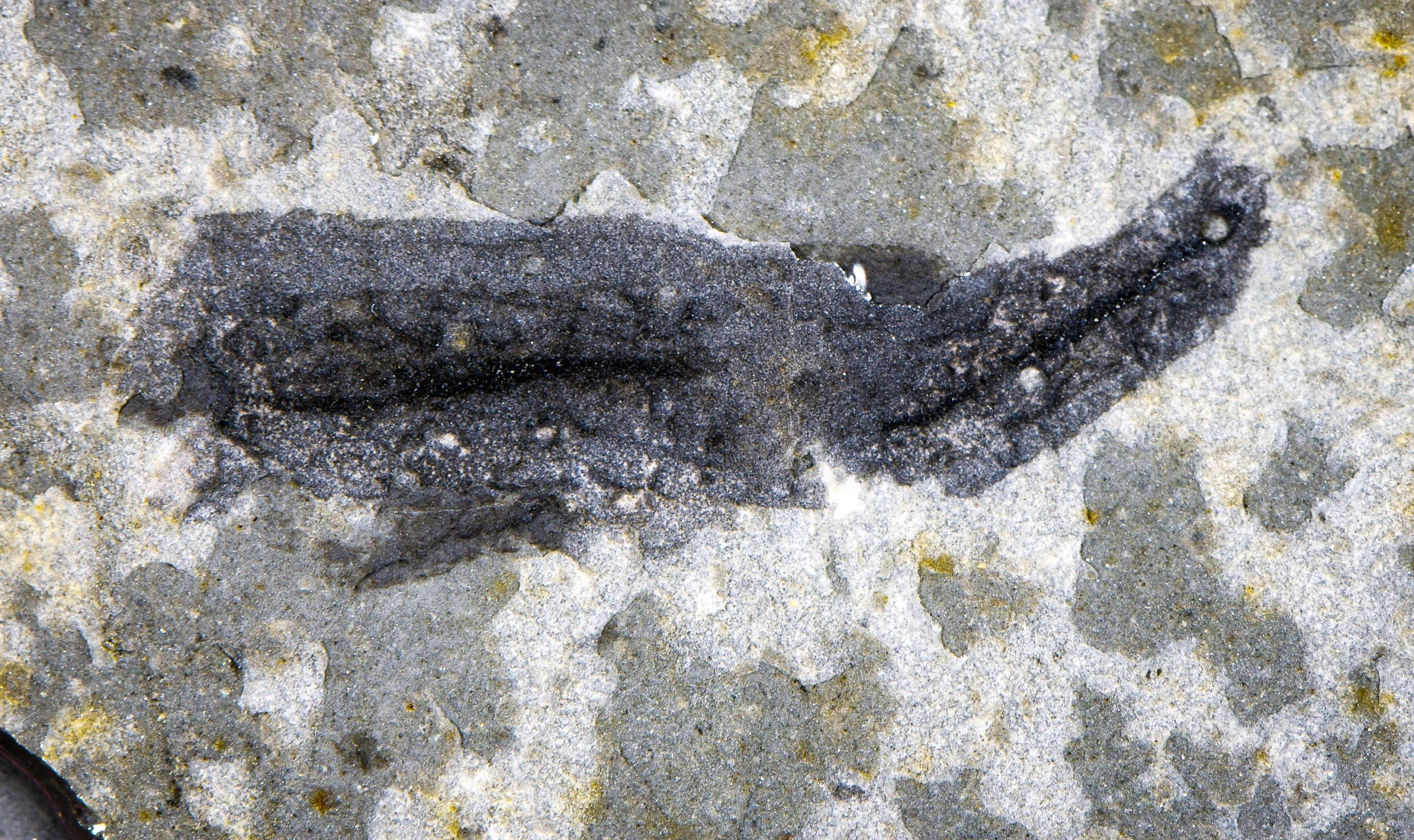
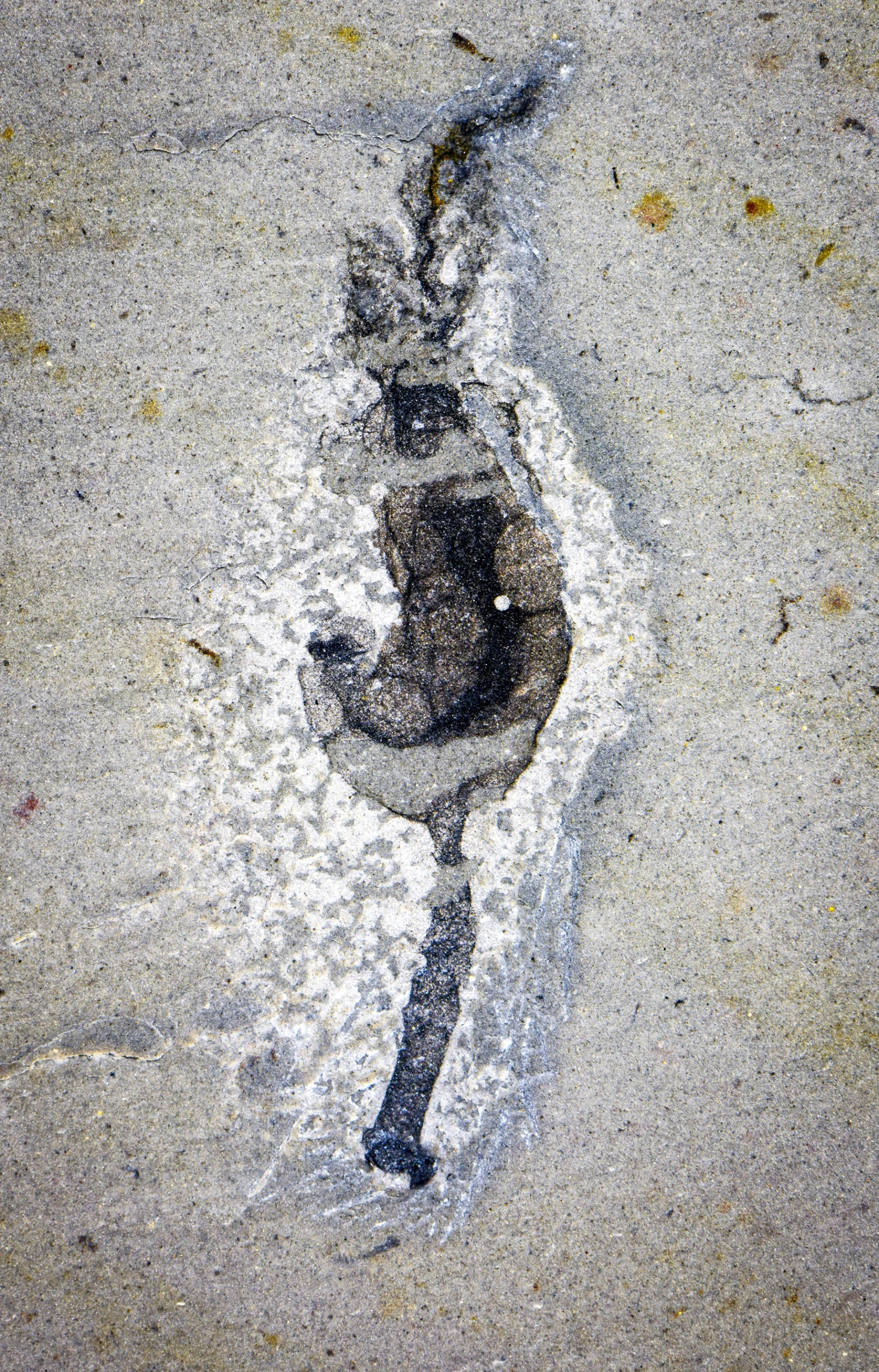
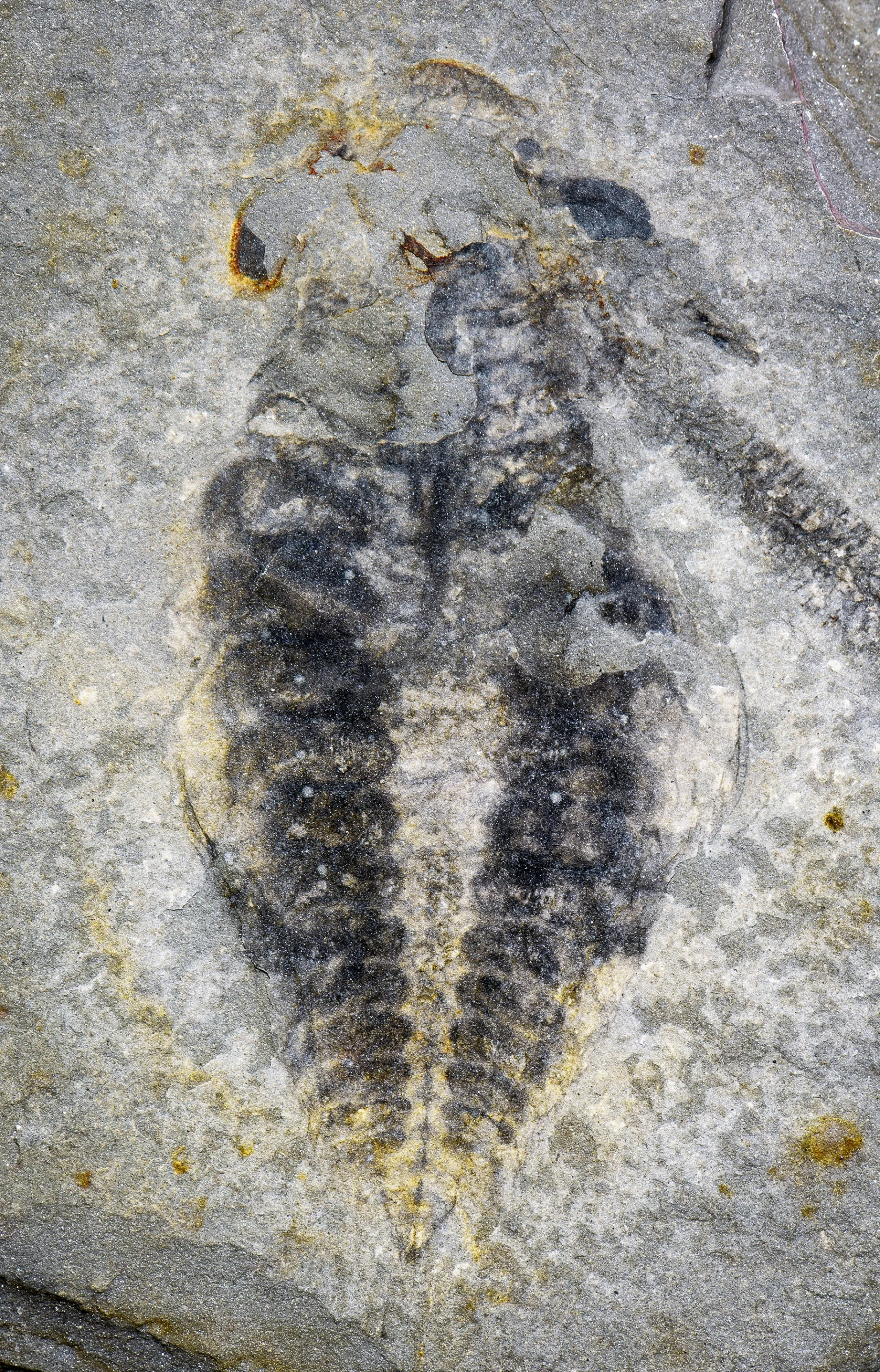
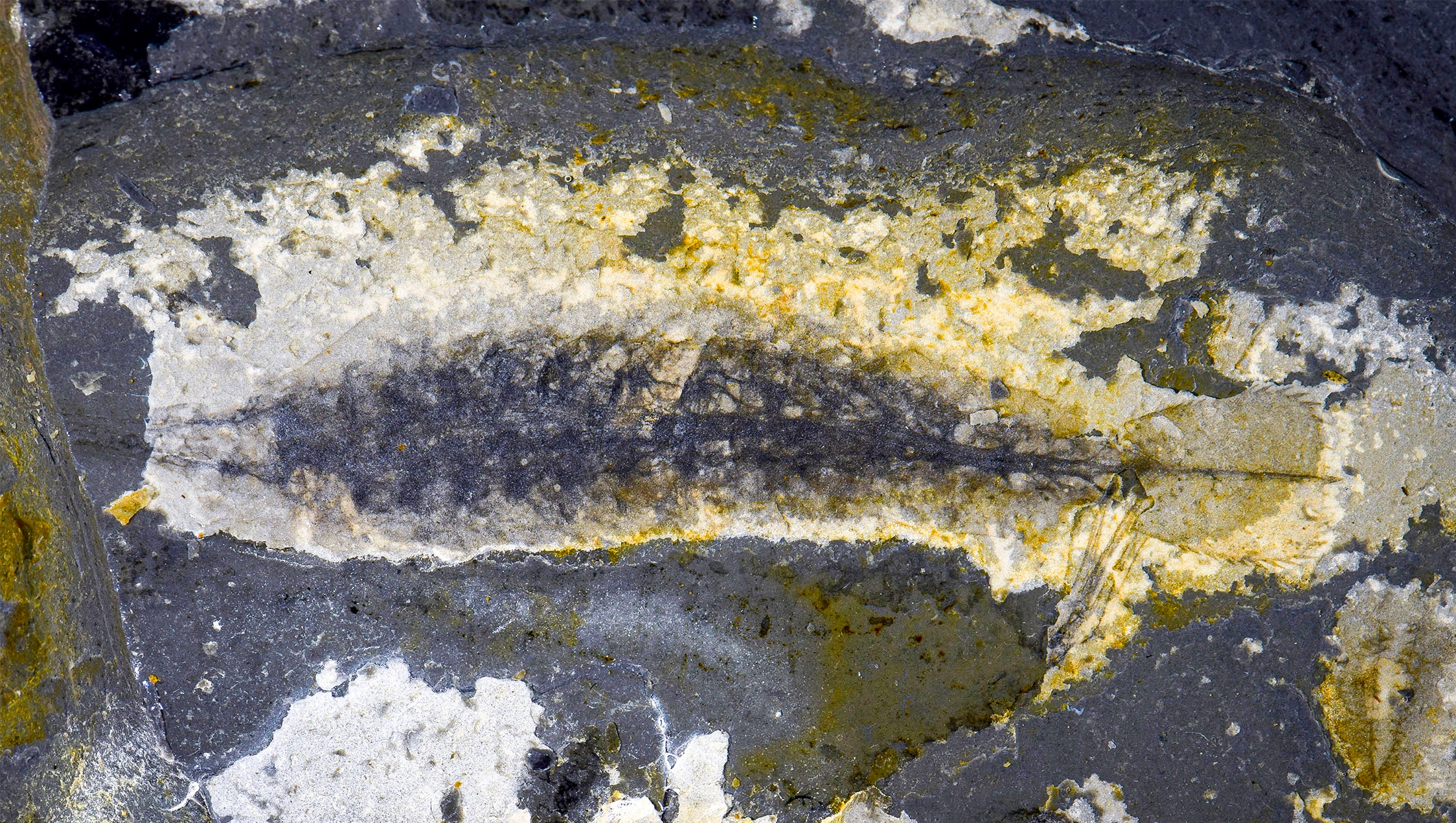
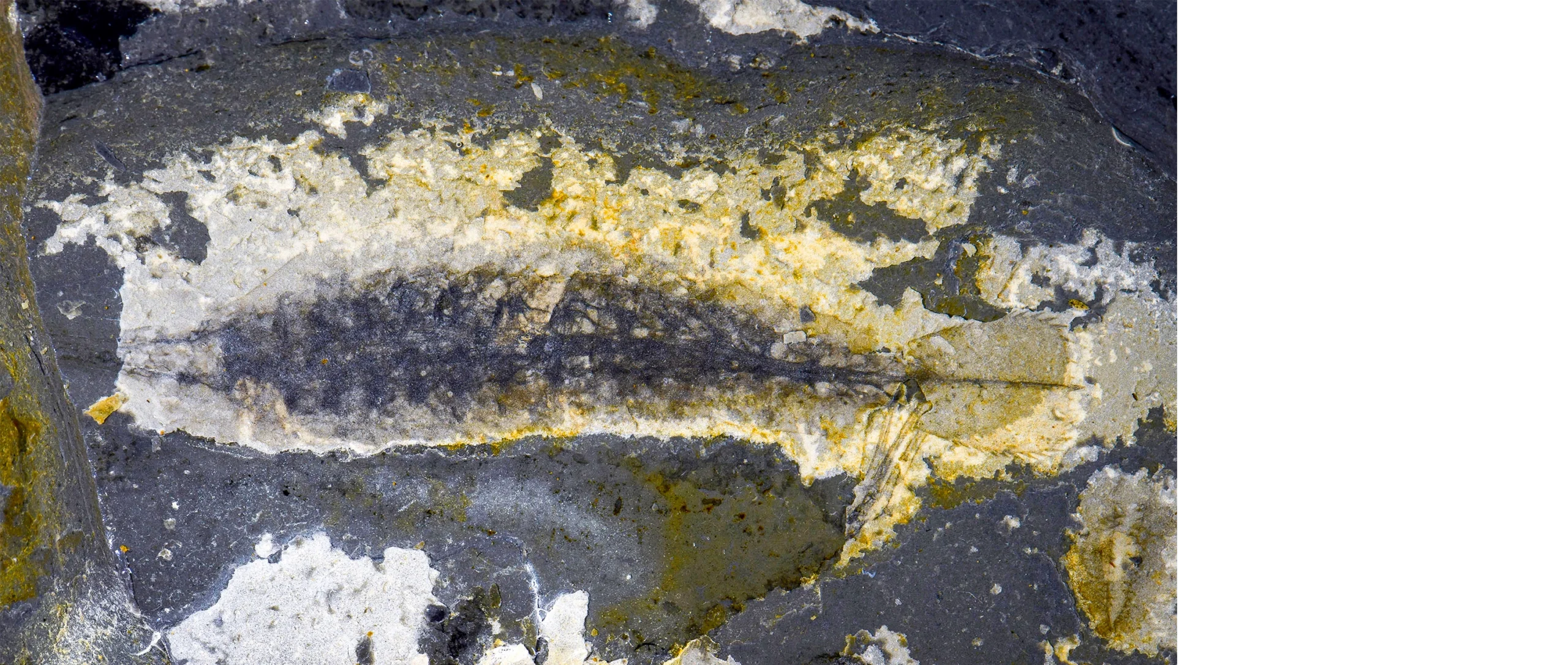
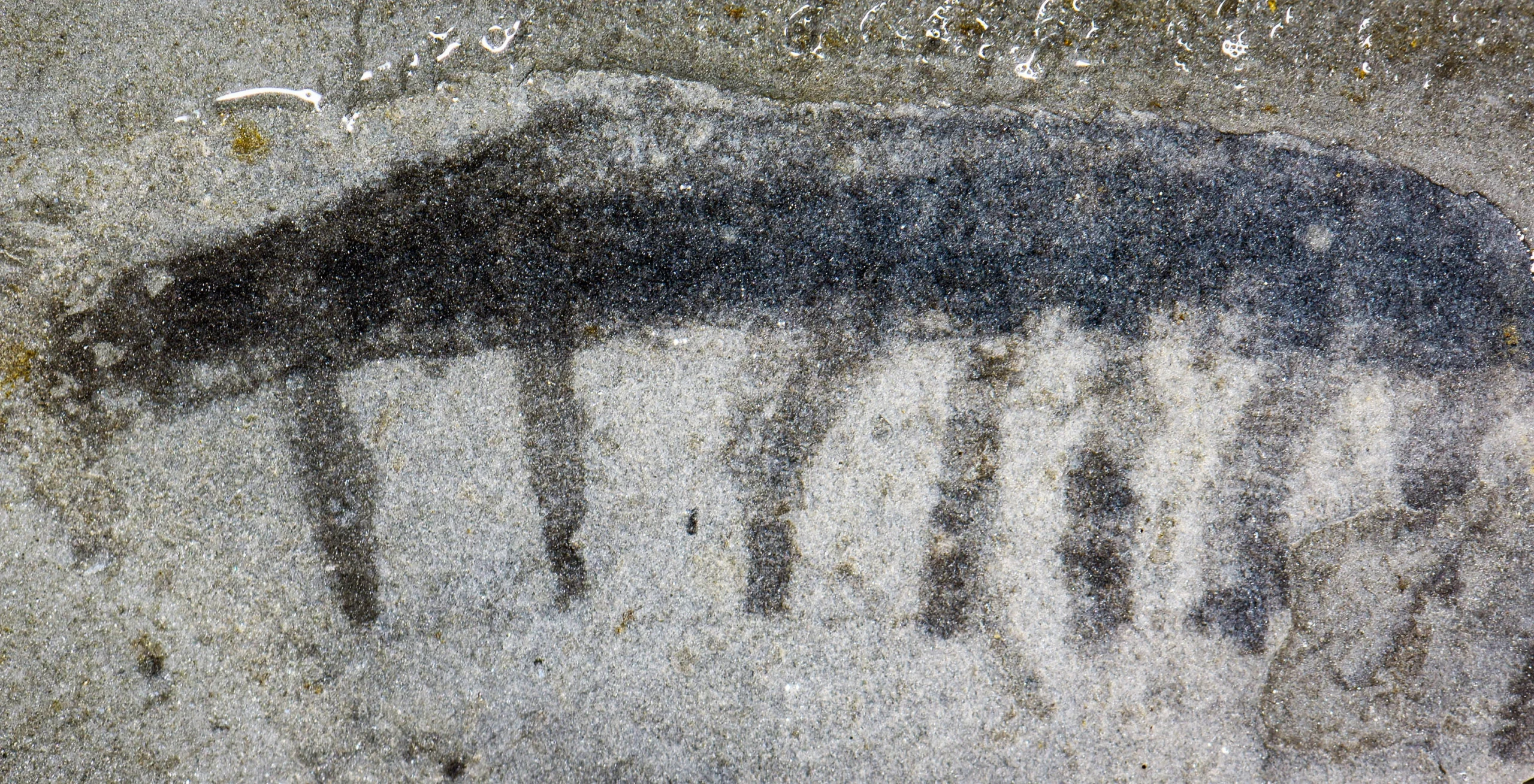
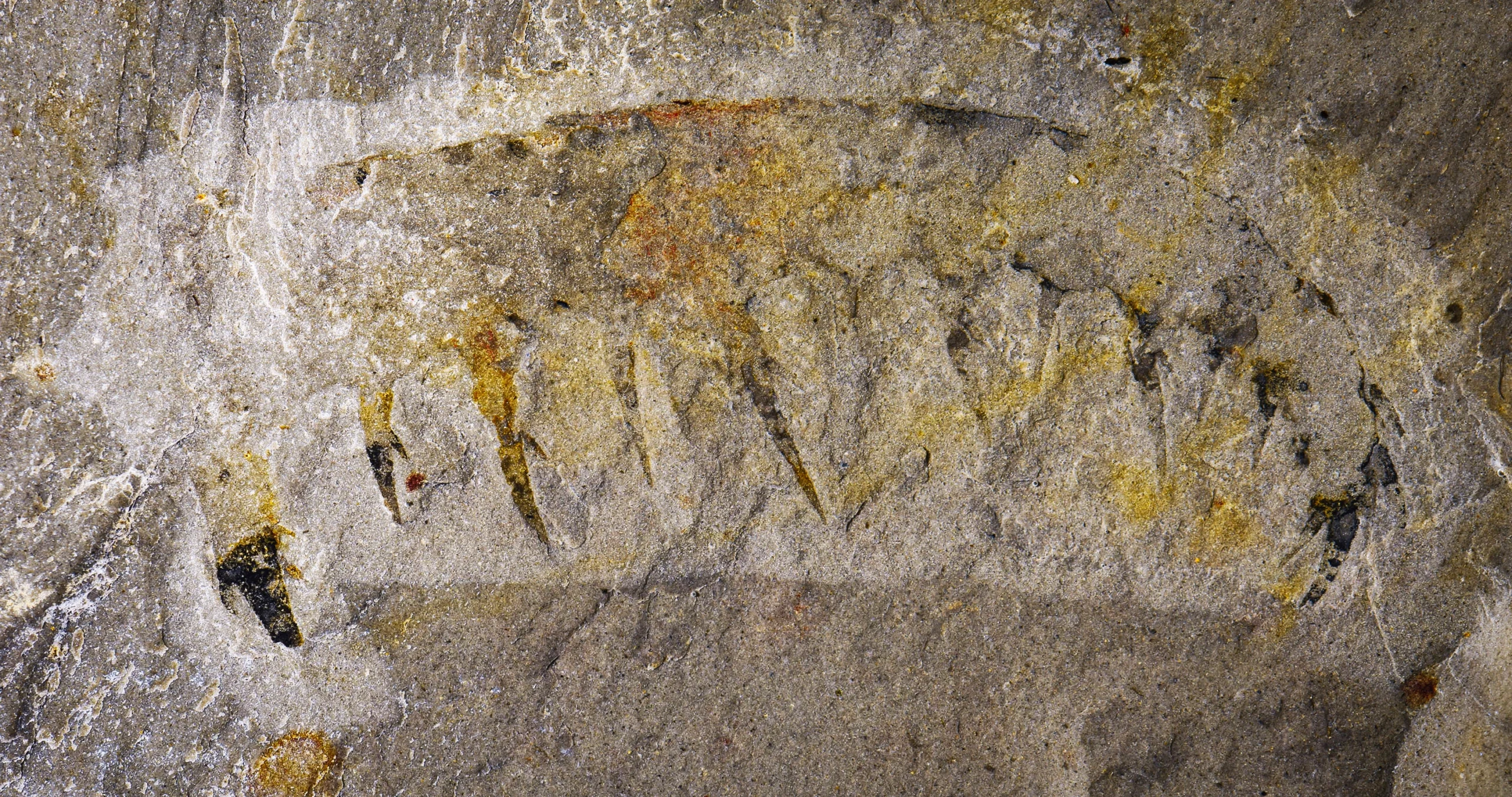
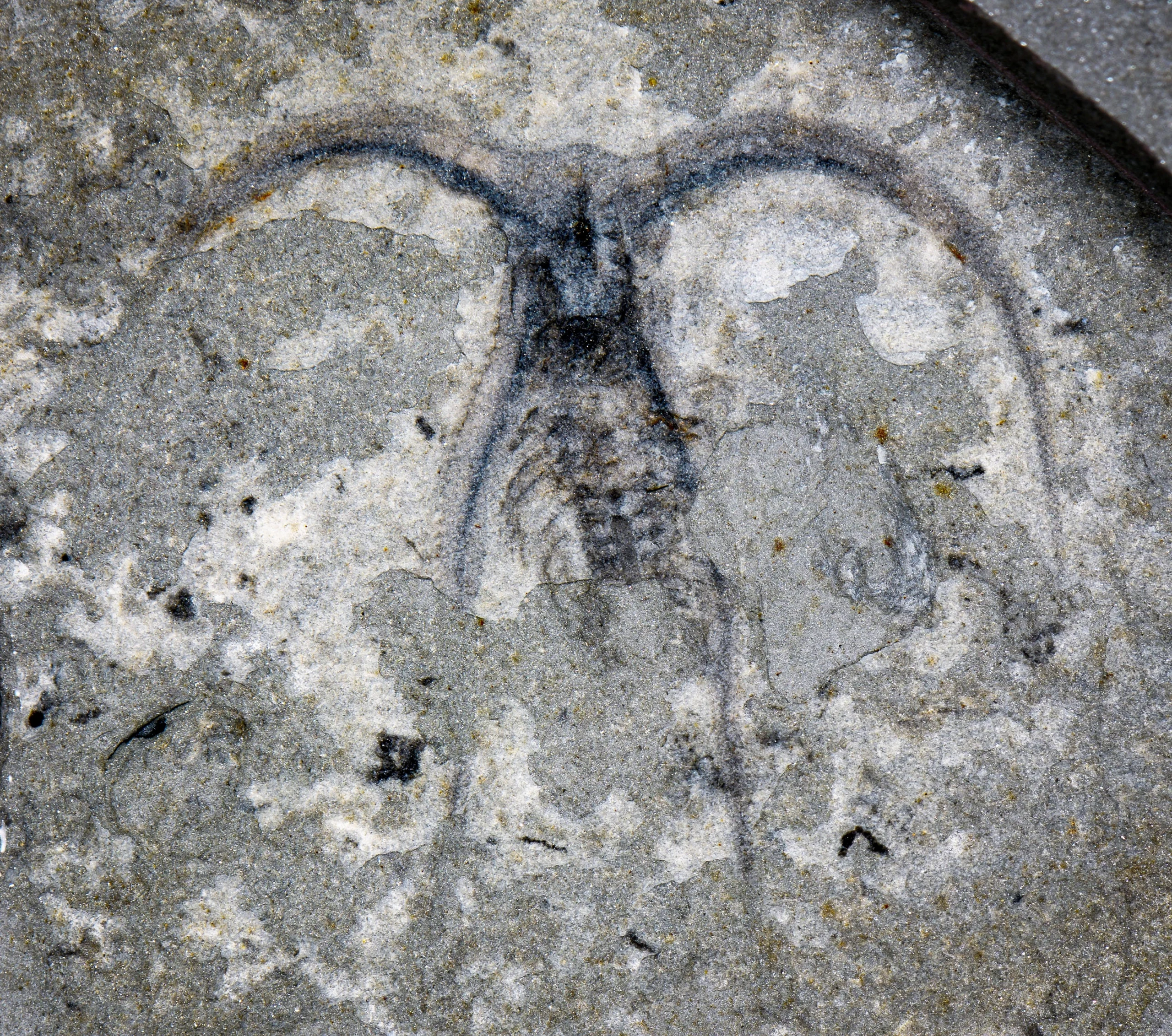
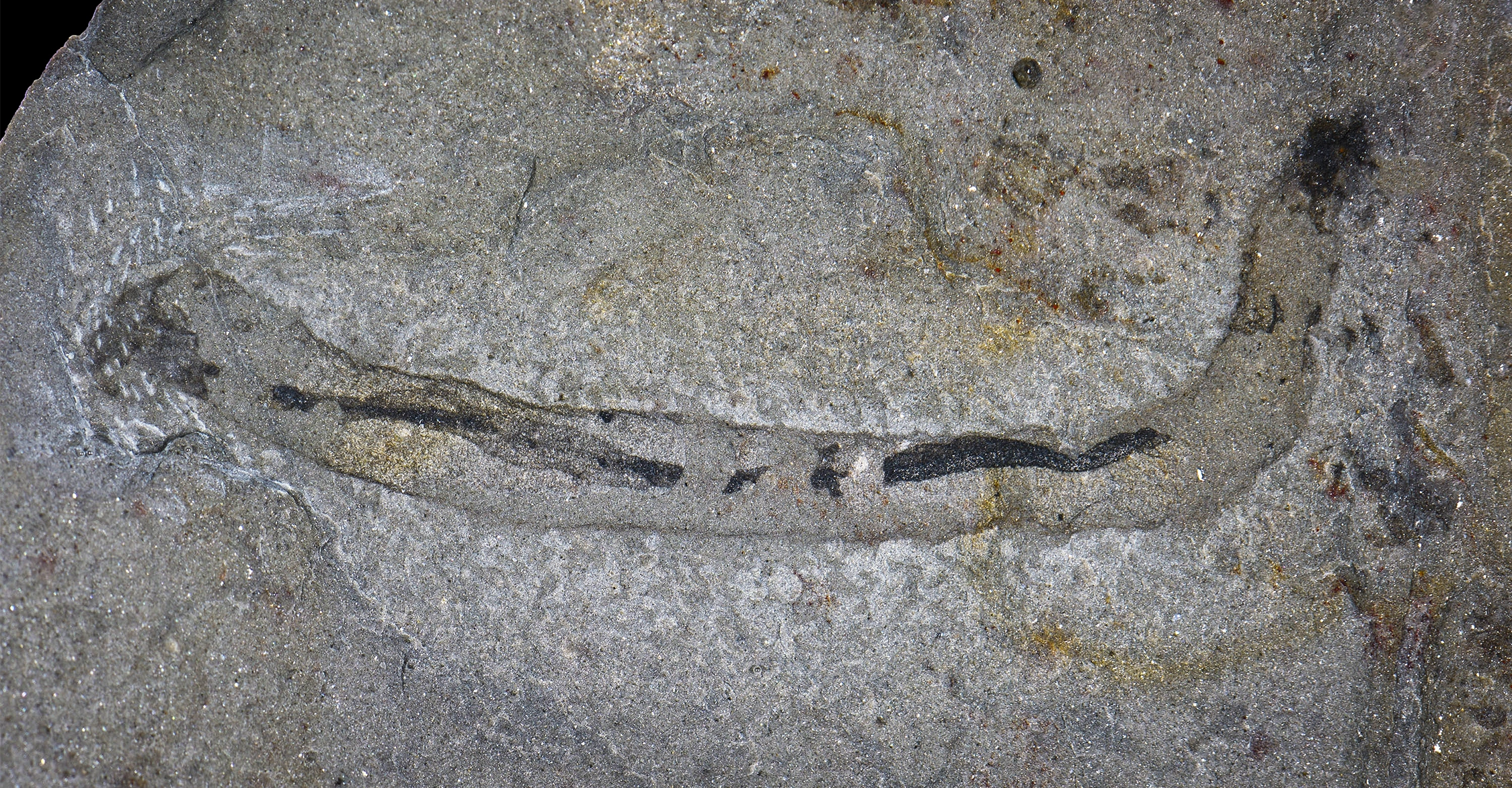
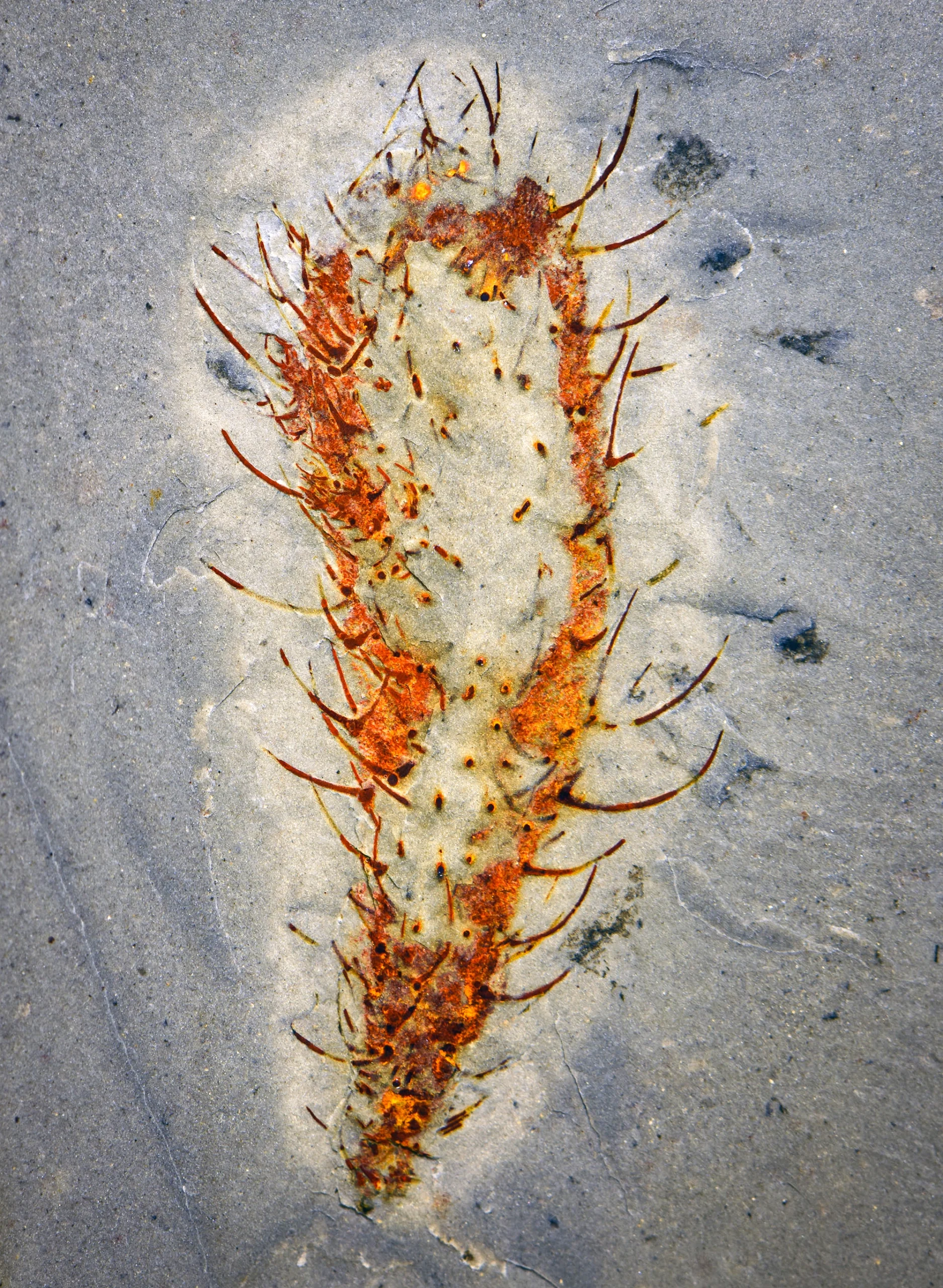
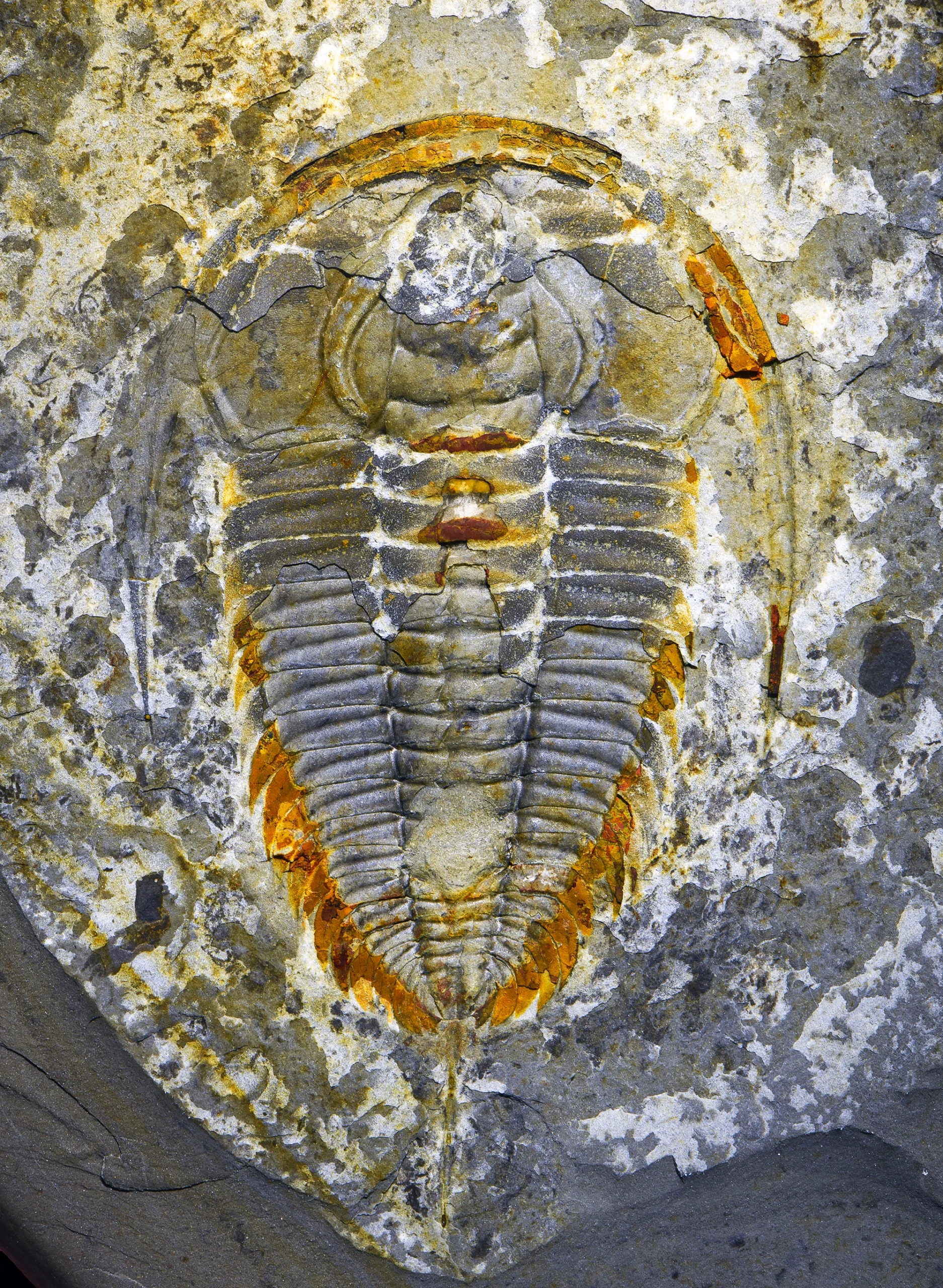
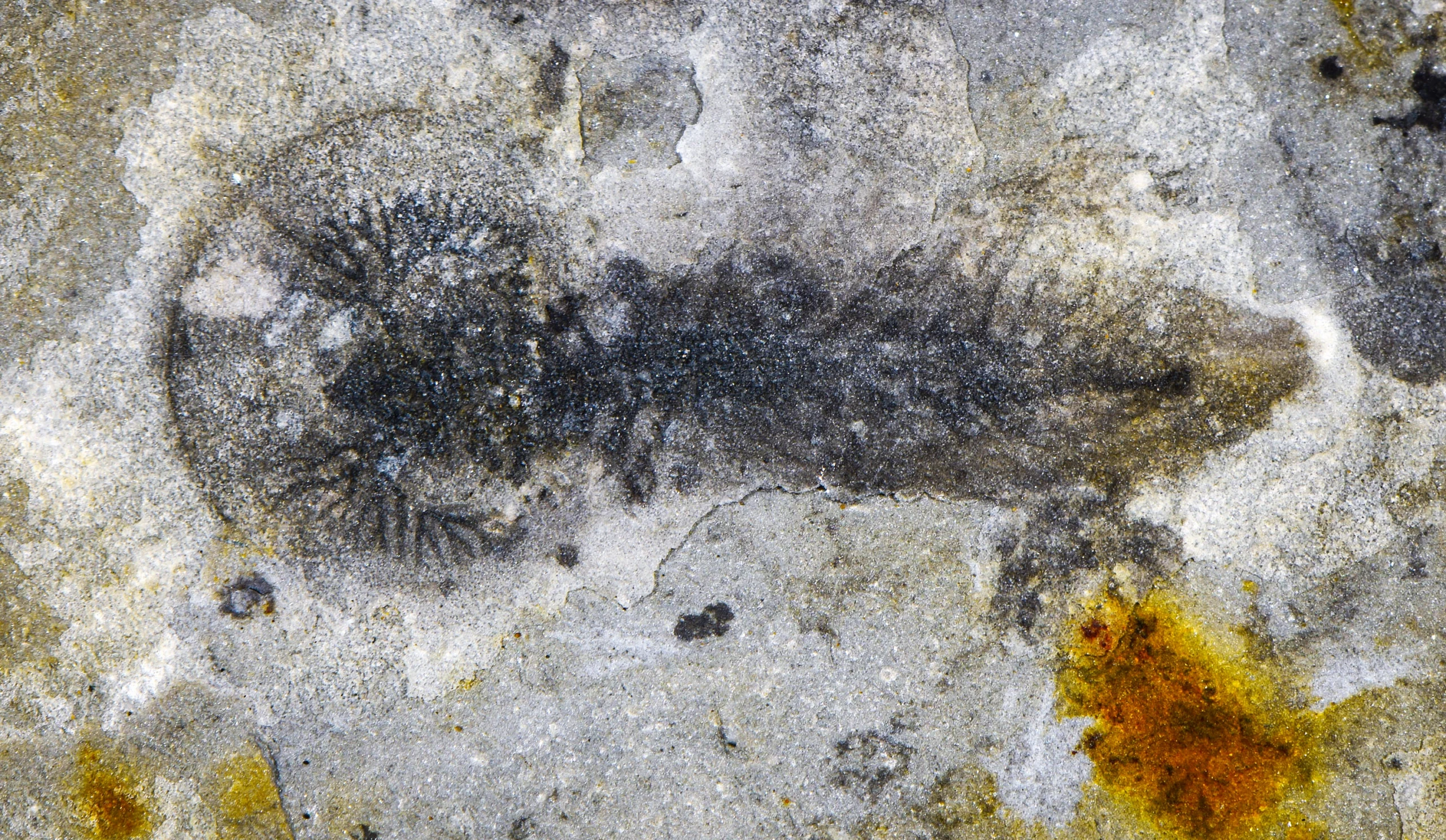
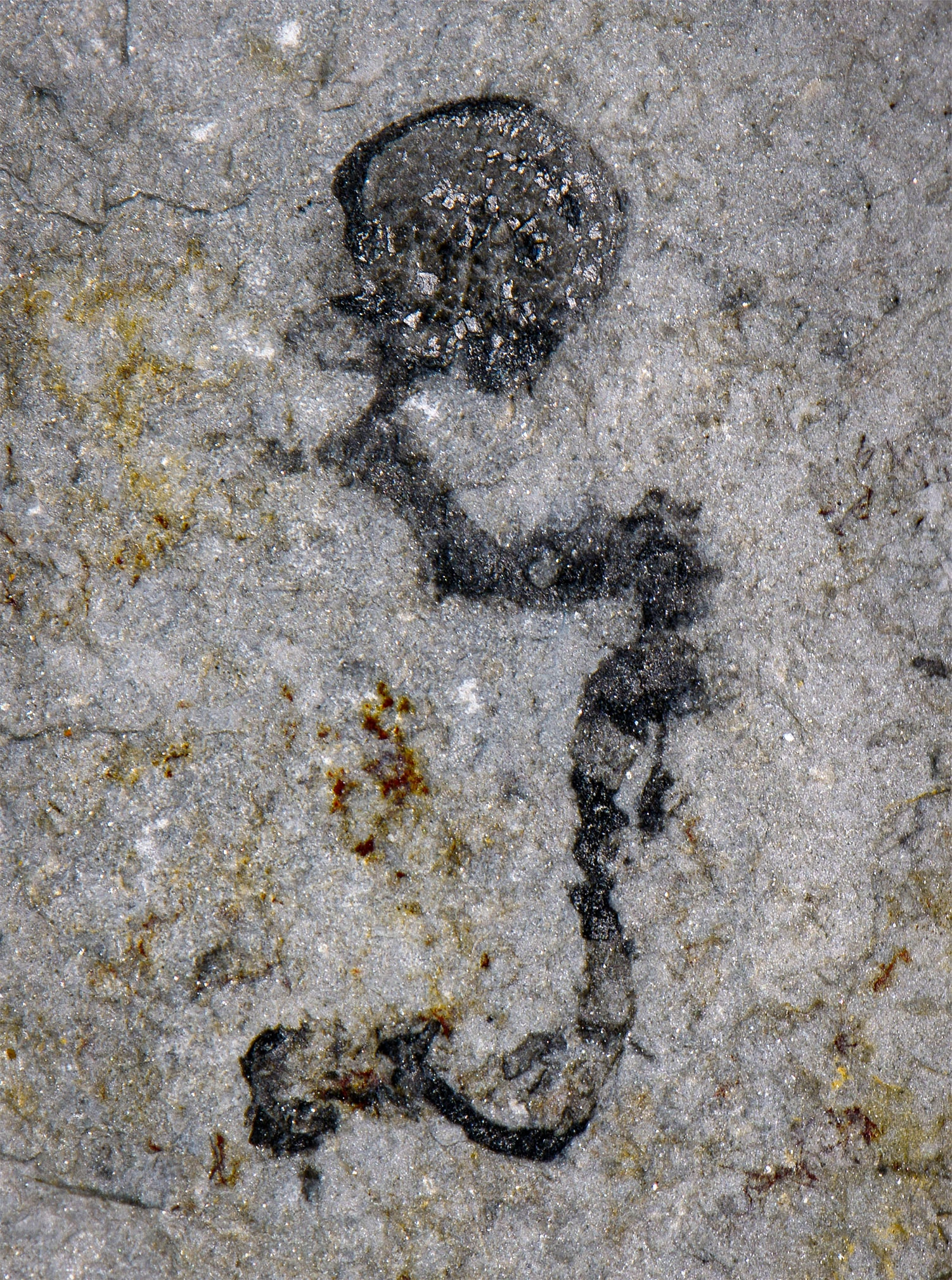
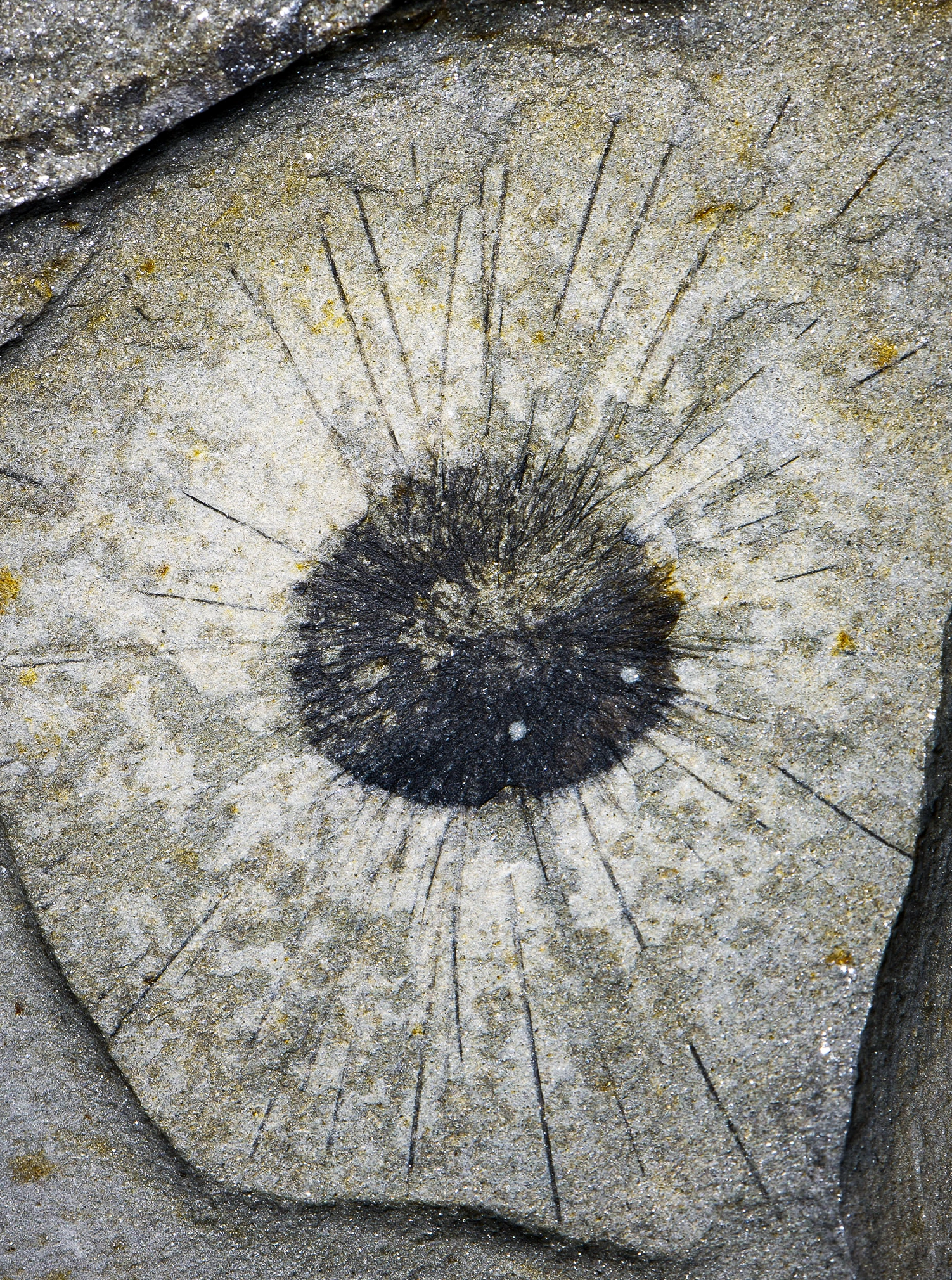
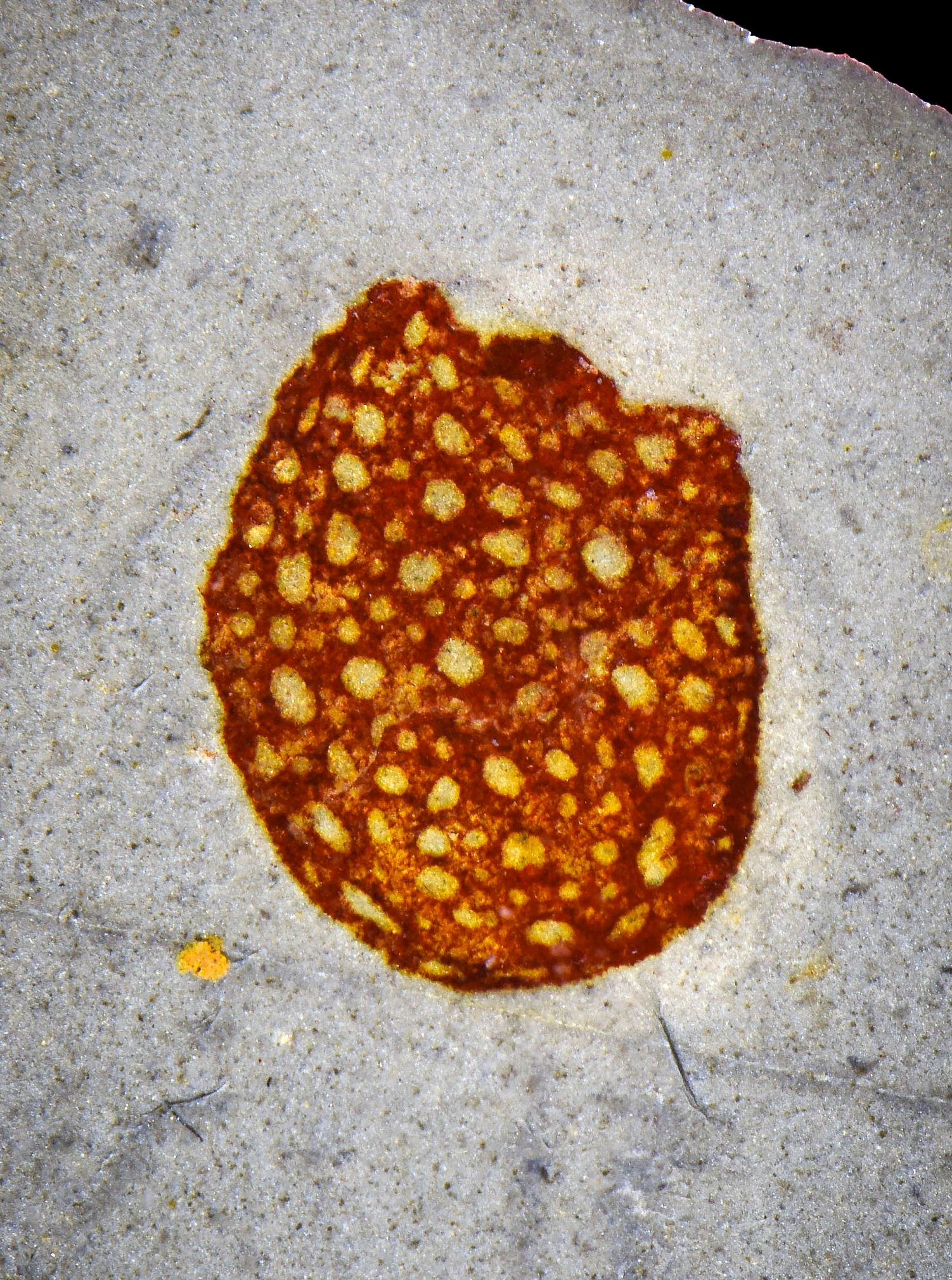
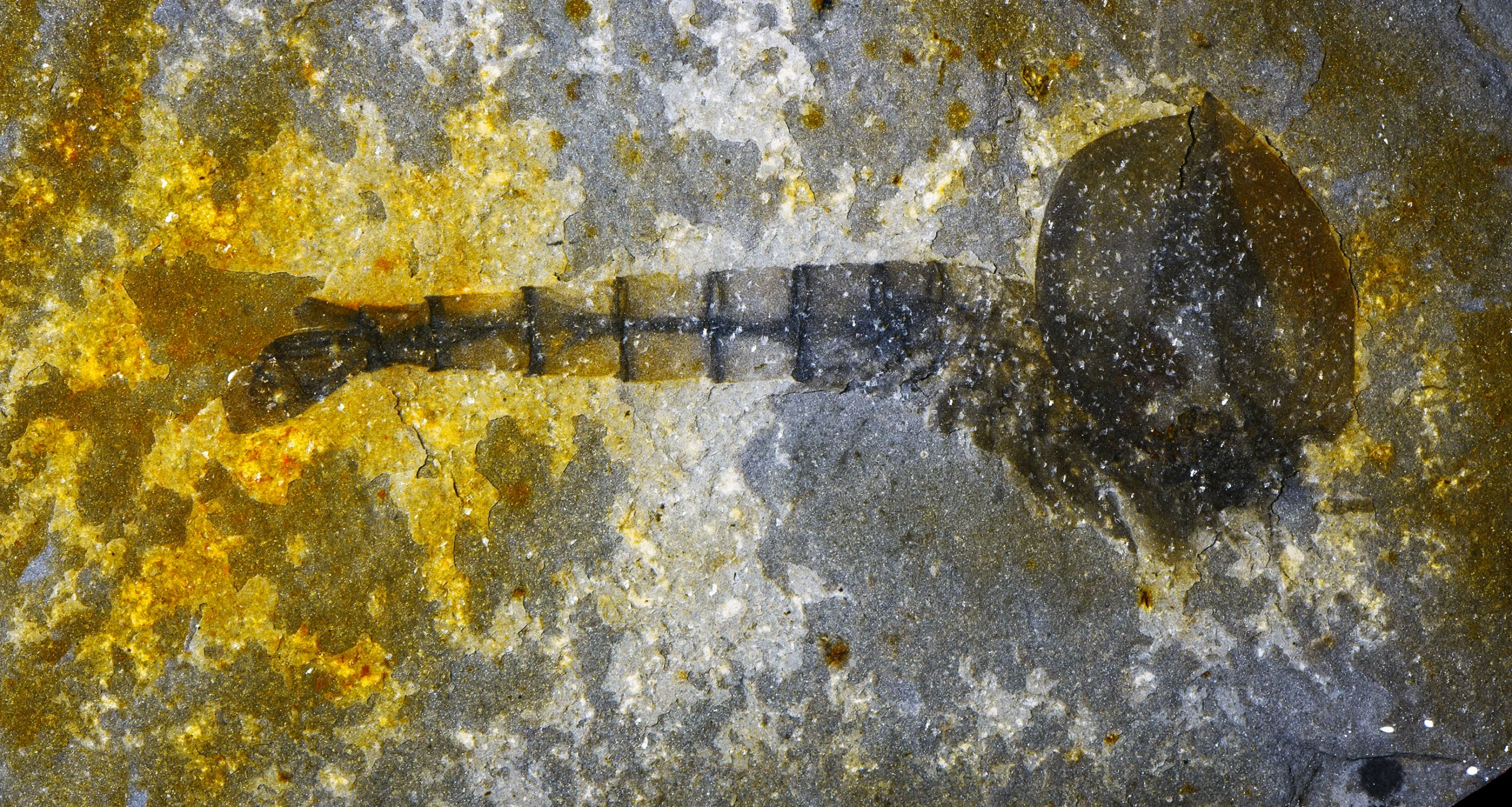
Remarkably preserved relics from southern China — more than half representing species new to science — is transforming our understanding of organisms that survived the first mass extinction of the Phanerozoic Eon. One of the oldest fossilized hemichordates, Sphenoecium are tubular marine invertebrates closely related to sea stars and sea urchins. The long protrusions look plant-like but are actually a colony of small worm-shaped animals housed in branching organic tubes. Han Zeng/Nanjing Institute of Geology and Palaeontology, Chinese Academy of Sciences R oughly 540 million years ago, toward the start of the Cambrian Period, the planet was mostly ocean, and life was both alien and vaguely familiar. Small, phallic-looking worms rummaged through ocean-floor sediments while blind swimming beasts flung out whiplike tentacles to ensnare prey. Meanwhile, early versions of mollusks and sponges populated the seafloor as jellyfish floated above.…