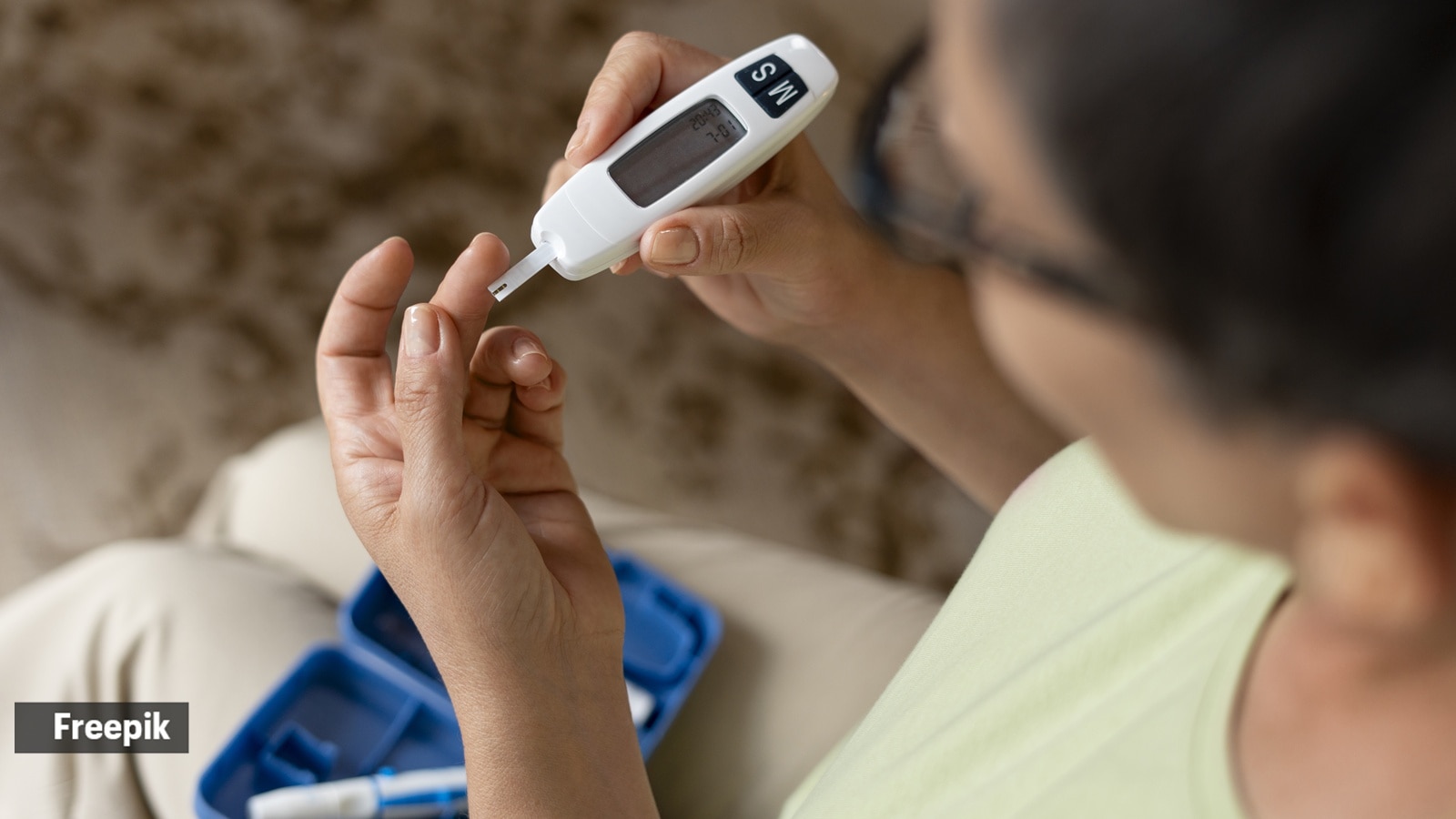
A single fasting blood sugar reading above 126 mg/dL can raise concern, but it doesn’t automatically mean you have diabetes. Diagnosis isn’t based on just one value; it requires consistent measurements and context, said Dr Pranav Ghody, consultant endocrinologist and diabetologist, Wockhardt Hospitals, Mumbai Central. Blood glucose levels can change due to temporary factors. “Poor sleep, stress, recent illness, specific medications (like steroids), or even your dinner the night before can push fasting sugar higher than usual. In these situations, the reading may not reflect your usual metabolic state,” said Dr Ghody. Lab variation can also affect results. “Small differences in testing methods, how samples are handled, or even hydration levels can influence readings. That’s why most guidelines suggest repeating the fasting glucose test on a different day before making a diagnosis,” mentioned Dr Ghody. DISCLAIMER: This article is based on information from the public domain and/or the experts we spoke to.…