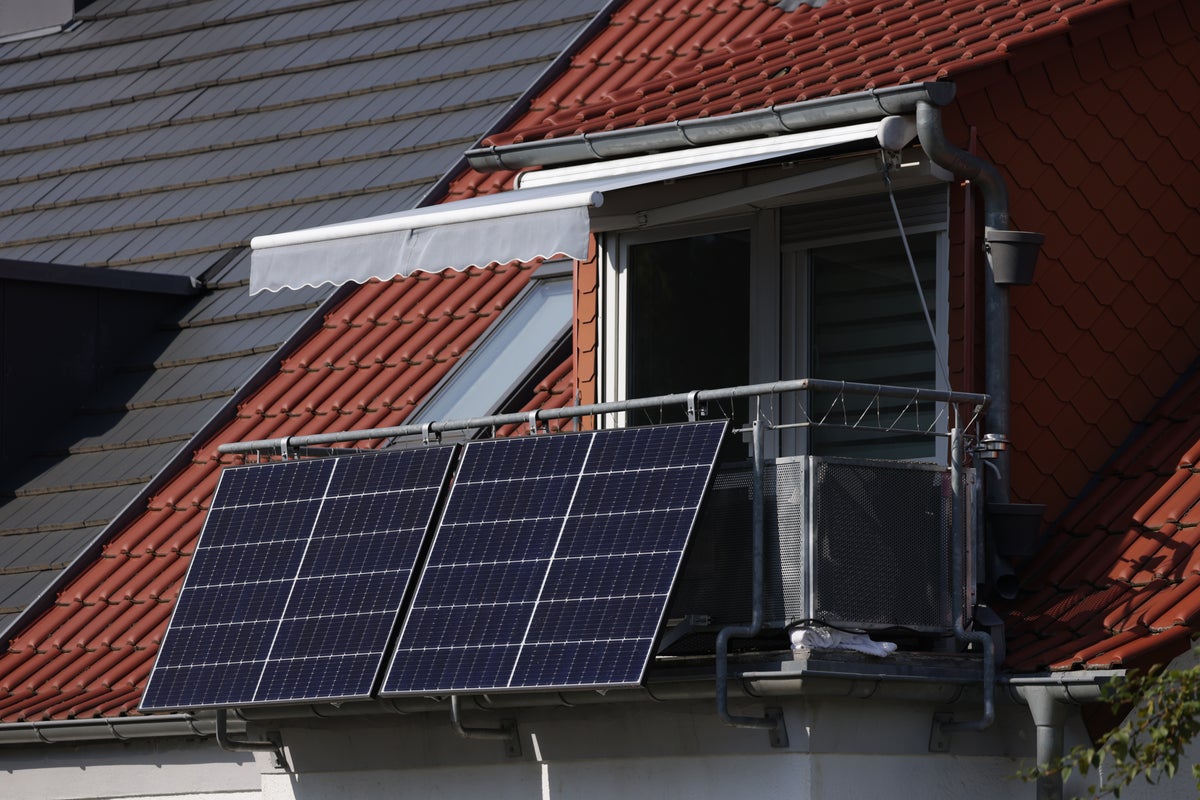
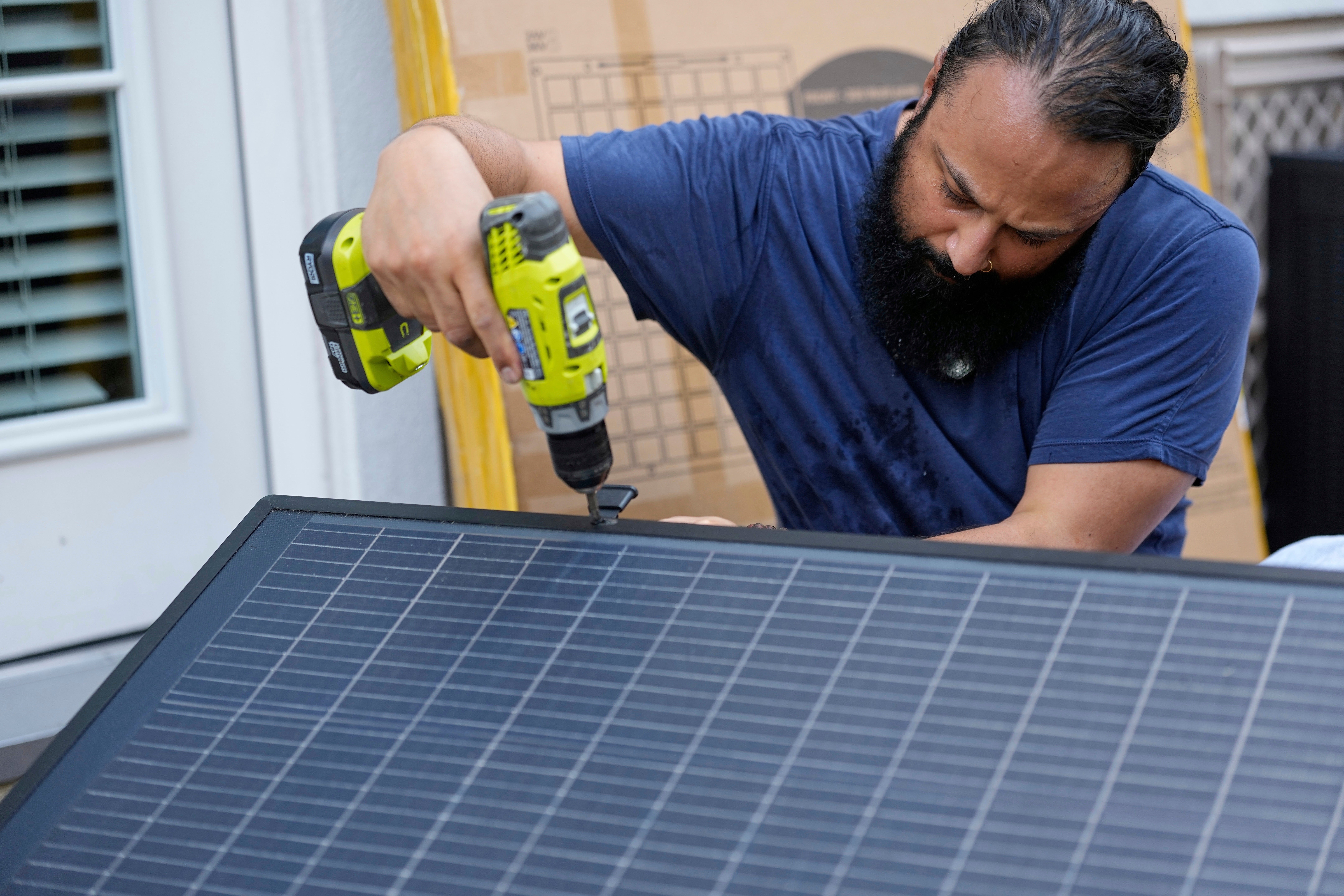
Plug-in solar panels could soon give households a simpler way to generate their own electricity, without paying for a full rooftop solar installation. Instead of a large array of panels fixed to the roof and wired into the home by an installer, these smaller systems are designed to be mounted on a balcony, wall, terrace or garden frame and connected to the property using an approved plug-in setup. It could make solar power accessible to people who have traditionally been locked out of the market, including renters, flat owners and homeowners whose roofs are unsuitable for conventional panels. But while the name makes the technology sound straightforward, “plug-in” does not mean risk-free or completely hands-off. The panels still need to be positioned properly, fixed securely and connected safely. This guide explains how plug-in solar panels work, what comes in a typical kit and what fitting one is likely to involve.…