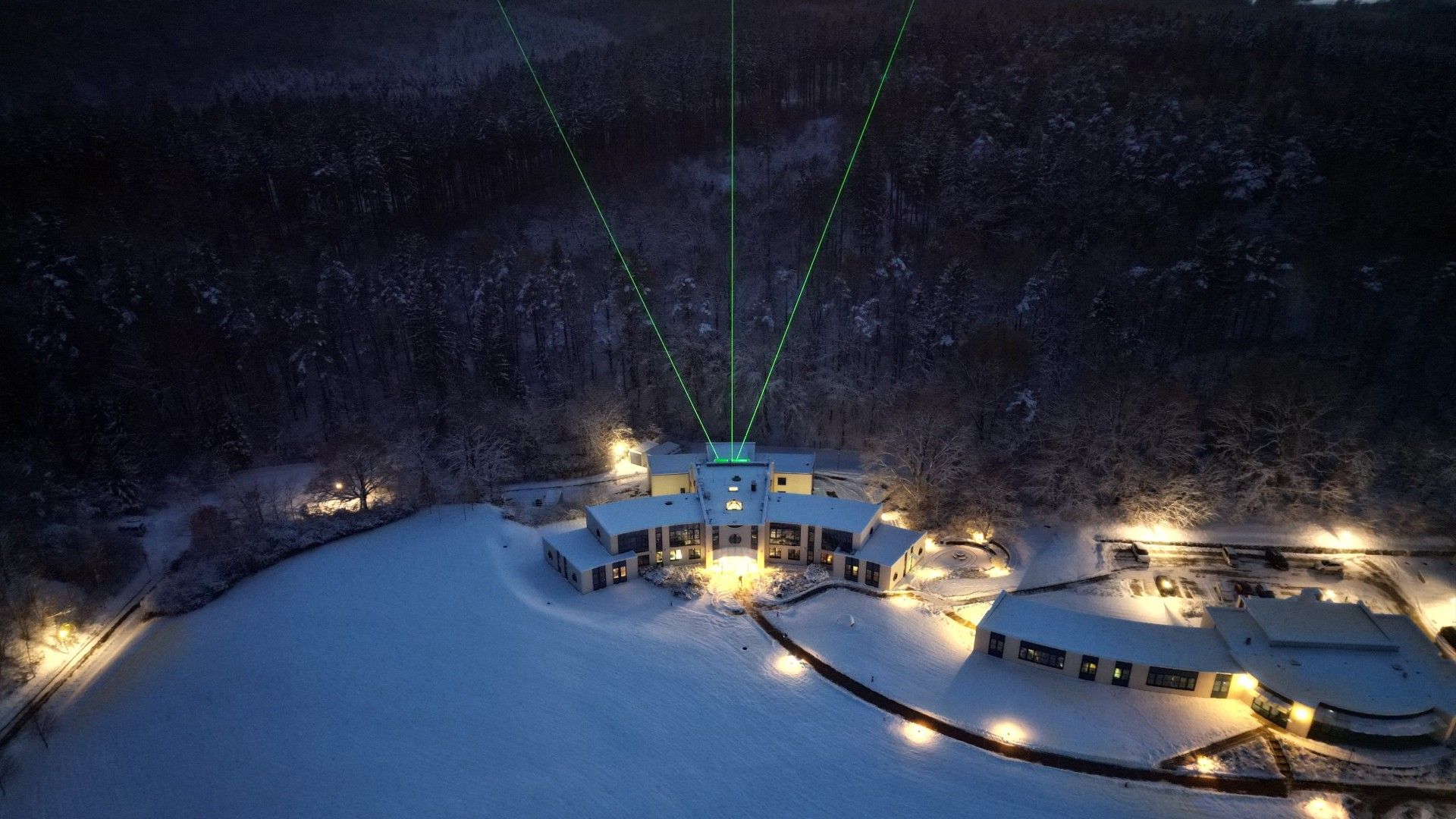
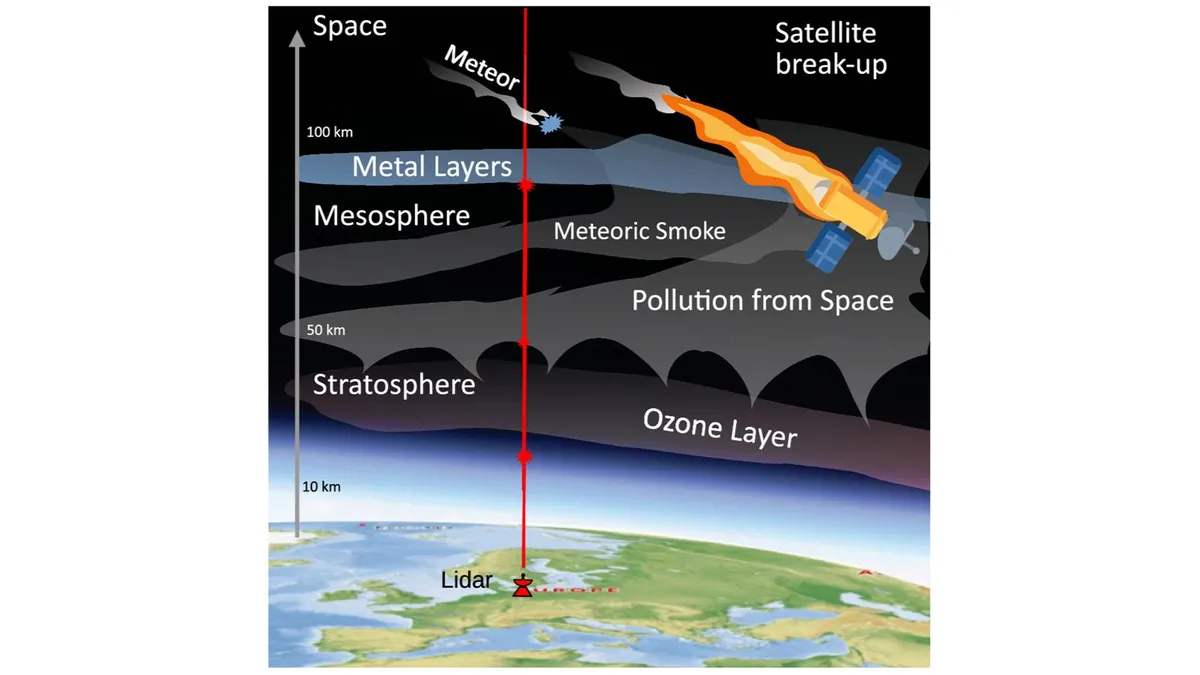
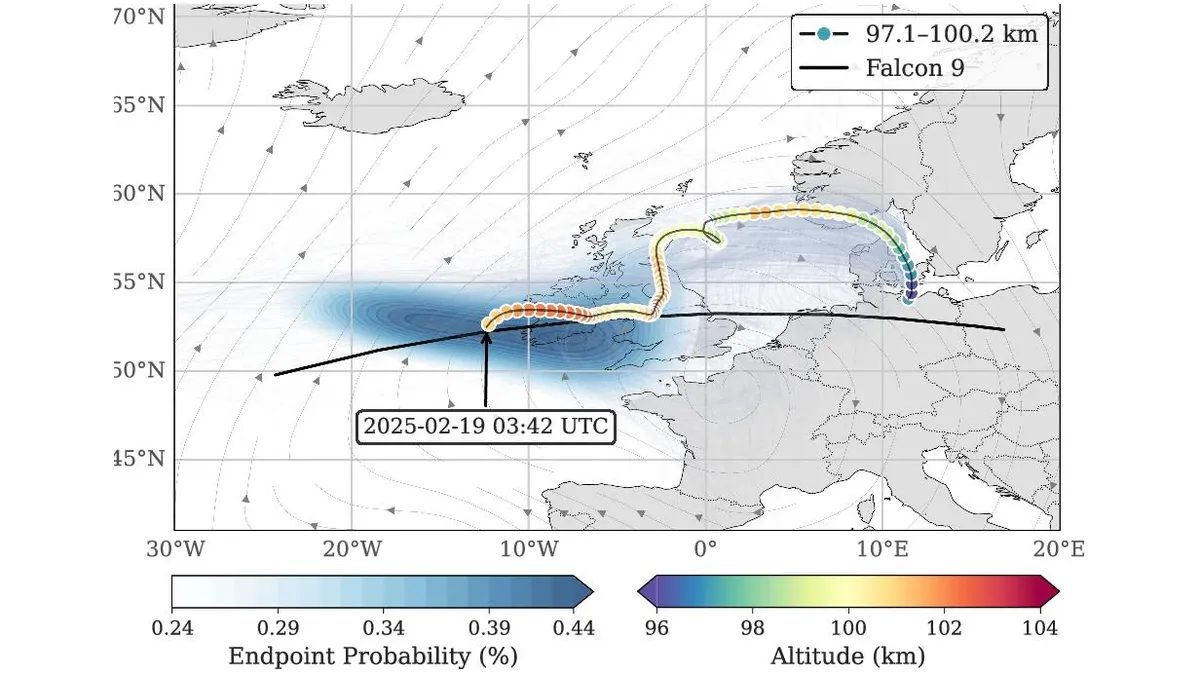
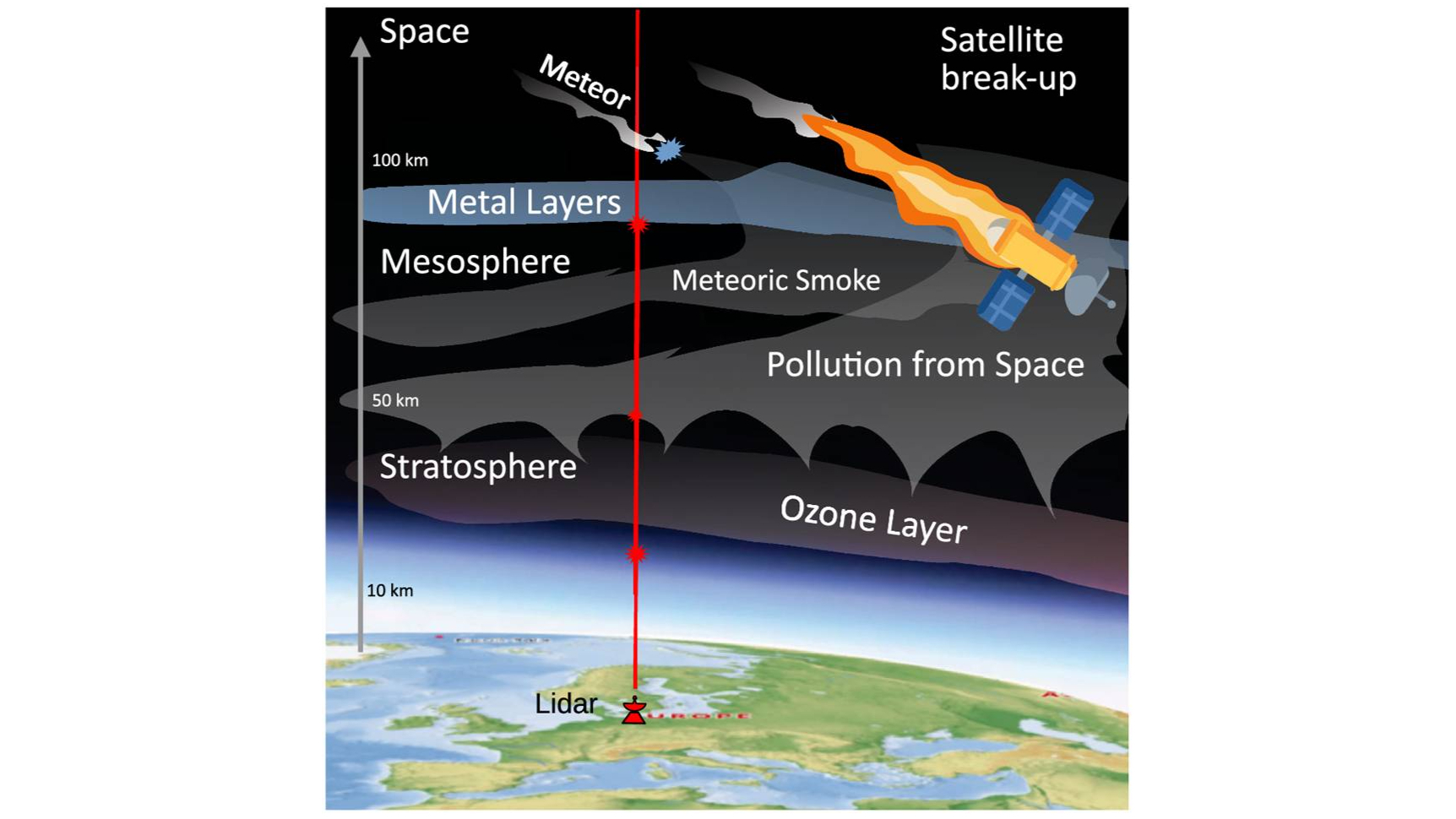
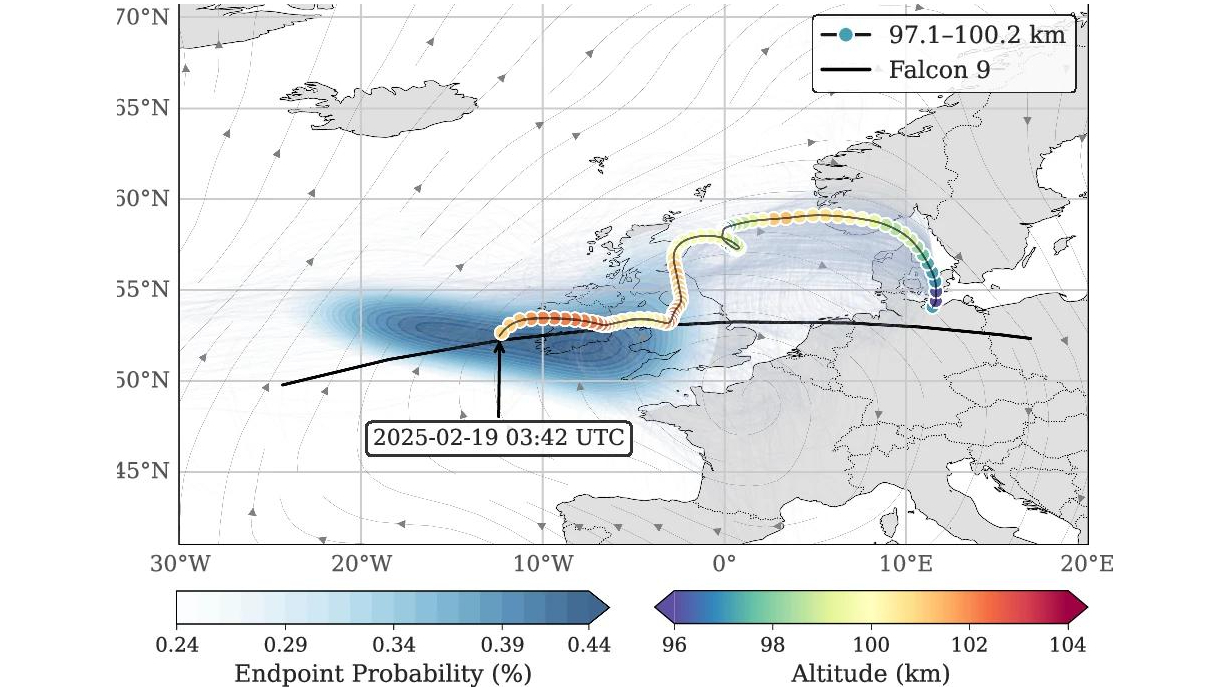
The Leibniz Institute of Atmospheric Physics in winter, with three green lasers measuring winds and temperatures in the stratosphere and mesosphere. (Image credit: Leibniz Institute of Atmospheric Physics /Gerd Baumgarten) Scientists are using a new technique to study incoming space debris and its effects on Earth's atmosphere. Observational evidence is being gathered that the ablation of space debris can be detected by ground-based light detection and ranging (LiDAR), a remote-sensing technology that uses laser beams to measure precise distances and movement in an environment, in real time. Anthropogenic impacts "Lithium is a crucial species for investigating anthropogenic impacts on the middle atmosphere because of its extensive use in the space industry," reported Michael Gerding, a scientist in the optical and rocket soundings department of the Leibniz Institute of Atmospheric Physics (IAP) at the University of Rostock in Kühlungsborn, Germany.…