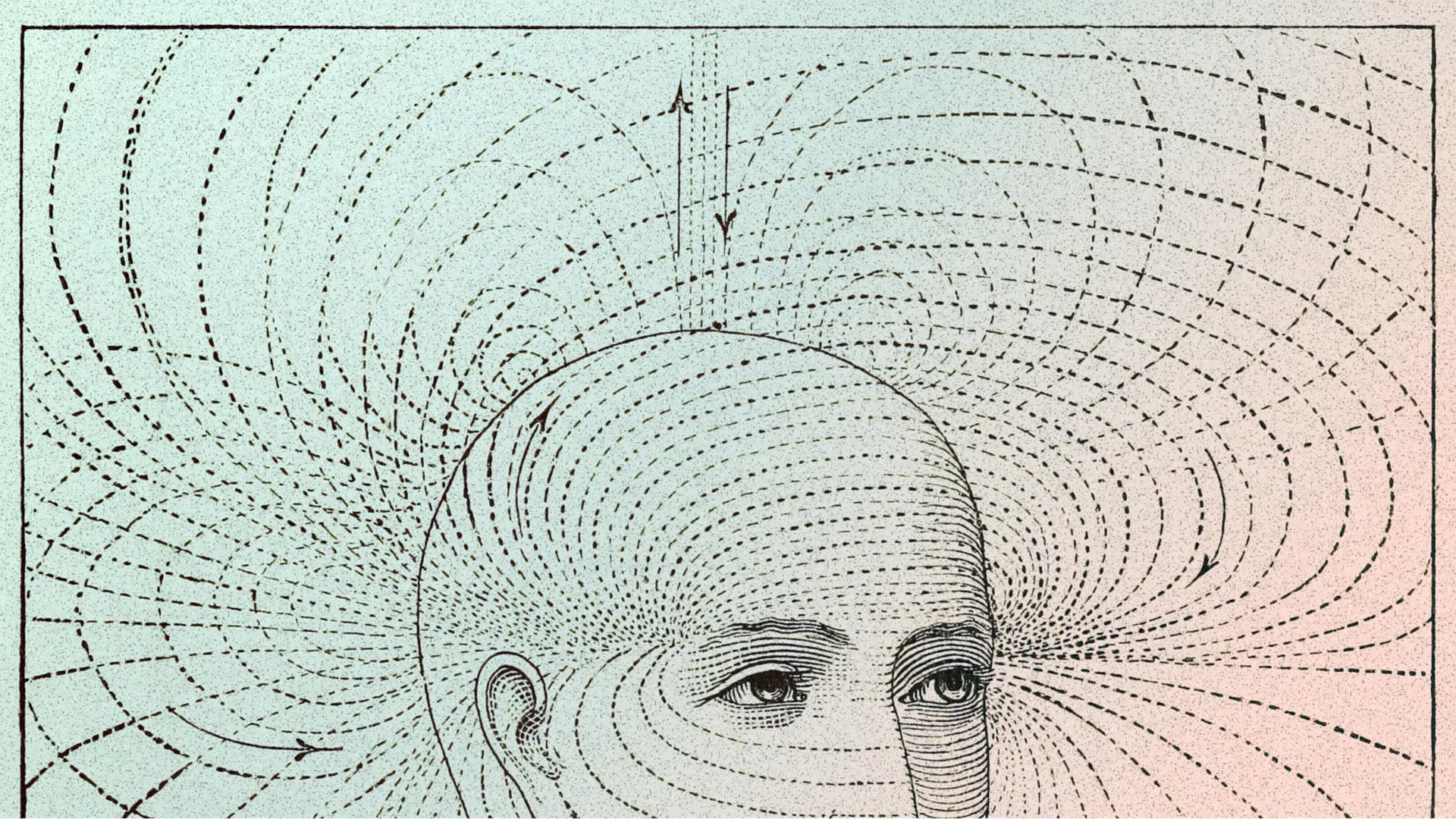
In a new study, SFI Professor David Wolpert, SFI Fractal Faculty member Carlo Rovelli, and physicist Jordan Scharnhorst take a fresh look at a famous and unsettling idea in physics and cosmology known as the "Boltzmann brain" hypothesis. This concept suggests that our memories, perceptions, and observations might not reflect a real past at all. Instead, they could have formed randomly through fluctuations in entropy, giving the appearance of a coherent history that never actually occurred. The puzzle comes from a deep tension within statistical physics. A key foundation for understanding why time seems to move in one direction is Boltzmann's H theorem, a central principle in statistical mechanics tied to the second law of thermodynamics. That law explains why entropy tends to increase over time, giving us a sense of past and future. However, the H theorem itself is time-symmetric, meaning it does not prefer one direction of time over another. This creates a surprising implication.…