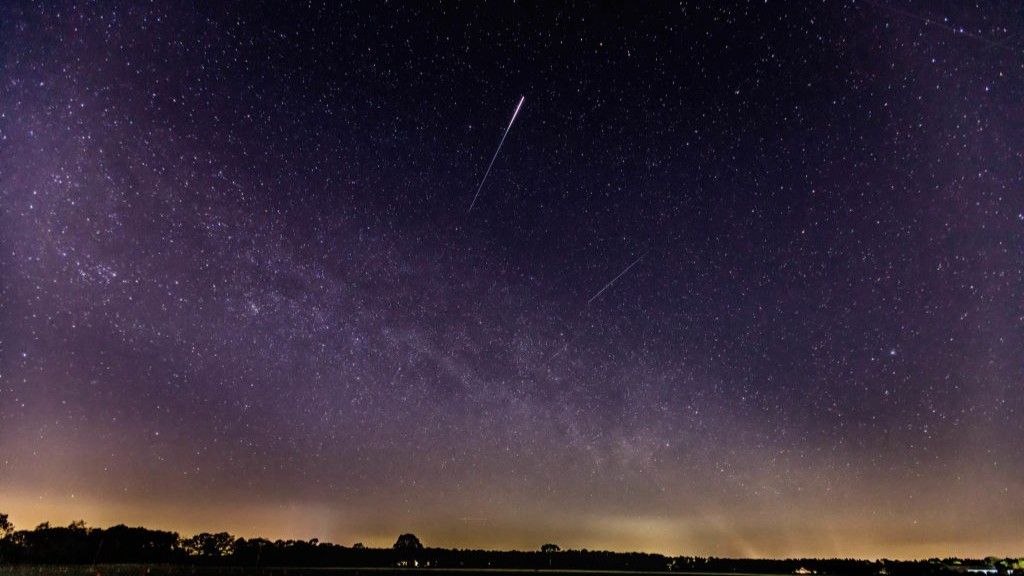
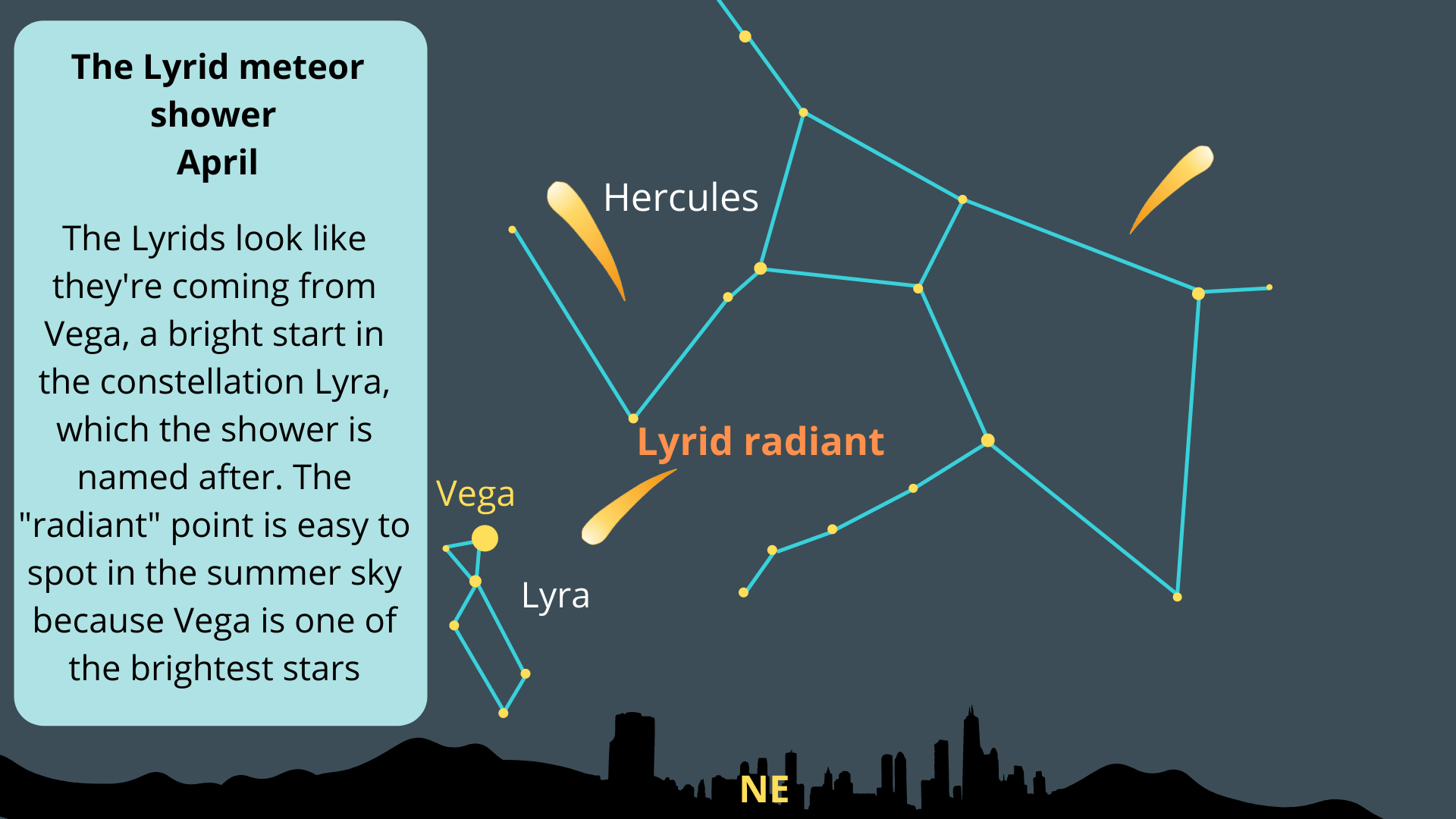
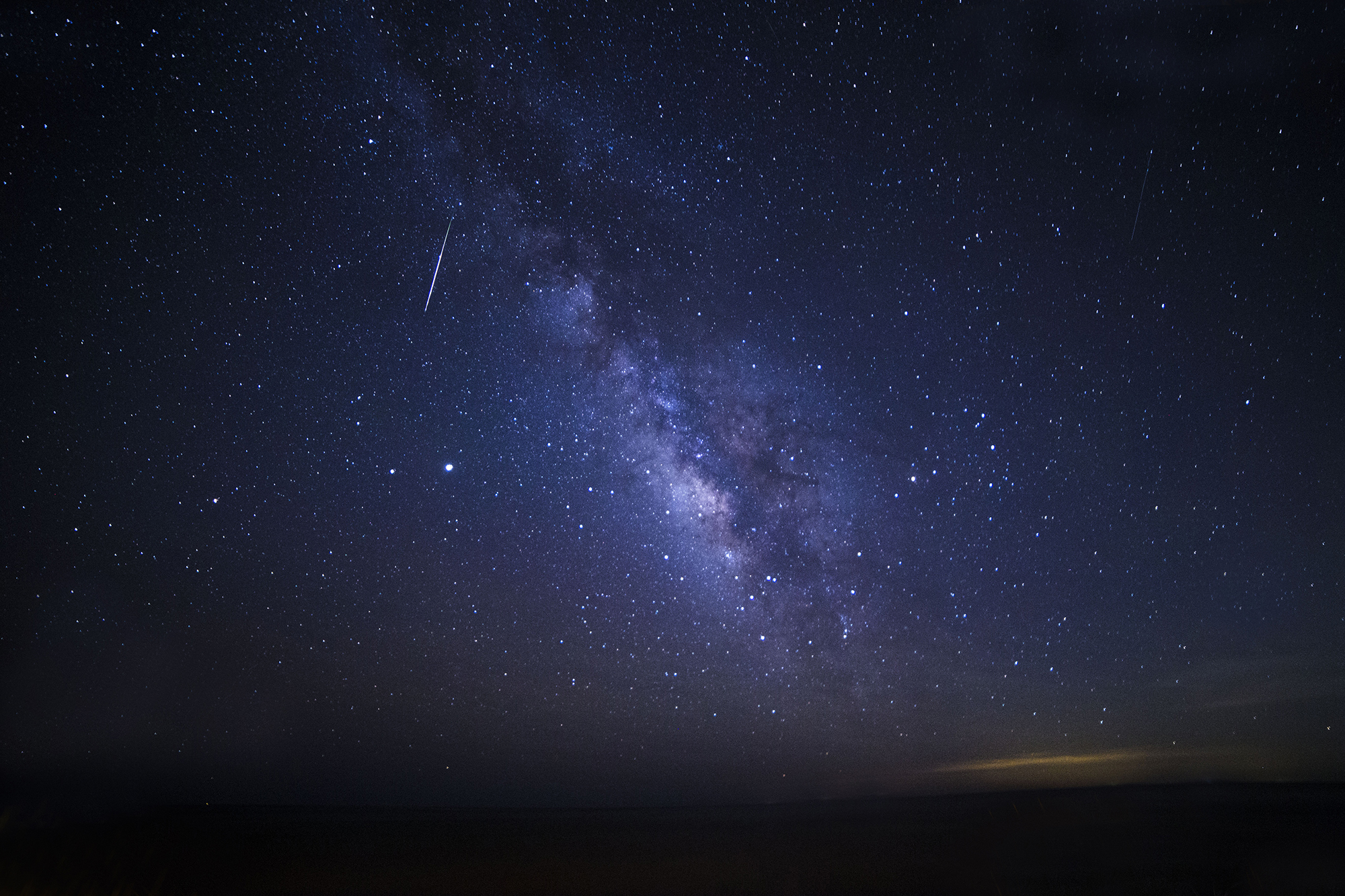
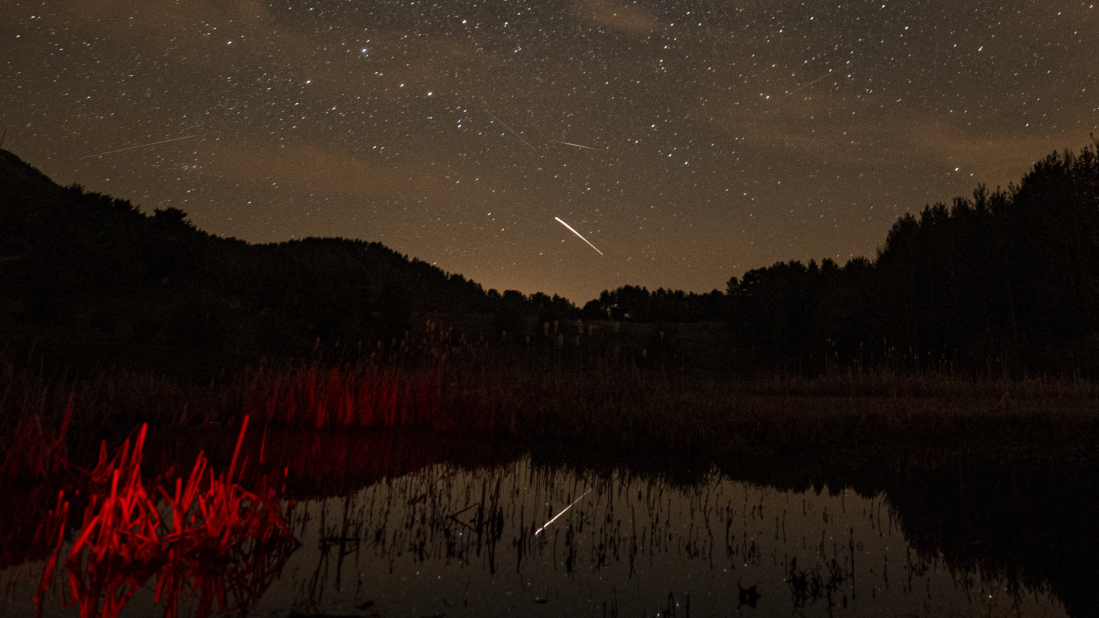
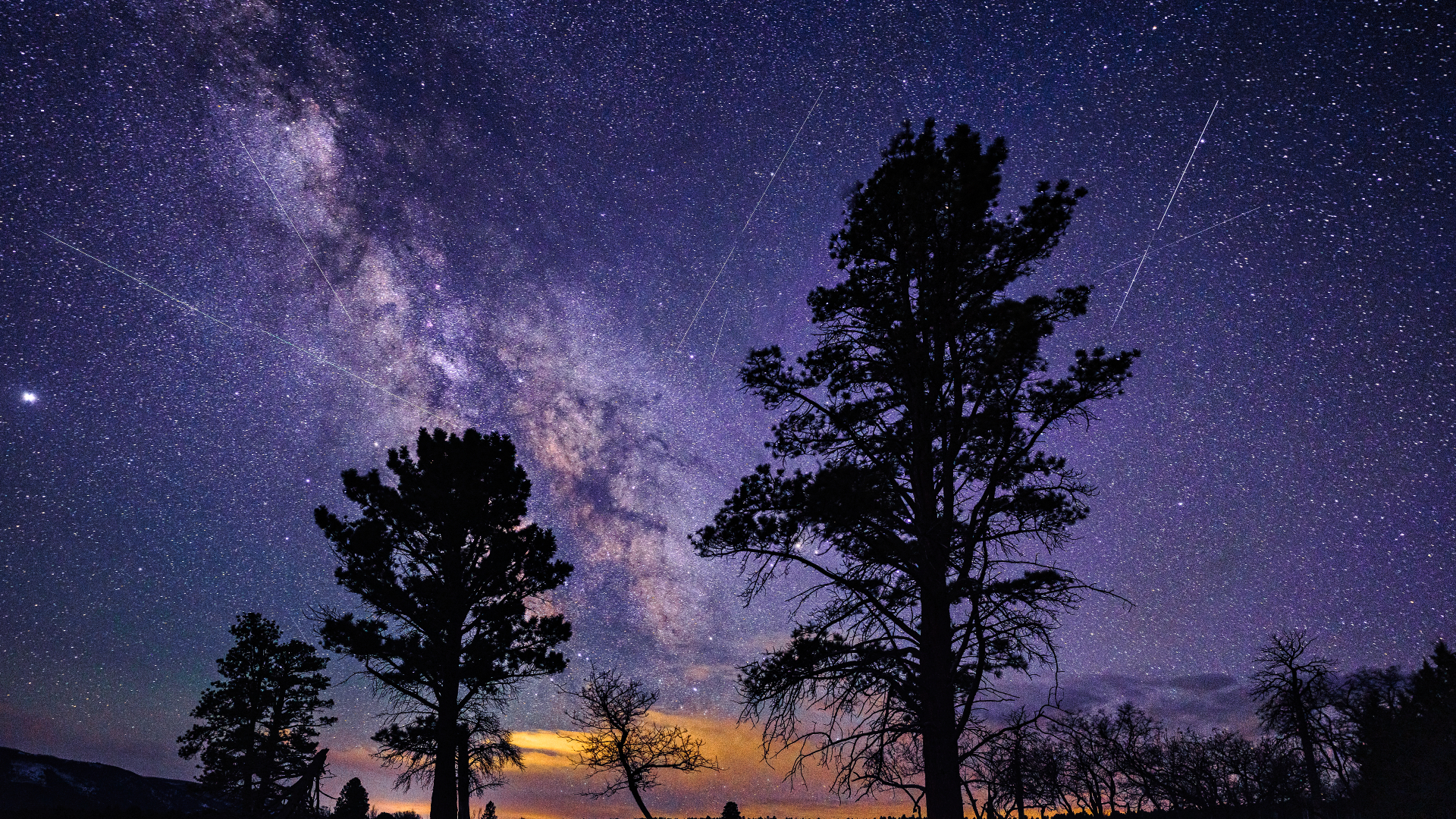
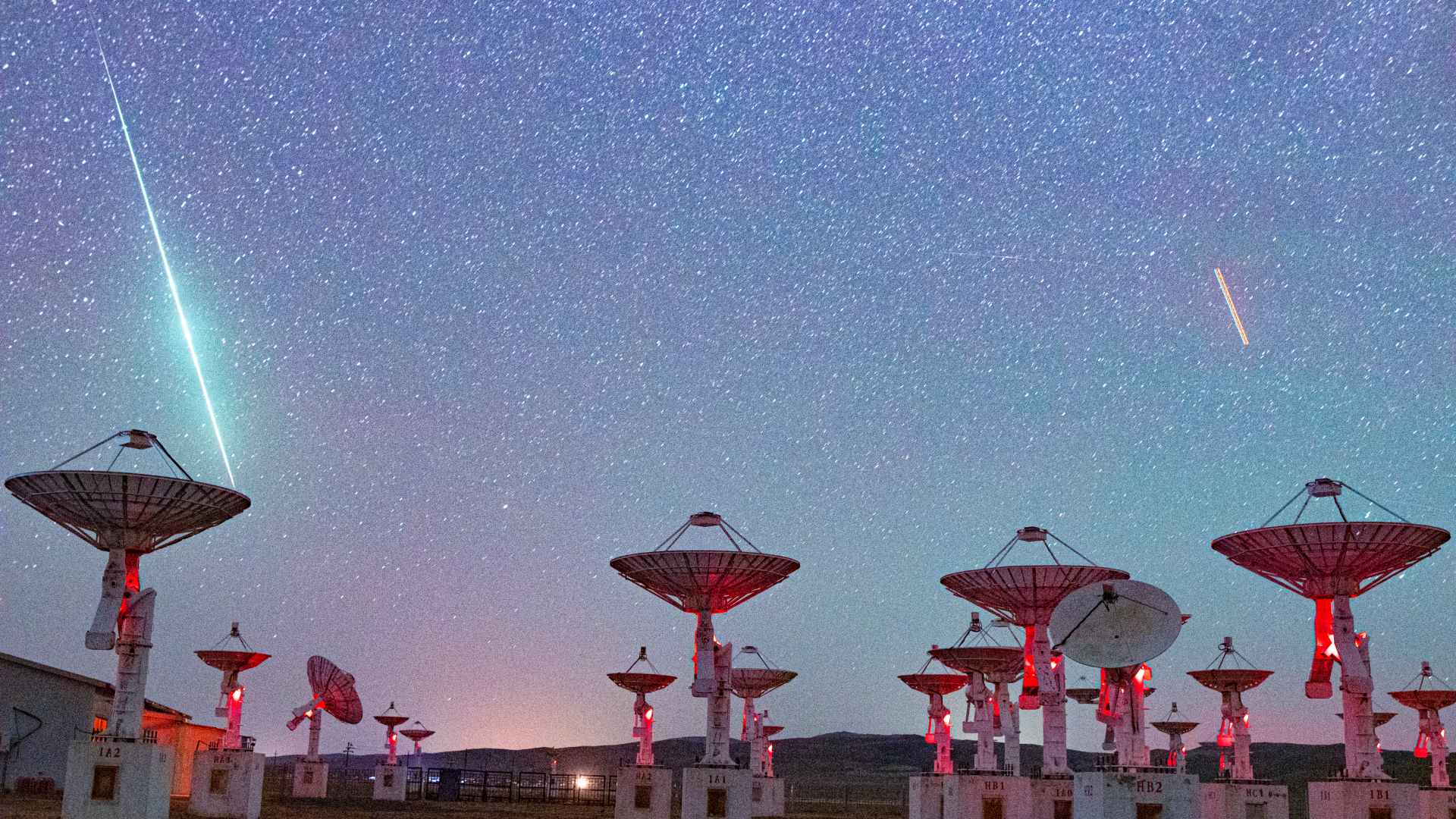
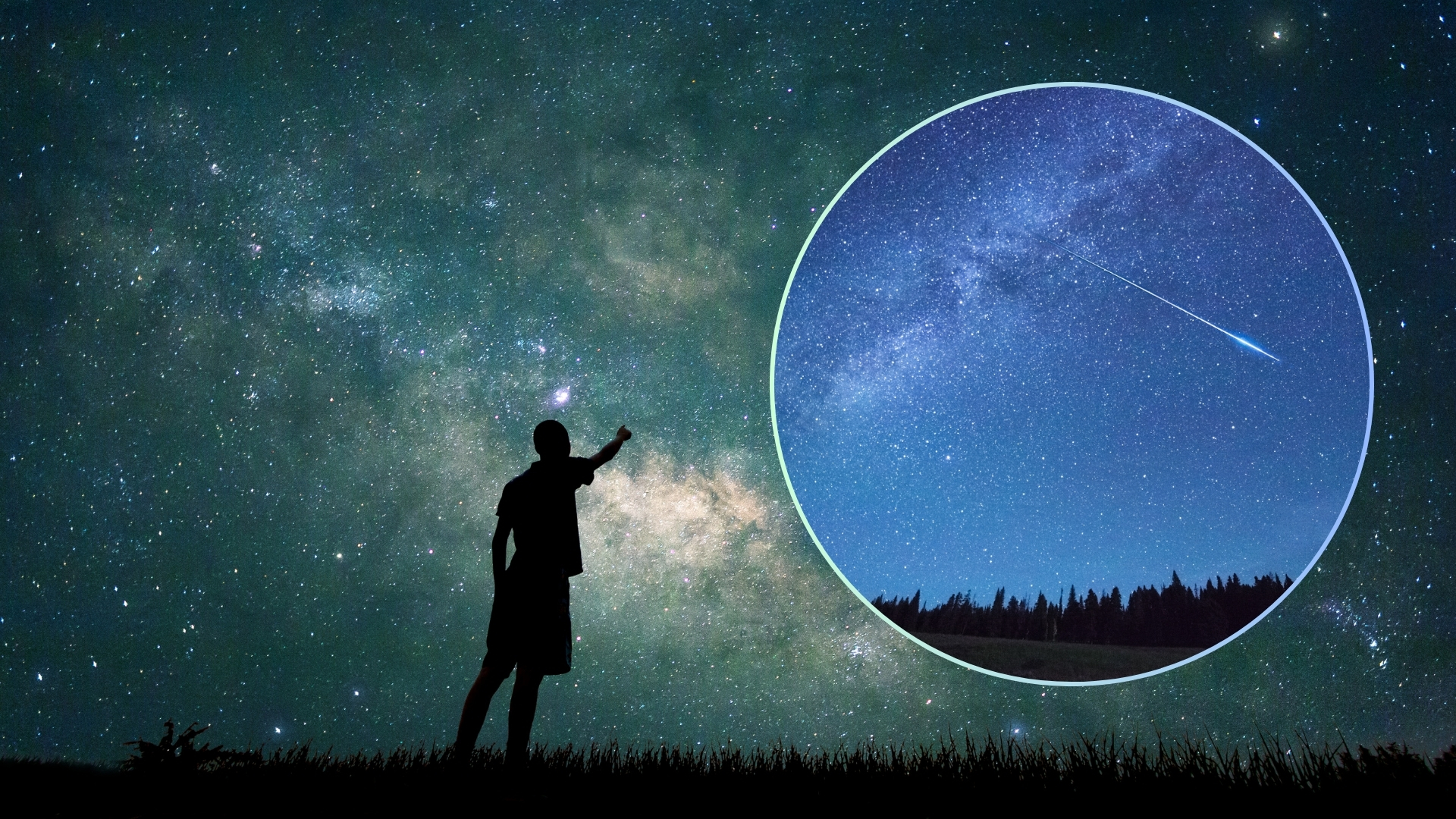
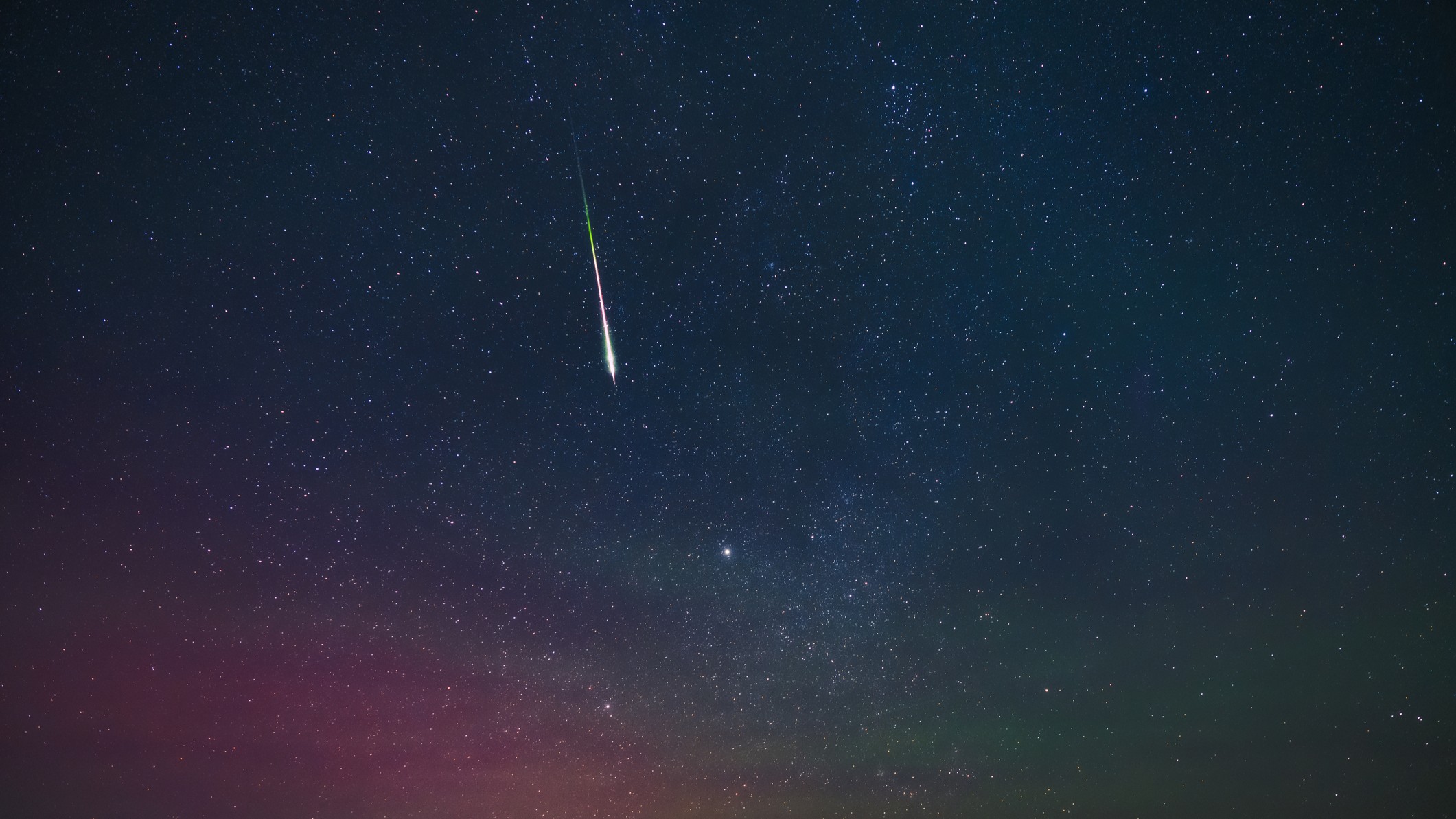
Lyrid meteor shower captured on April 22, 2020 from Schermbeck, Germany. (Image credit: Photo by Mario Hommes/DeFodi Images via Getty Images) For enthusiastic meteor watchers, it has been a long stretch — nearly 16 weeks to be exact — since there has been a good opportunity to catch sight of a reasonably good meteor shower. There are ten displays during the year that are generally considered reliable and worth looking for. But the last of these peaked in early January — the Quadrantid meteors. Since then, we've gone through the rest of winter and into the first month of spring with not much in the way of significant meteor activity. That drought will come to an end before dawn on Wednesday (April 22) with the appearance of one of the oldest known meteor showers . Article continues below Good viewing circumstances At the peak, which comes on Wednesday morning, the Lyrid rate is roughly 10 to 20 per hour. Vega appears to rise from the northeast around 9 p.m.…