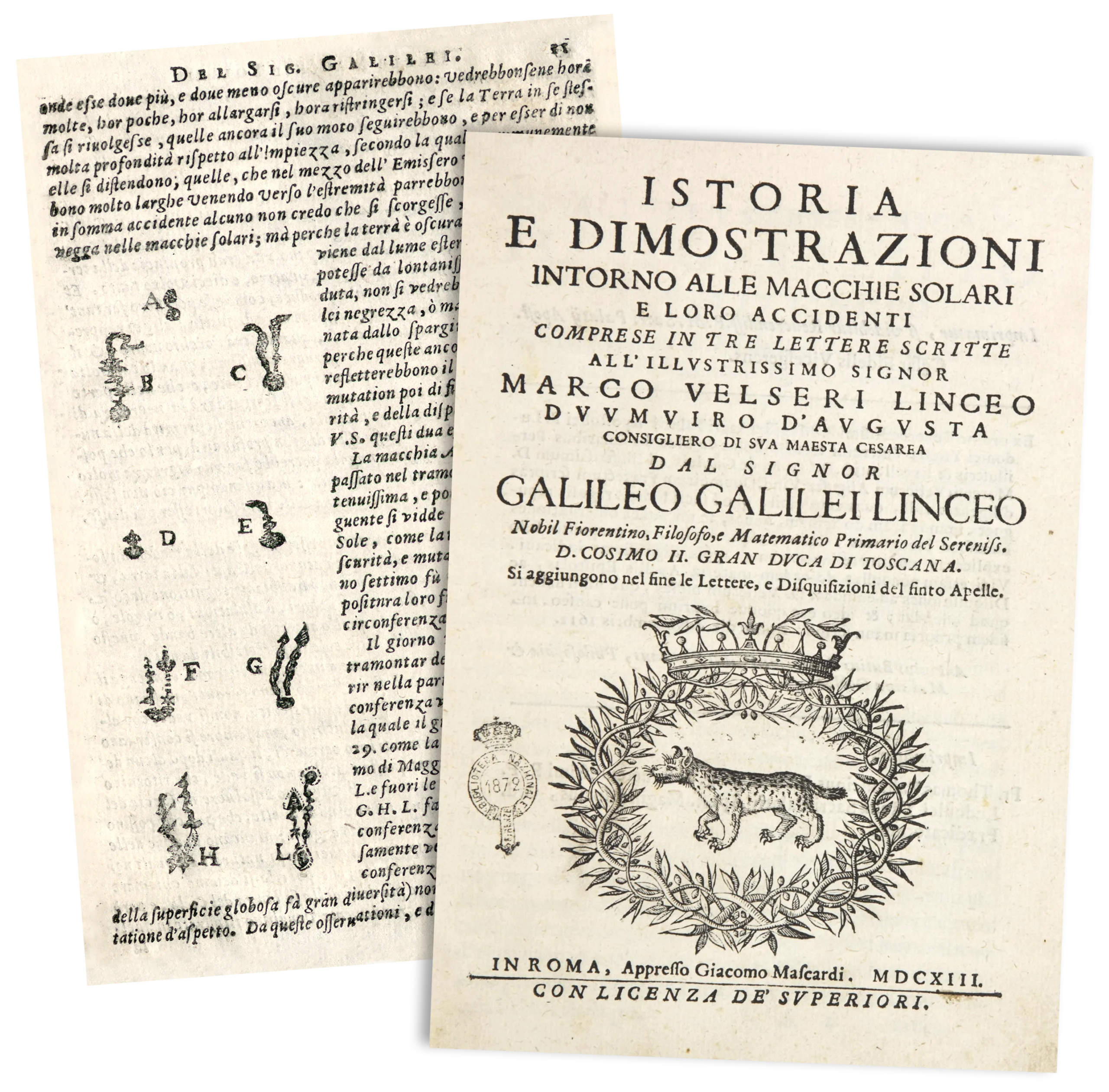
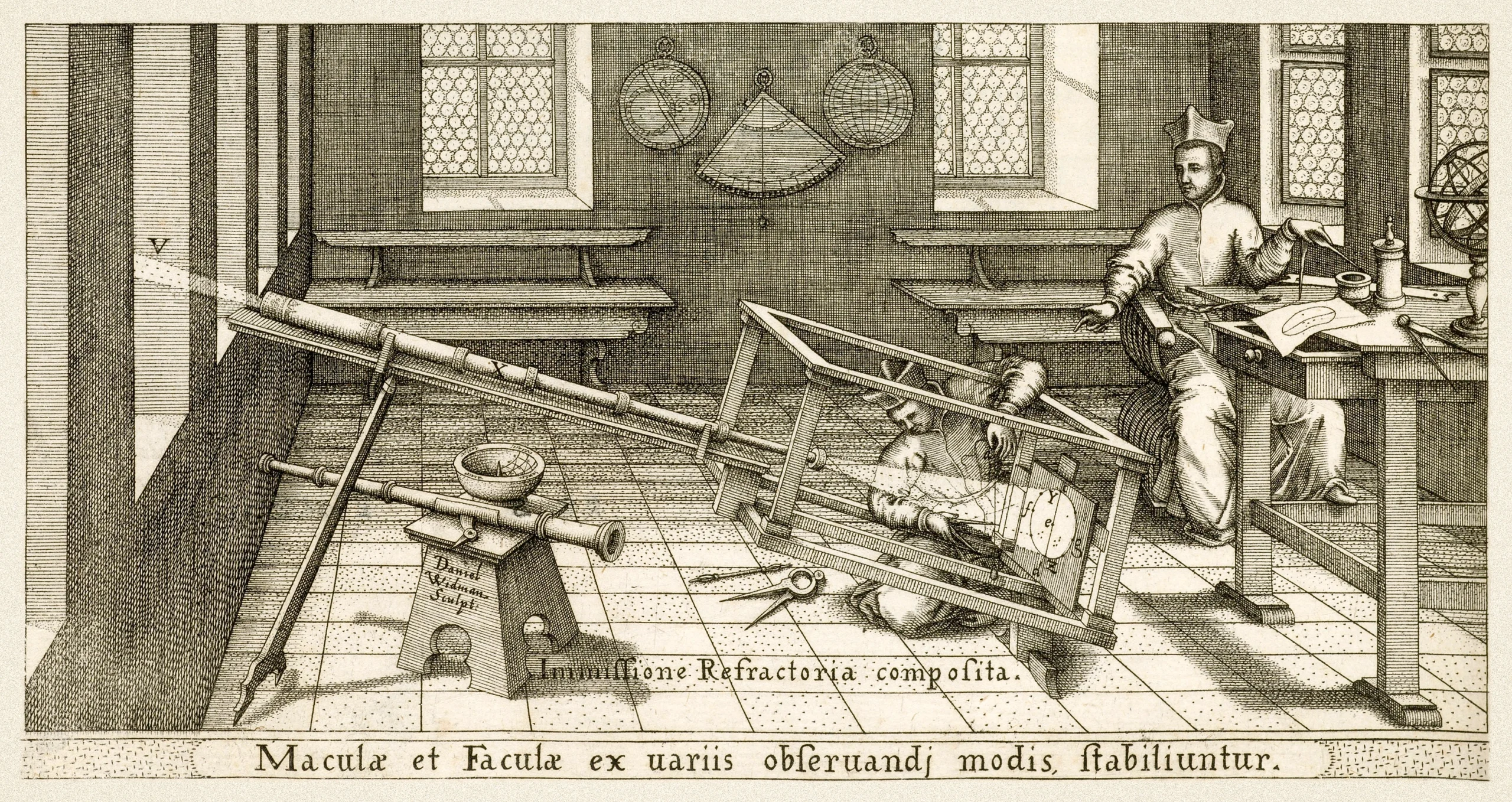
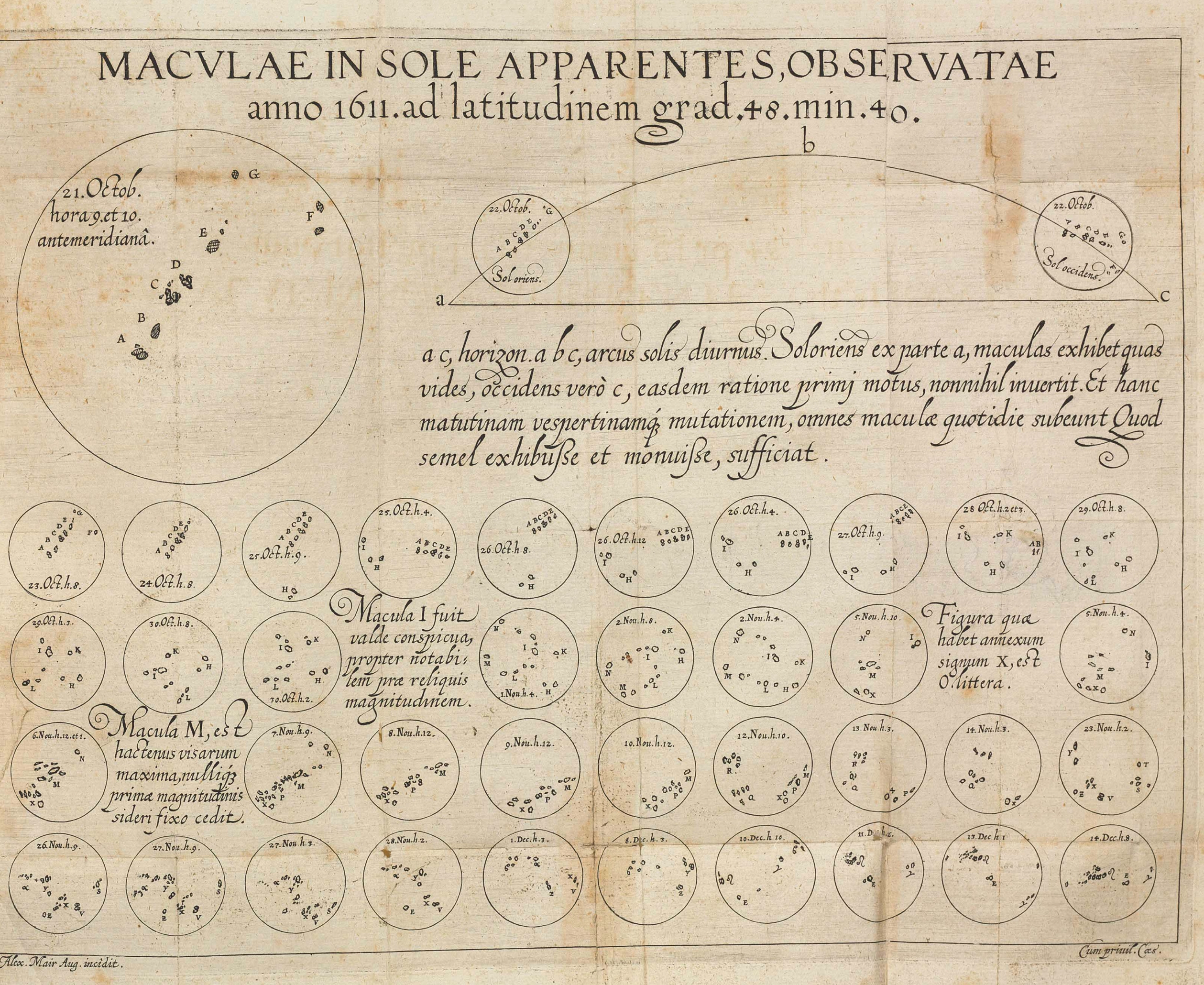
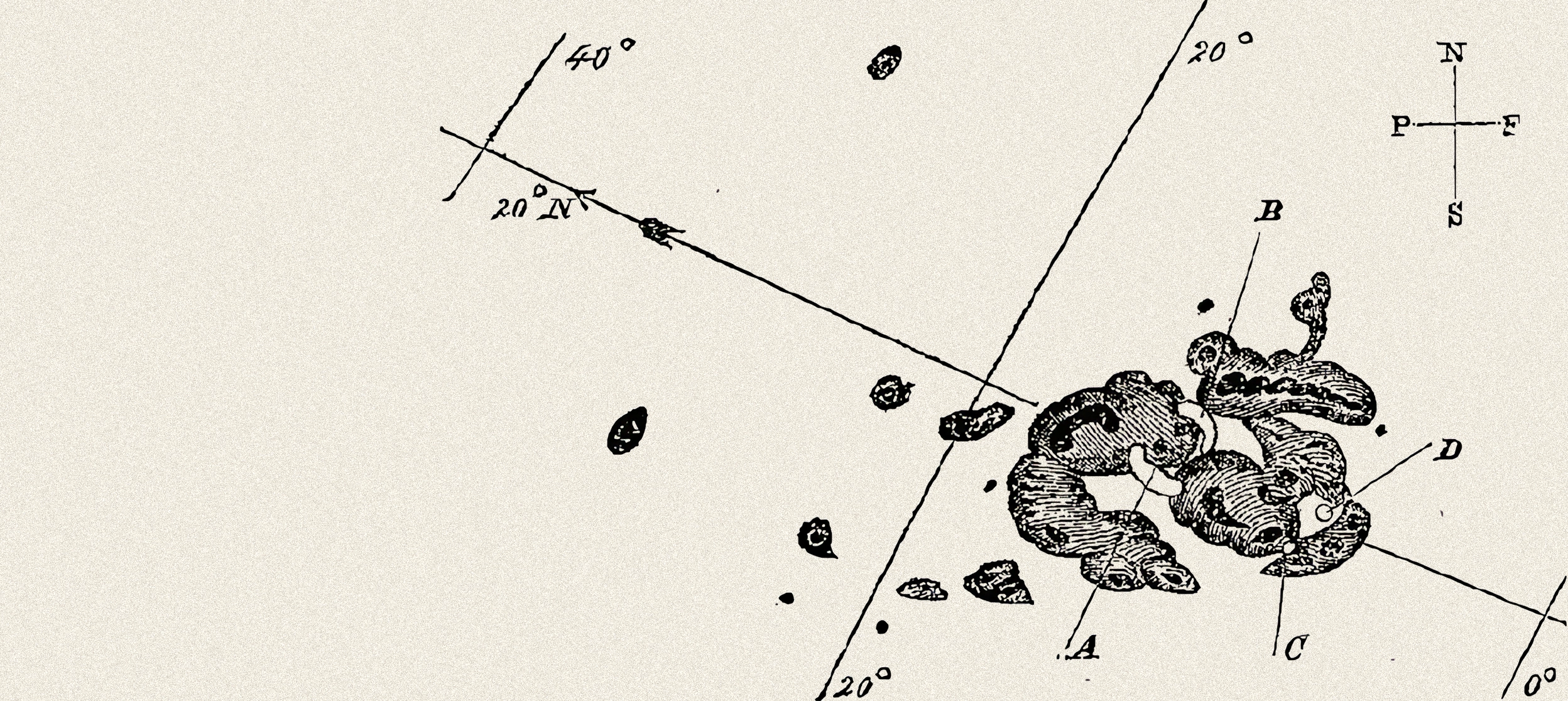
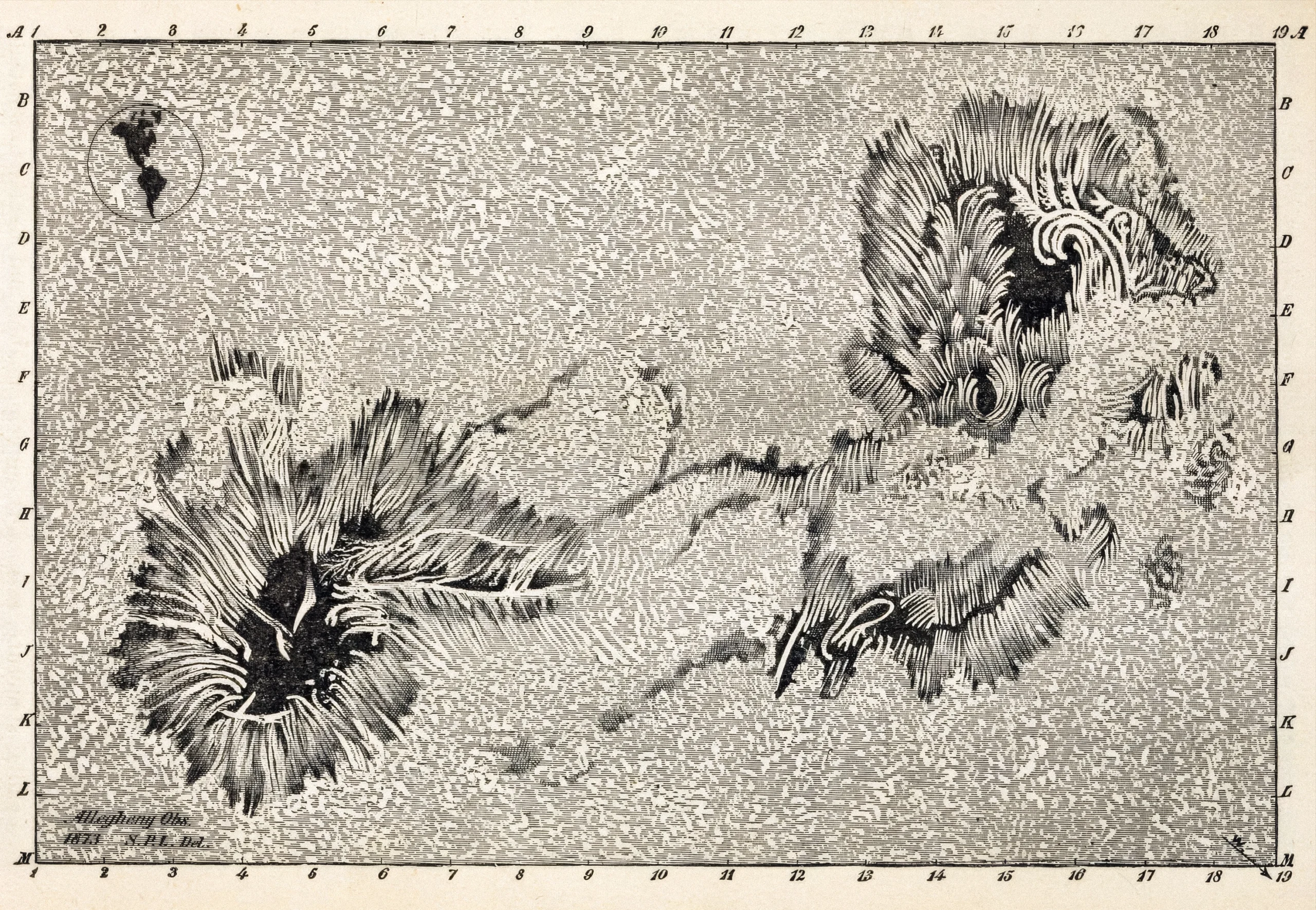
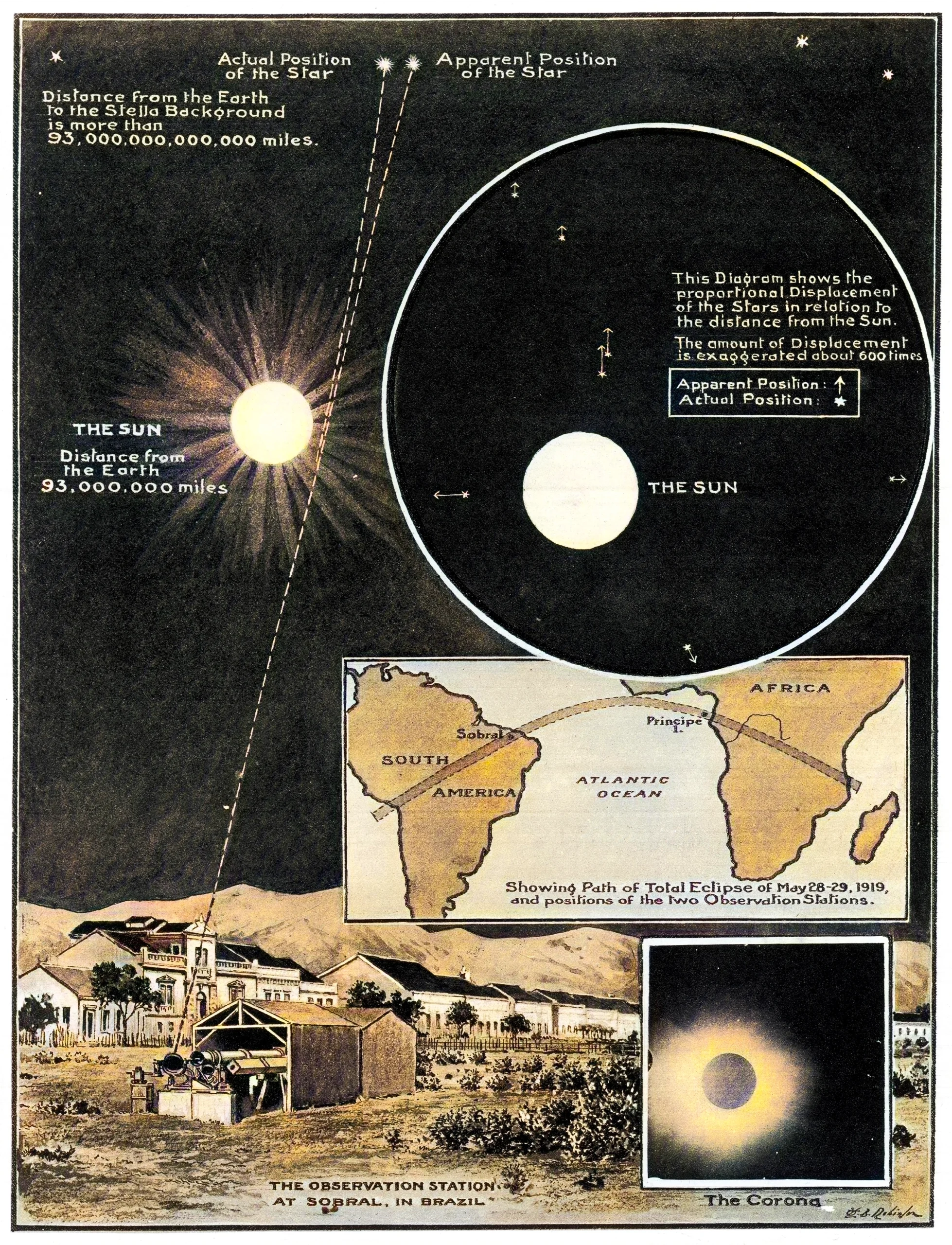
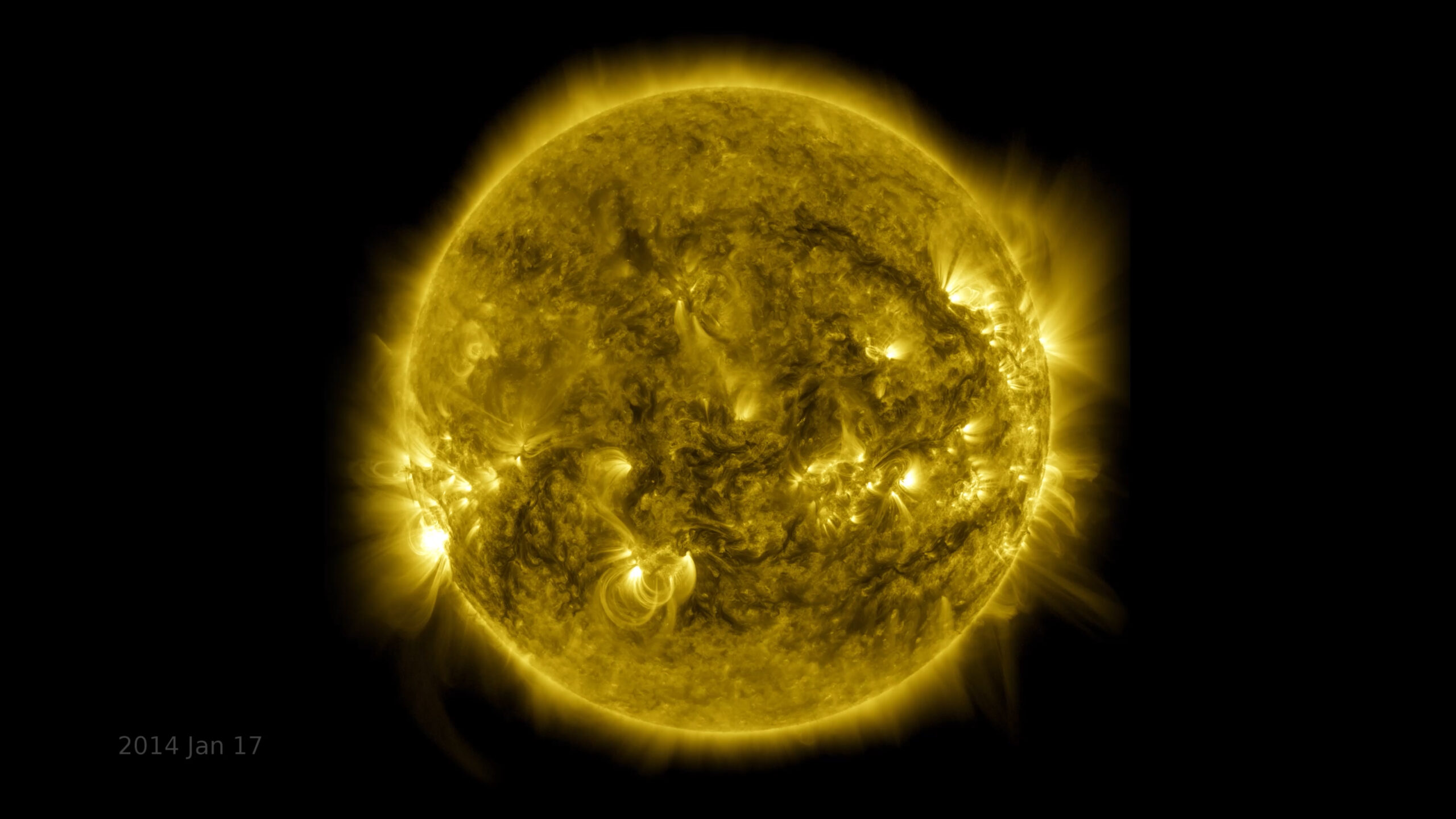
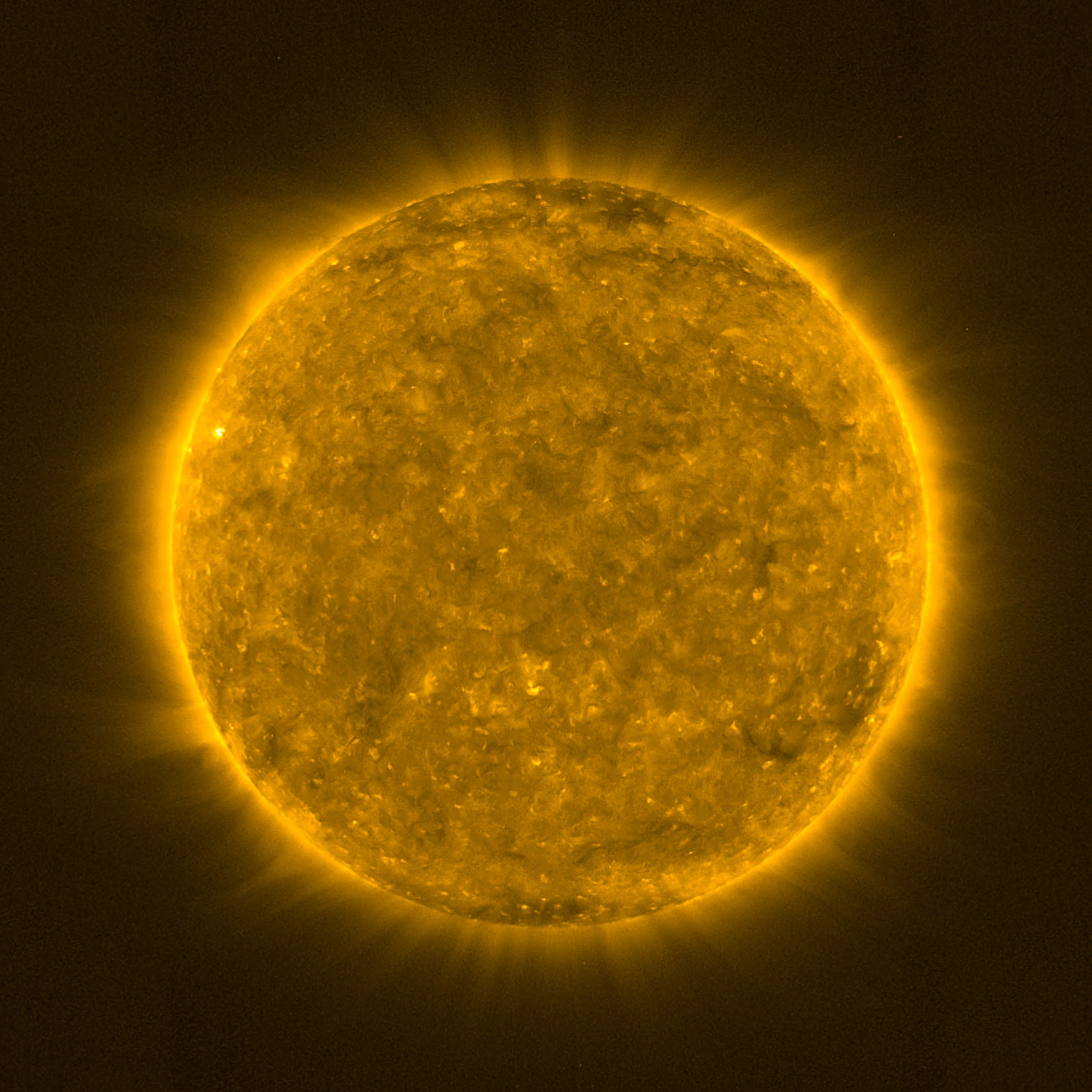
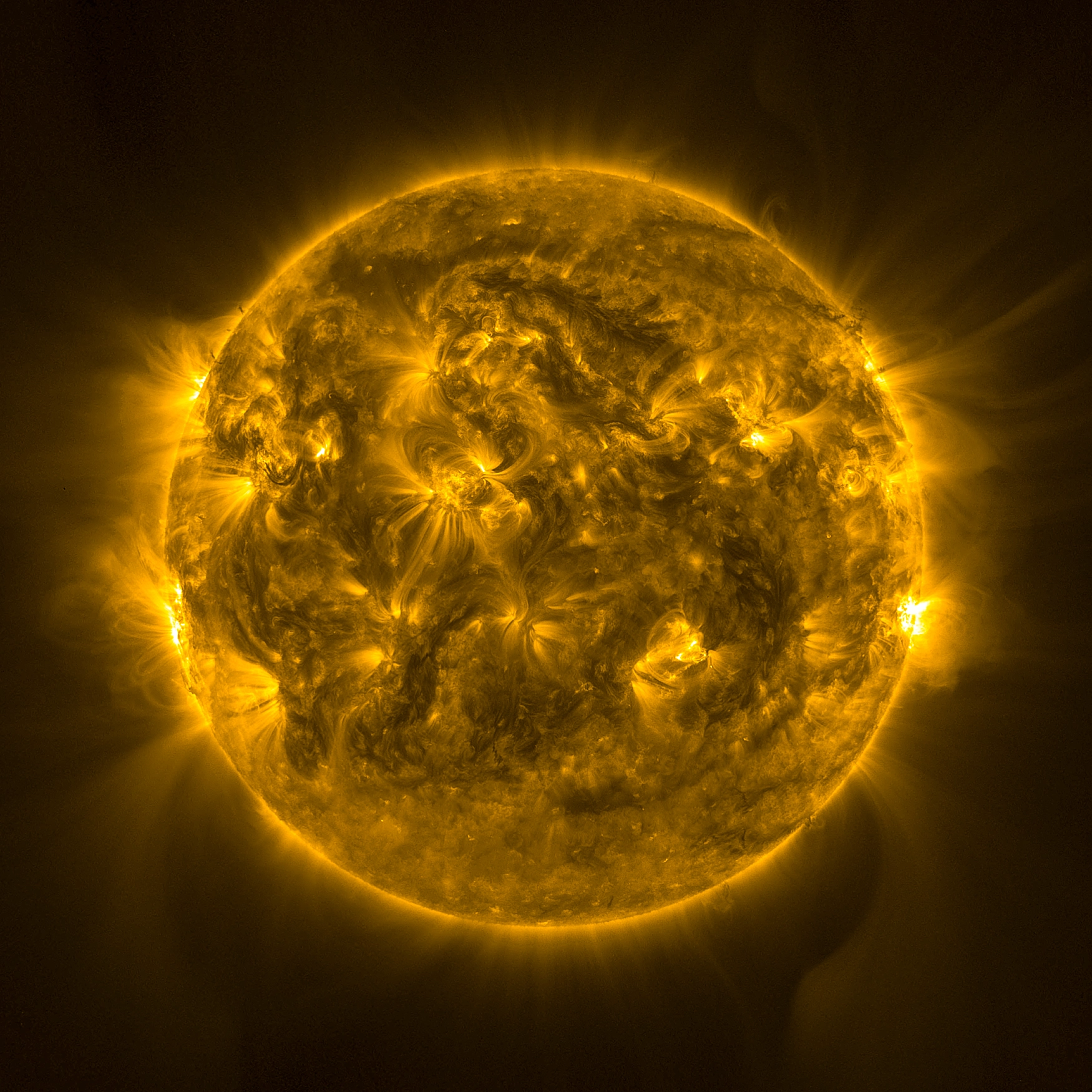
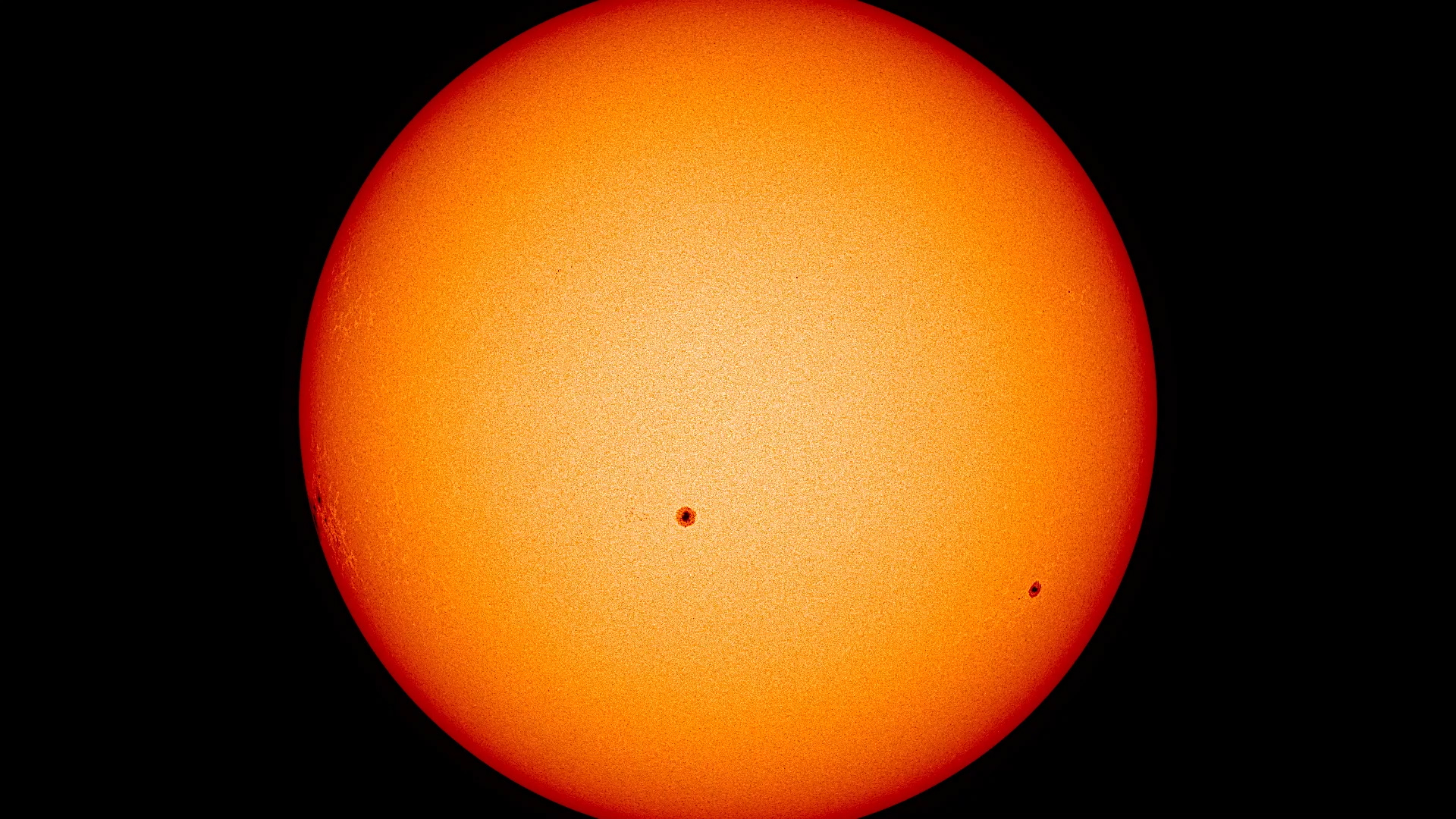
Over hundreds of years, increasingly sophisticated instruments have revealed — and continue to reveal — the secrets of our star. T he sun is one of the most studied objects in the history of science. The ancient Babylonians and Chinese tracked sunspots and solar eclipses, etching their observations into clay tablets; these records would outlast their civilizations. When the telescope arrived in the early 1600s, astronomers such as Galileo Galilei, Christoph Scheiner, and Johannes Fabricius turned these instruments toward this nearest star, projected the image onto paper, and saw dark blemishes drifting slowly across the solar surface. In the 1800s, our ability to understand the sun’s composition launched a new era of solar science. Spectroscopy could split light emitted from objects into a kind of barcode that characterized elemental makeup. Armed with this method, Pierre Janssen and Norman Lockyer independently found lines in the sun’s spectrum that didn’t match any known element on Earth.…