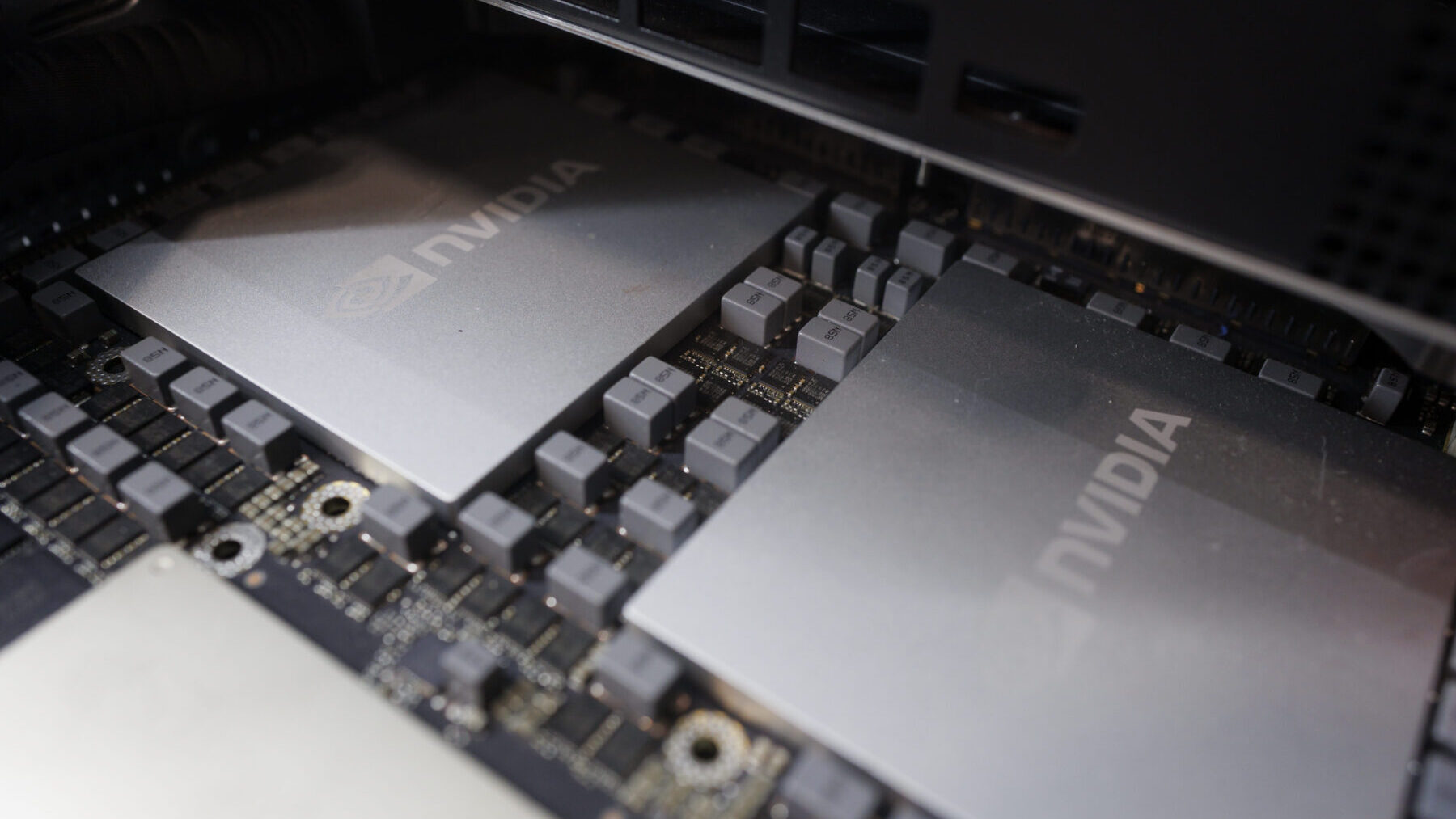
In production Kubernetes environments, the difference between model requirements and GPU size creates inefficiencies. Lightweight automatic speech recognition (ASR) or text-to-speech (TTS) models may require only 10 GB of VRAM, yet occupy an entire GPU in standard Kubernetes deployments. Because the scheduler maps a model to one or more GPUs and can’t easily share across GPUs across models, expensive compute resources often remain underutilized. Solving this isn’t just about cost reduction—it’s about optimizing cluster density to serve more concurrent users on the same world-class hardware. This guide details how to implement and benchmark GPU partitioning strategies, specifically NVIDIA Multi-Instance GPU (MIG) and time-slicing to fully use compute resources.…