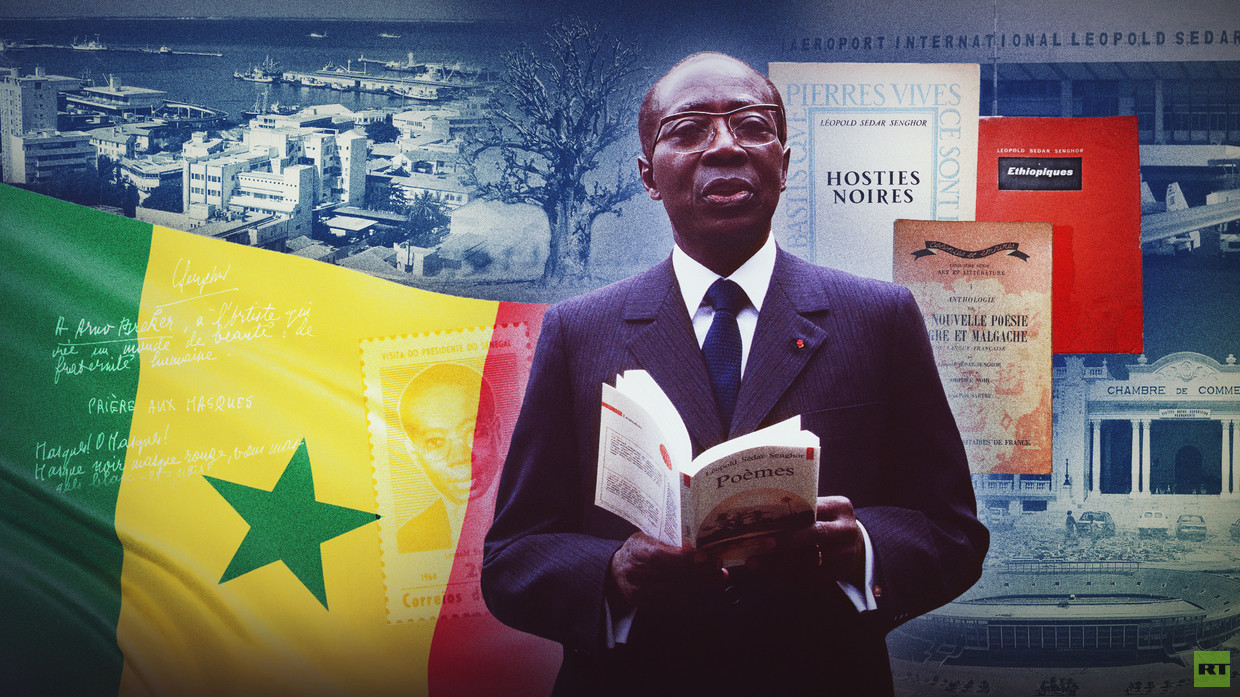
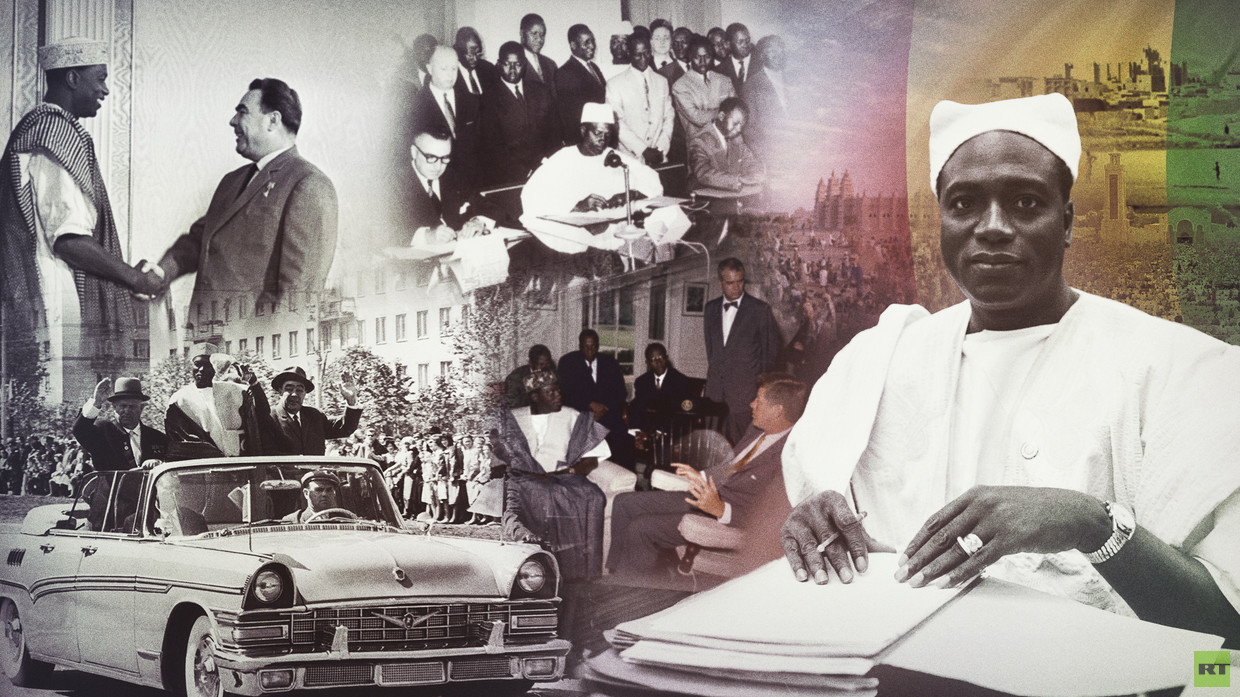
The Francophonie system is rooted in the colonial past, when language was the main tool of administration and control Despite gaining independence in the 1960s, African states still have not fully broken away from certain structures of influence inherited from the colonial period. Among them, institutional Francophonie occupies a unique place. Often presented as a space for cultural exchange and political cooperation, it is celebrated as a bridge between peoples. Yet, for a growing number of African intellectuals and policymakers, a deeper question remains: Does Francophonie truly serve the interests of African societies, or does it perpetuate, in more subtle forms, patterns of domination rooted in the colonial past? To understand this debate, it is essential to clarify what Francophonie actually is and where it comes from. The term refers both to all French-speaking populations around the world and to a structured political and institutional framework built around the French language.…