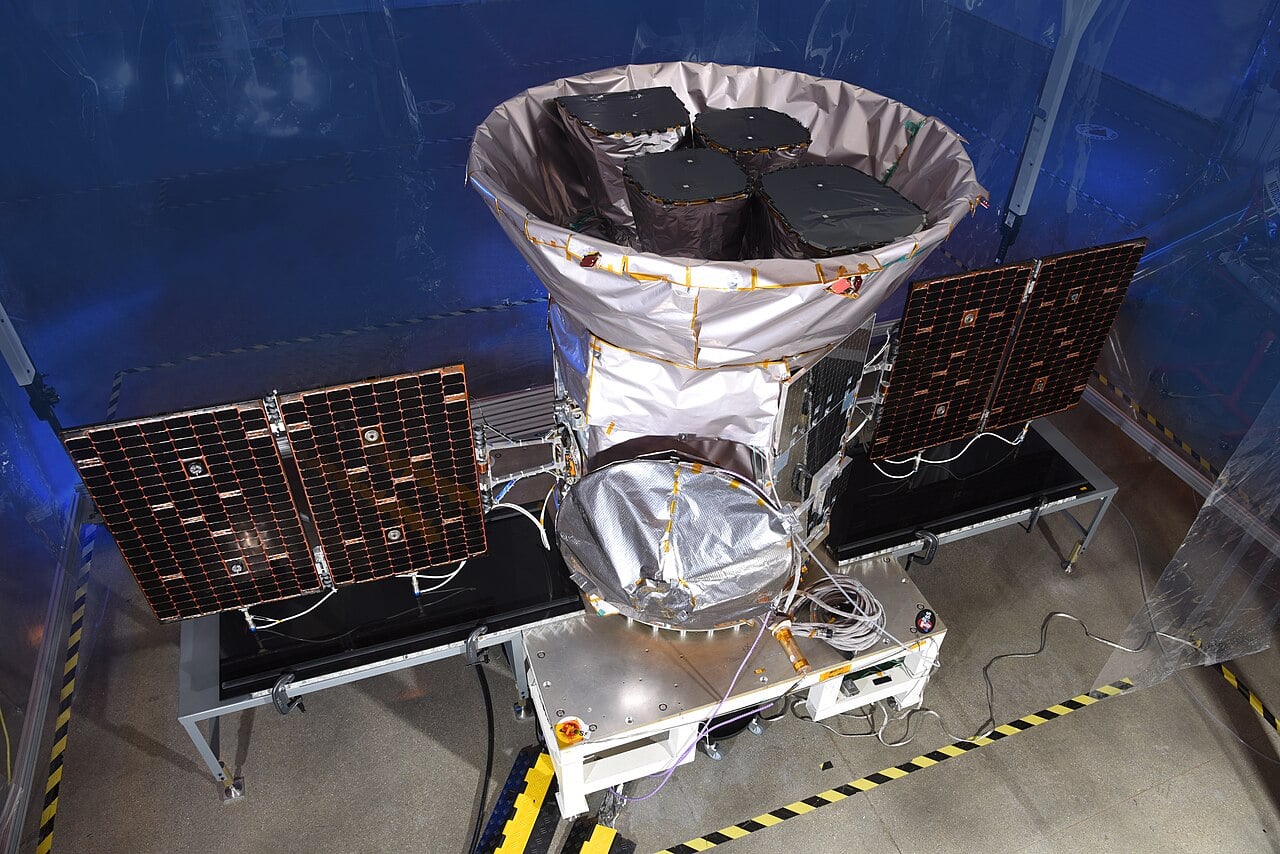
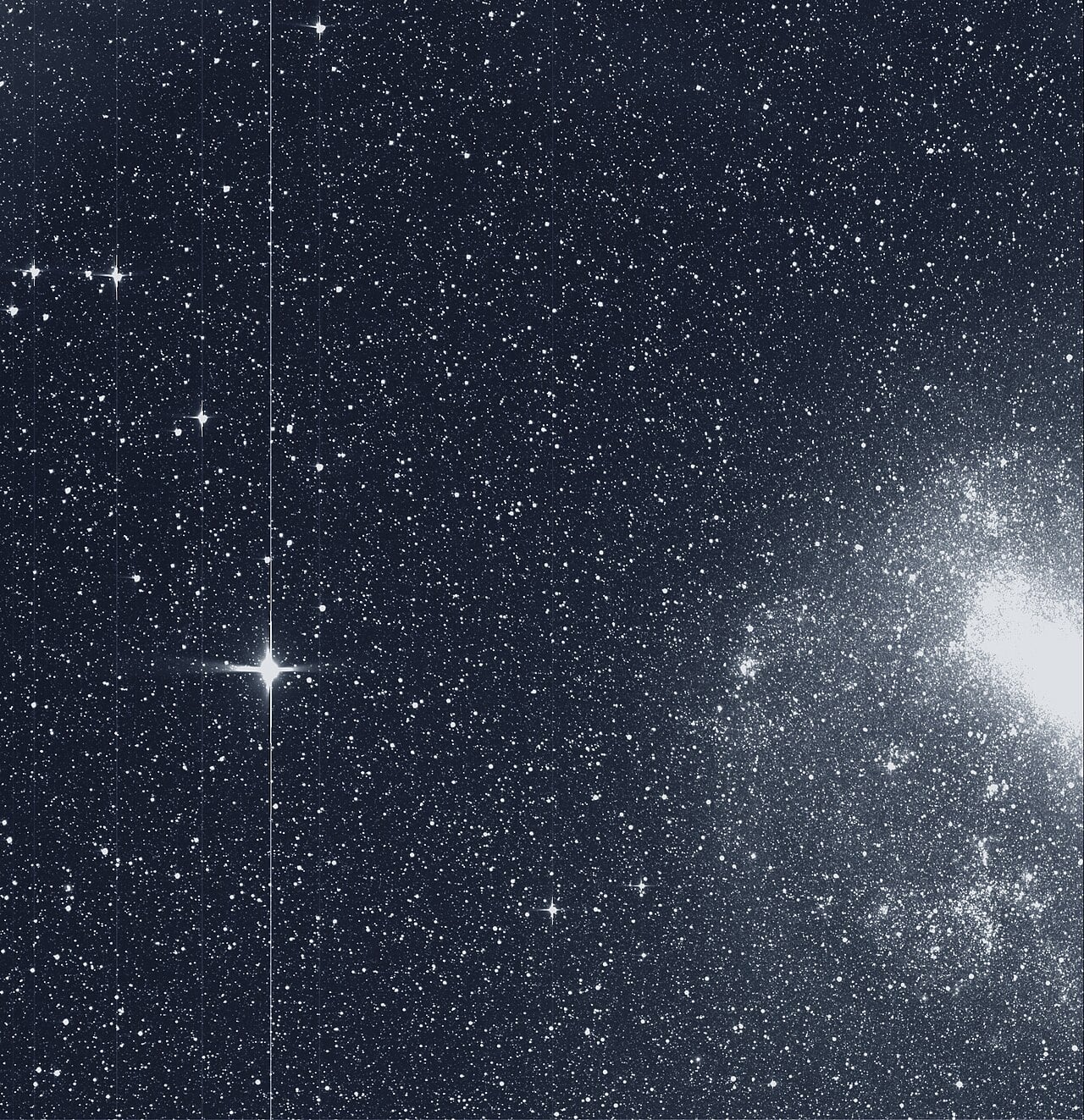
Finding planets used to be a painstaking business. Astronomers would fix their gaze on a handful of carefully chosen stars, watch and wait, and hope to catch the faint dip in starlight that signals a world passing in front of its host. It worked. It worked brilliantly. But it also meant we were fishing with a very small net in a very big ocean. A team led by researchers at Princeton University has turned NASA's TESS space telescope into something altogether more ambitious, a systematic planet hunting machine capable of scanning not thousands but tens of millions of stars in a single sweep. Their project, called T16, has processed the light curves of 83,717,159 stars observed during the first year of TESS operations, reaching deep into the sky to stars sixteen times fainter than those typically targeted by official TESS searches. First light from TESS captured on 7 August 2018 (Credit : NASA/MIT/TESS) Most planet searches focus on bright, nearby stars because they are easier to study in detail.…