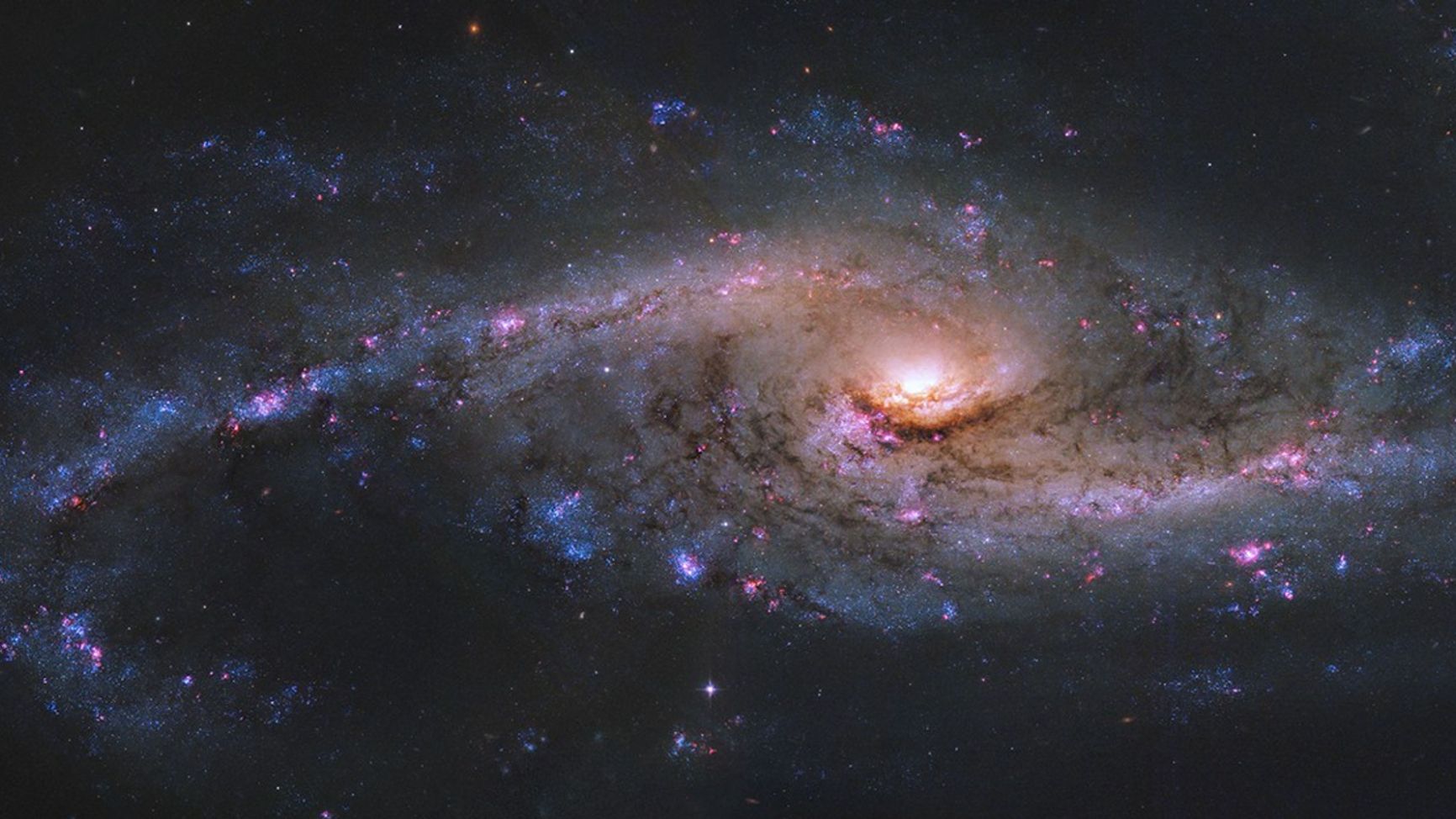
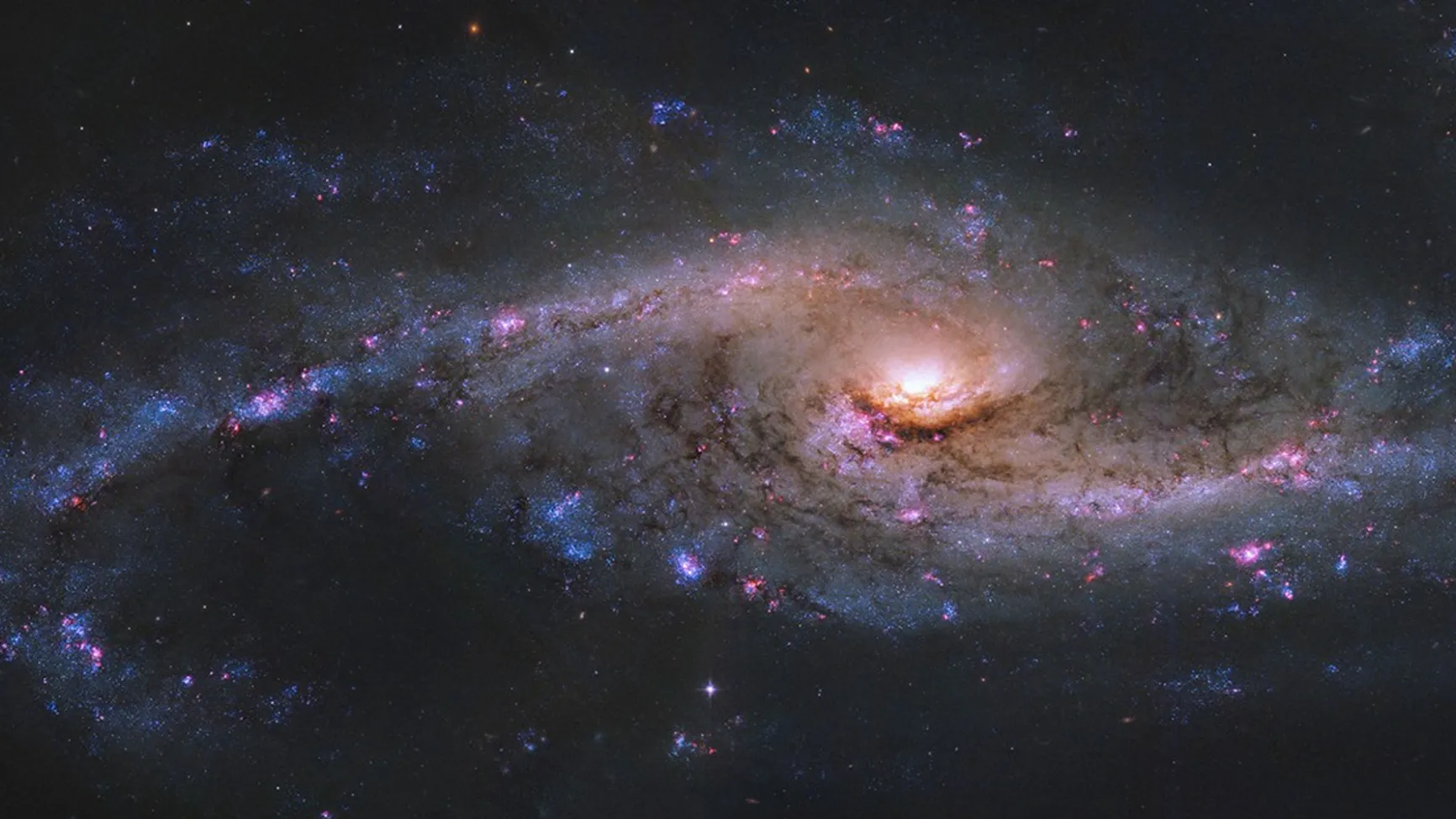
The starburst galaxy NGC 4536, seen here in a photo by the Hubble Space Telescope, has bright blue clusters of baby stars and pink clumps of ionized hydrogen gas speckled throughout its sweeping spiral arms. (Image credit: NASA, ESA, and J. Lee (Space Telescope Science Institute); Processing: Gladys Kober (NASA/Catholic University of America)) A galaxy dying is not a gentle thing. Its star-making factories, once churning out millions of suns, grind to a halt. Rather than a slow fade, it's a sudden, striking shutdown, a phenomenon astronomers call rapid quenching. Such phenomena are the mysteries of what we call post-starburst galaxies , which present some of the most compelling, yet often overlooked, stories unfolding across the universe . For astronomers, such systems are like cosmic crime scenes. They recently had a massive burst of star formation — a party of epic proportions — but now show almost no new stars being born.…