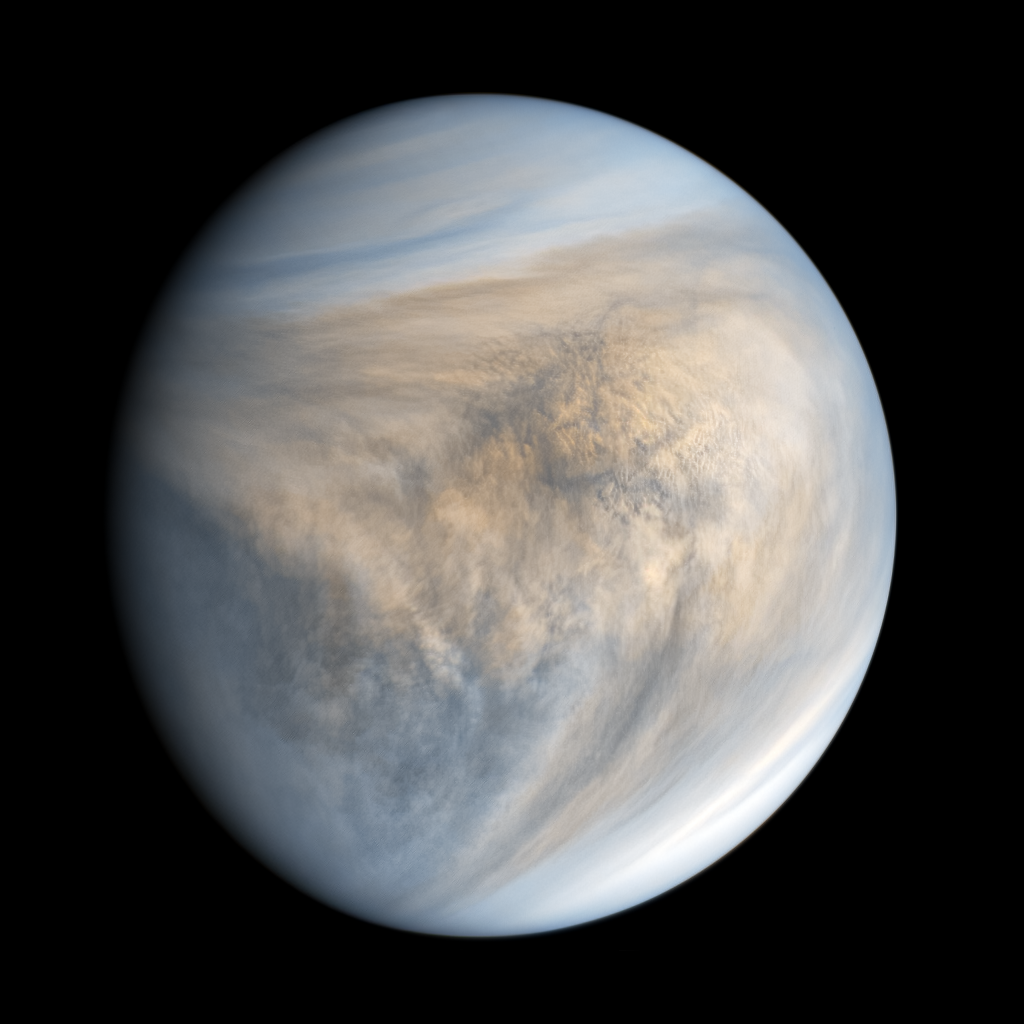
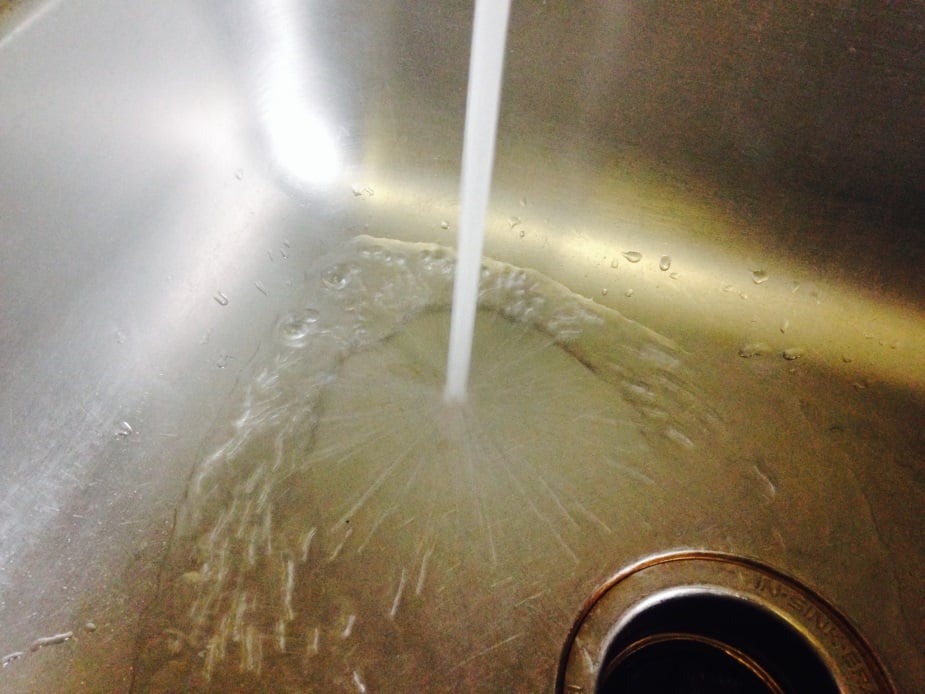
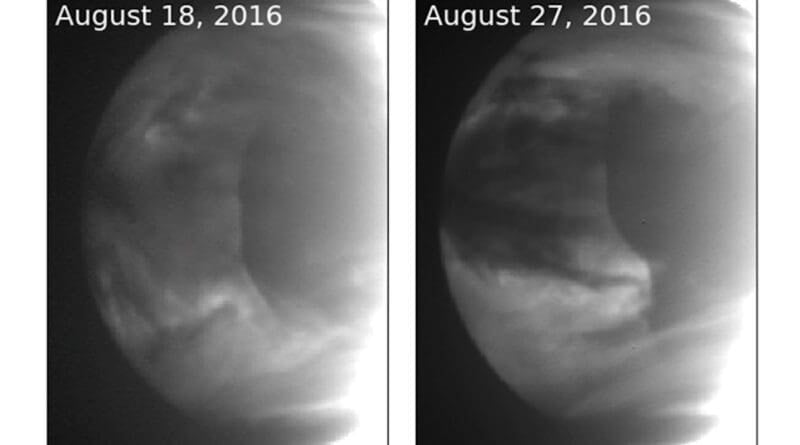
Turn on a tap and watch the water hit the sink basin. Right where it lands, the water is fast and thin. Then, just a centimetre or two out, it suddenly slows and thickens. That abrupt transition is called a hydraulic jump. It happens in an instant, it's entirely unremarkable, and it's the same process driving the largest atmospheric wave ever found in the Solar System and that wave is on Venus. In 2016, Japan's Akatsuki probe sent back images of something puzzling. A massive disturbance that was occasionally clocked at 6,000 kilometres wide that was sweeping repeatedly around Venus' equator. It moved through the planet's thick cloud layers, leaving a dark smear of denser cloud trailing behind it. Scientists could see it clearly but they just couldn't explain it. Hydraulic jump in a kitchen sink! (Credit : Katiey89) Venus is already one of the stranger places in our Solar System. Its clouds don't just drift they super-rotate, circling the planet at roughly 60 times the speed it spins.…