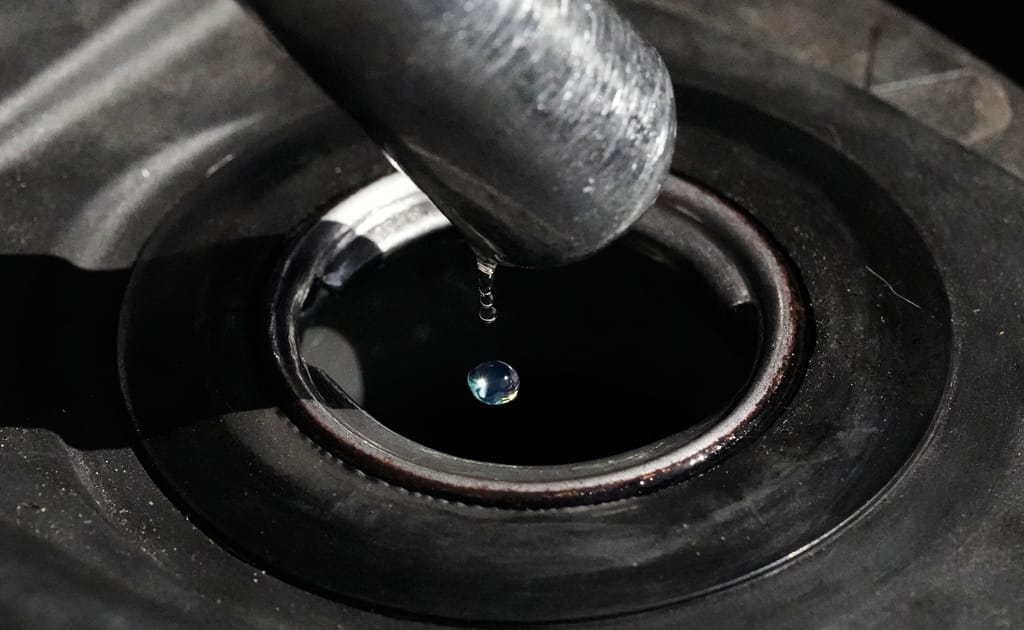
Second wave of energy shocks risks $299 billion hit and millions pushed into poverty Last updated: May 11, 2026 | 10:03 FILE - Gasoline drops from the nozzle of a fuel pump as it fills a motorcycle as prices continue to rise at a gasoline station in Quezon City, Philippines on March 19, 2026. (AP Photo/Aaron Favila, File) BANGKOK: Asia’s first defenses against energy shocks from the Iran war are running short and a more consequential second wave of impacts is beginning to hit. When the war started, governments scrambled to adapt to the closure of the Strait of Hormuz, a critical artery for energy flowing to Asia. They made difficult trade-offs: saving power at the risk of slowing businesses, prioritising gas for households at the risk of fertiliser production and dipping into energy stockpiles for temporary relief. But these measures were based on the war lasting only a short time, allowing a quick resumption of energy flows. That has not happened.…