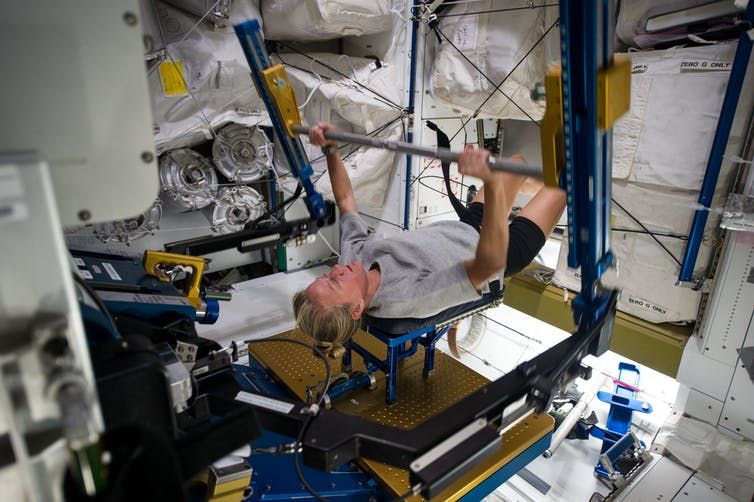
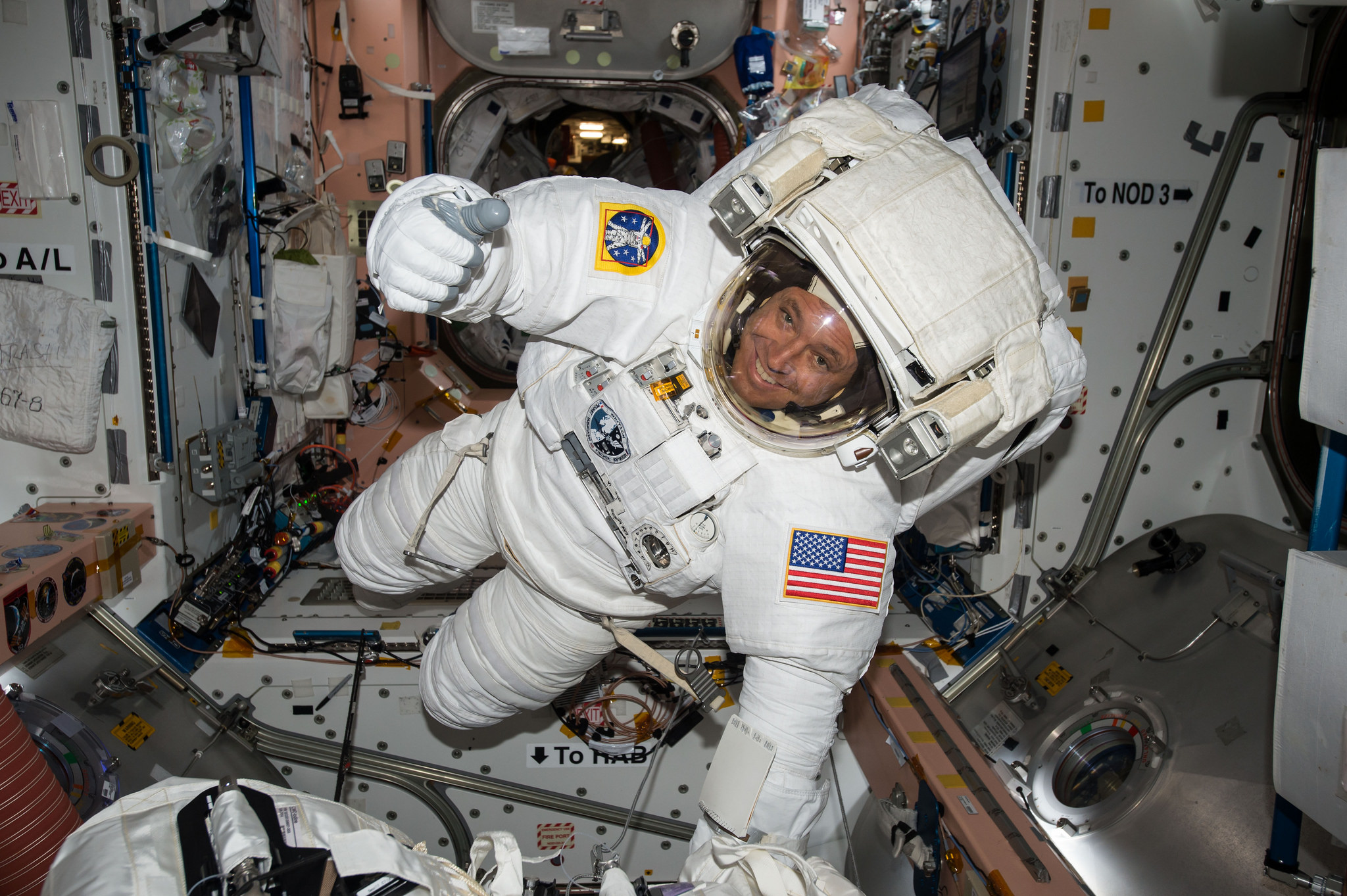
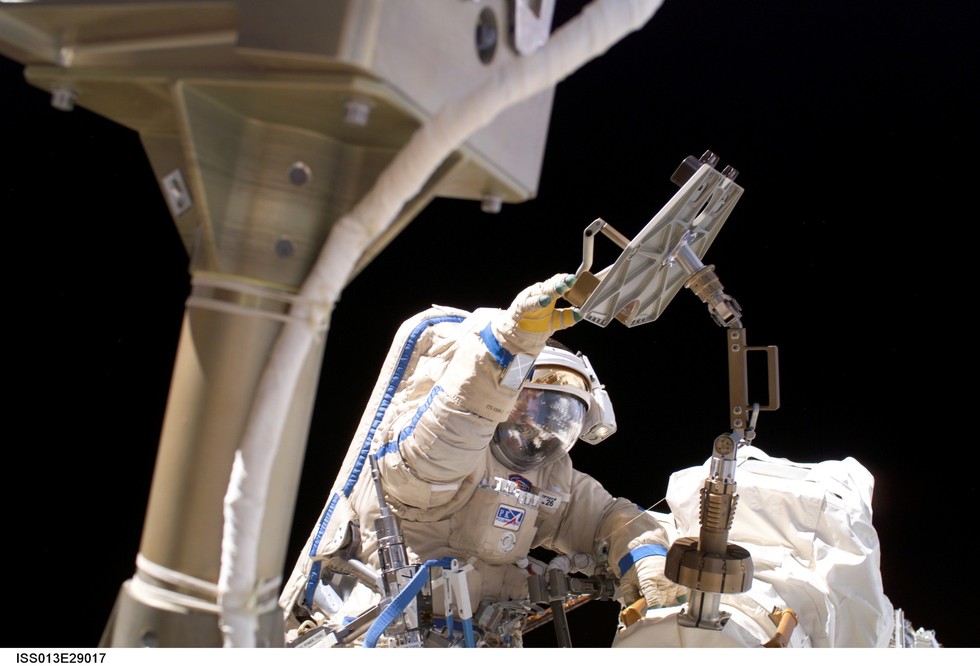
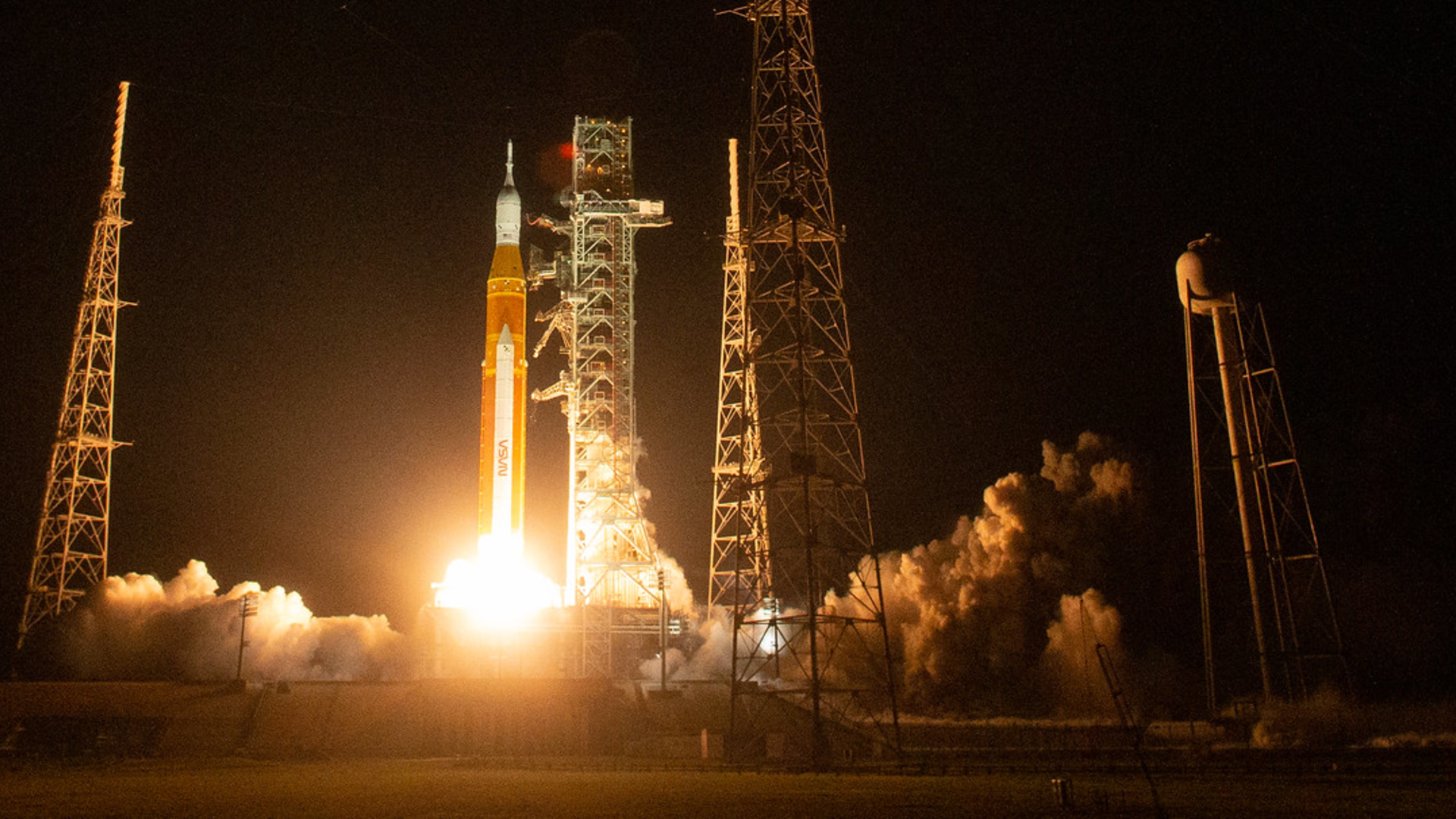
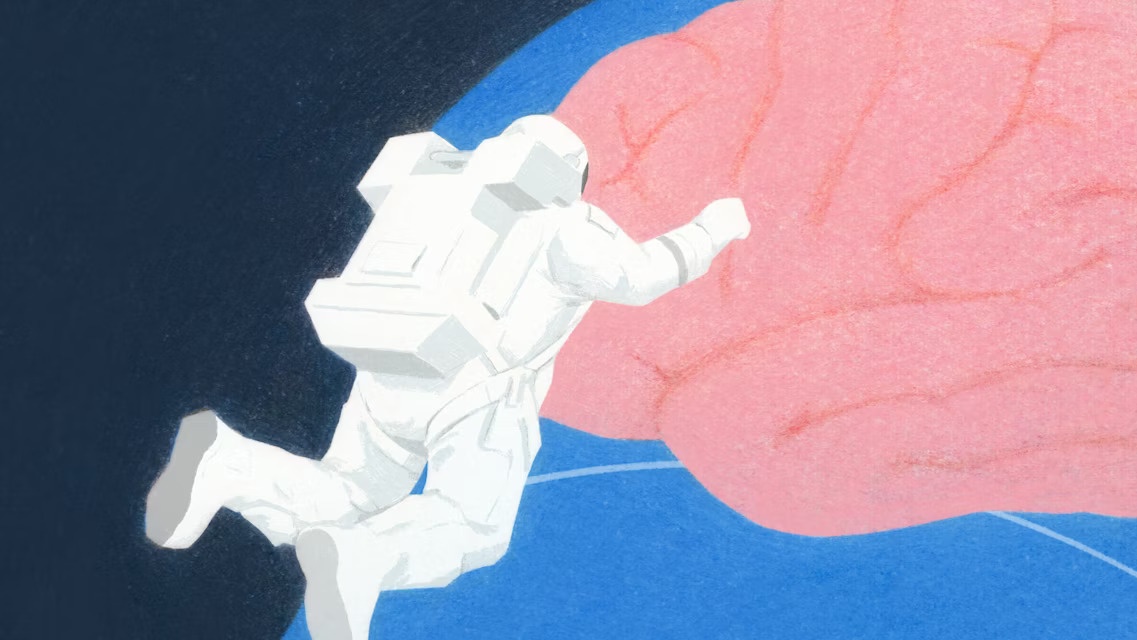
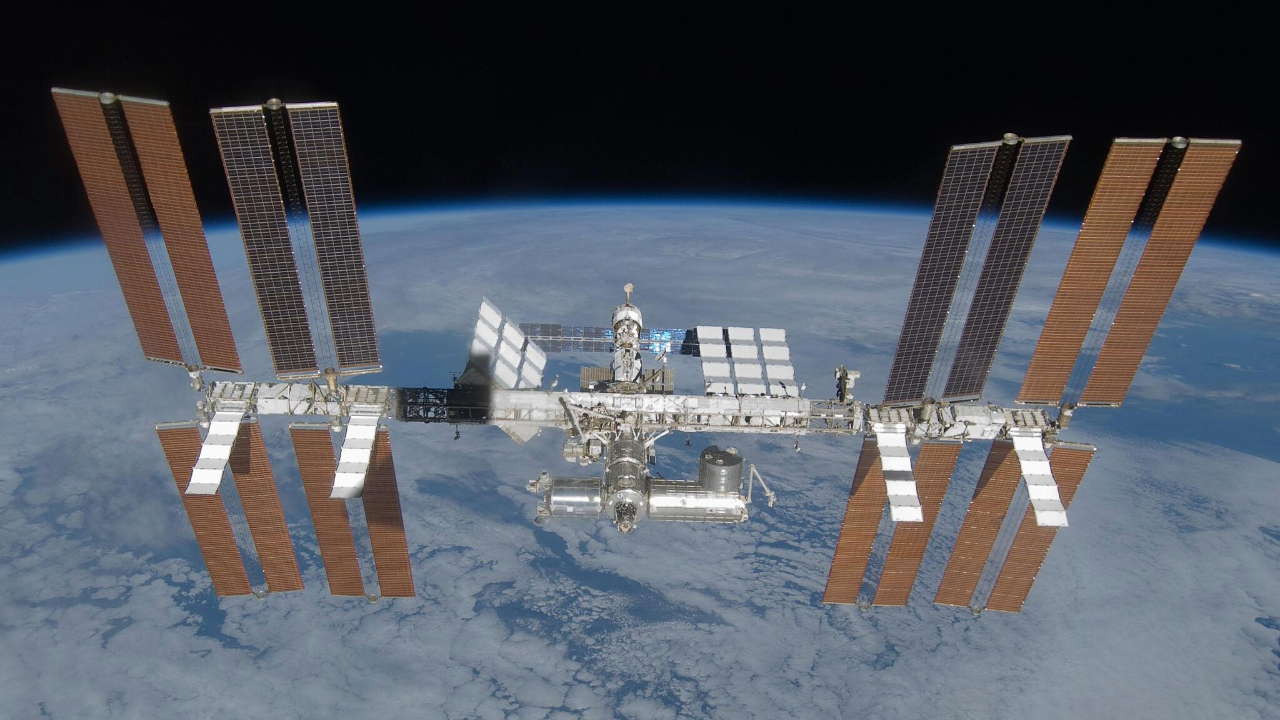
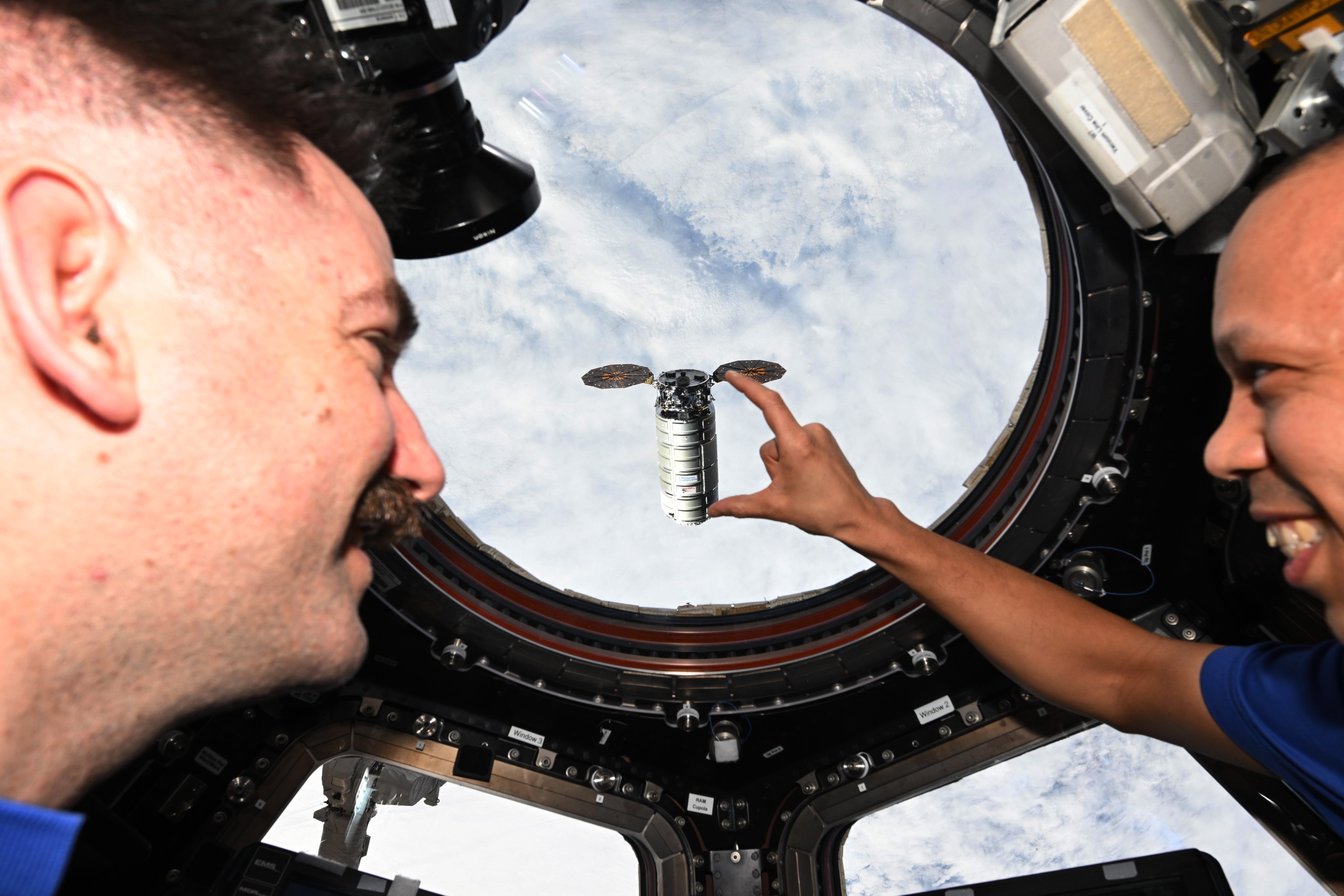
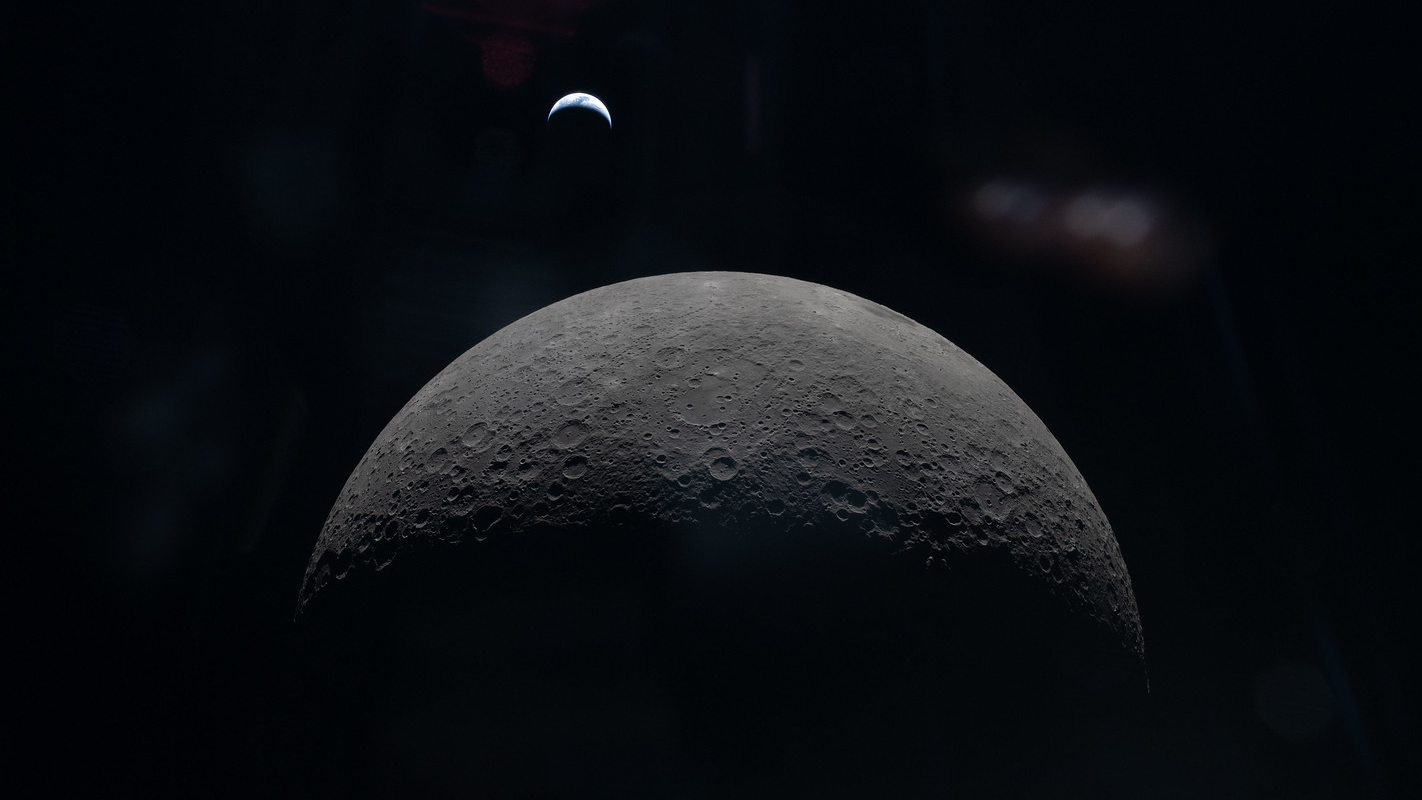
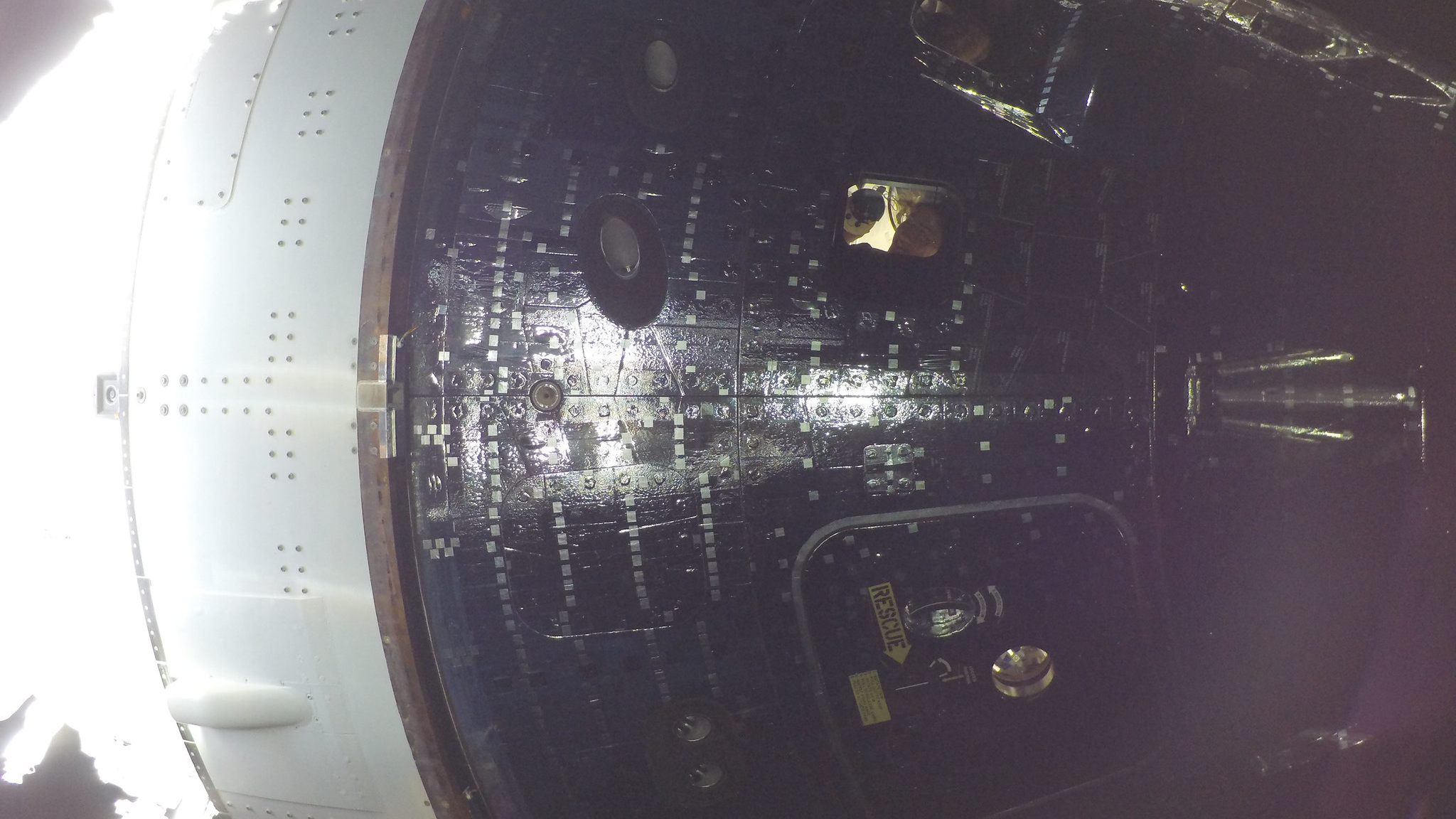
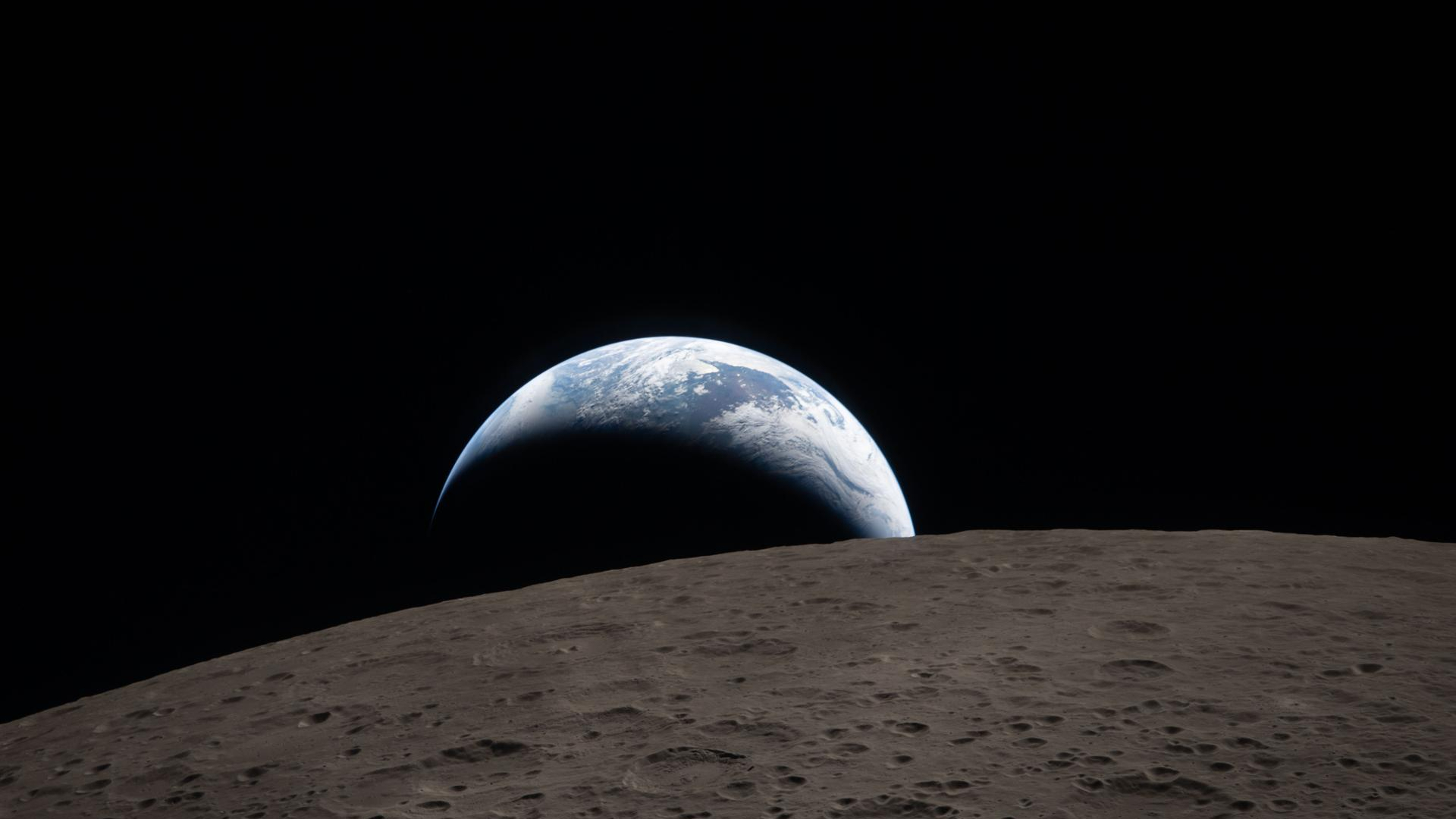
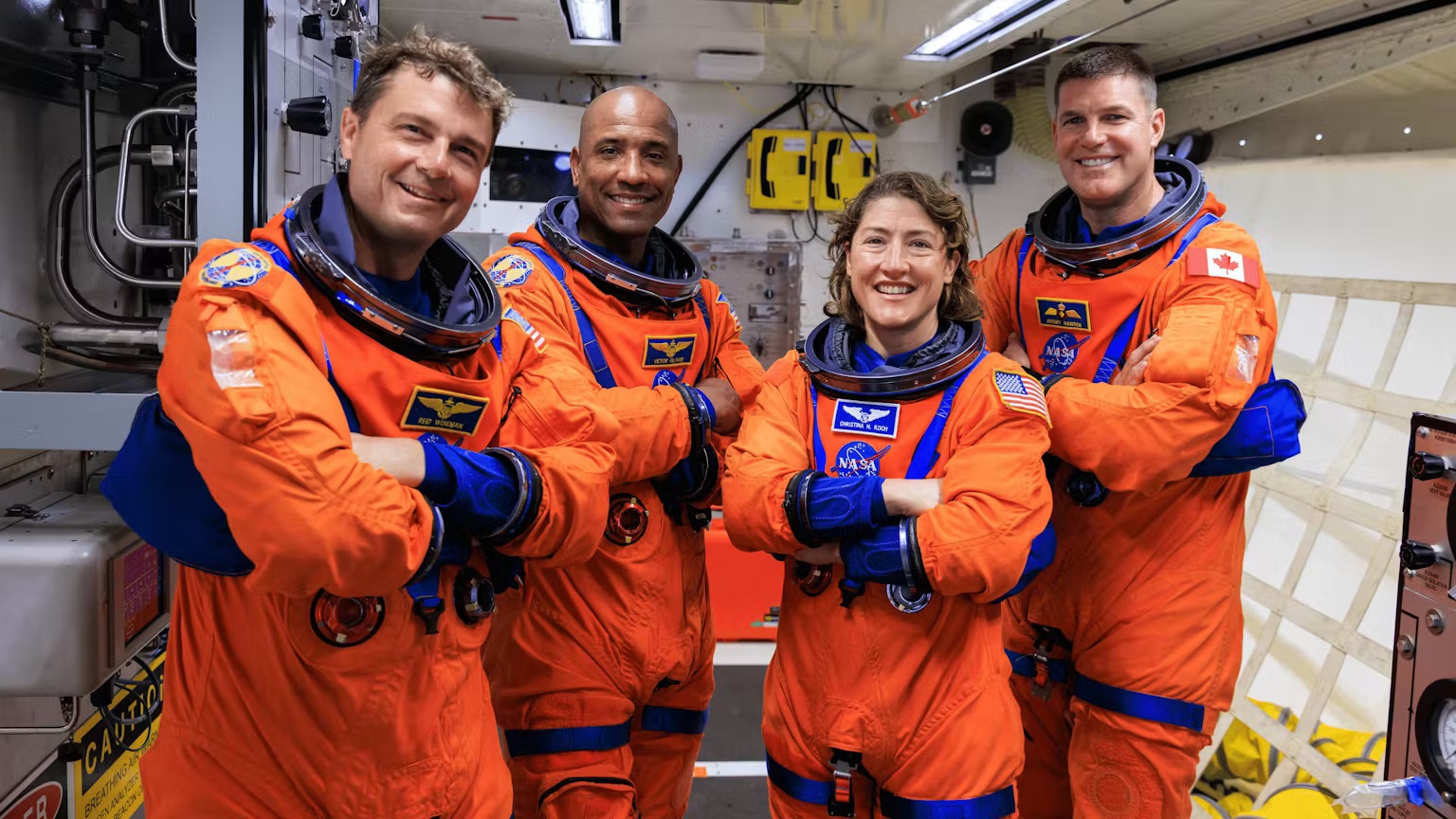
(Image credit: NASA's Marshall Space Flight Center Follow/ Flickr, CC BY-NC) It turns out that living in space can have a lasting impact on how your brain works, researchers have found. In space, astronauts have to learn to live without gravity — whether they're aboard the International Space Station (ISS) or on a journey to the moon, such as with NASA's Artemis 2 mission. While space adventurers do experience microgravity conditions beyond Earth, that gravitational influence is so minimal that you can think of it as a virtually weightless environment. But while floating around might sound fun, even simple tasks like holding an object can post unique challenges. So, scientists have wondered, how does the brain adapt to this kind of lifestyle? In a new study, researchers from the Université catholique de Louvain and Ikerbasque, the Basque Foundation for Science, explored how astronauts' brains adapt to weightlessness.…