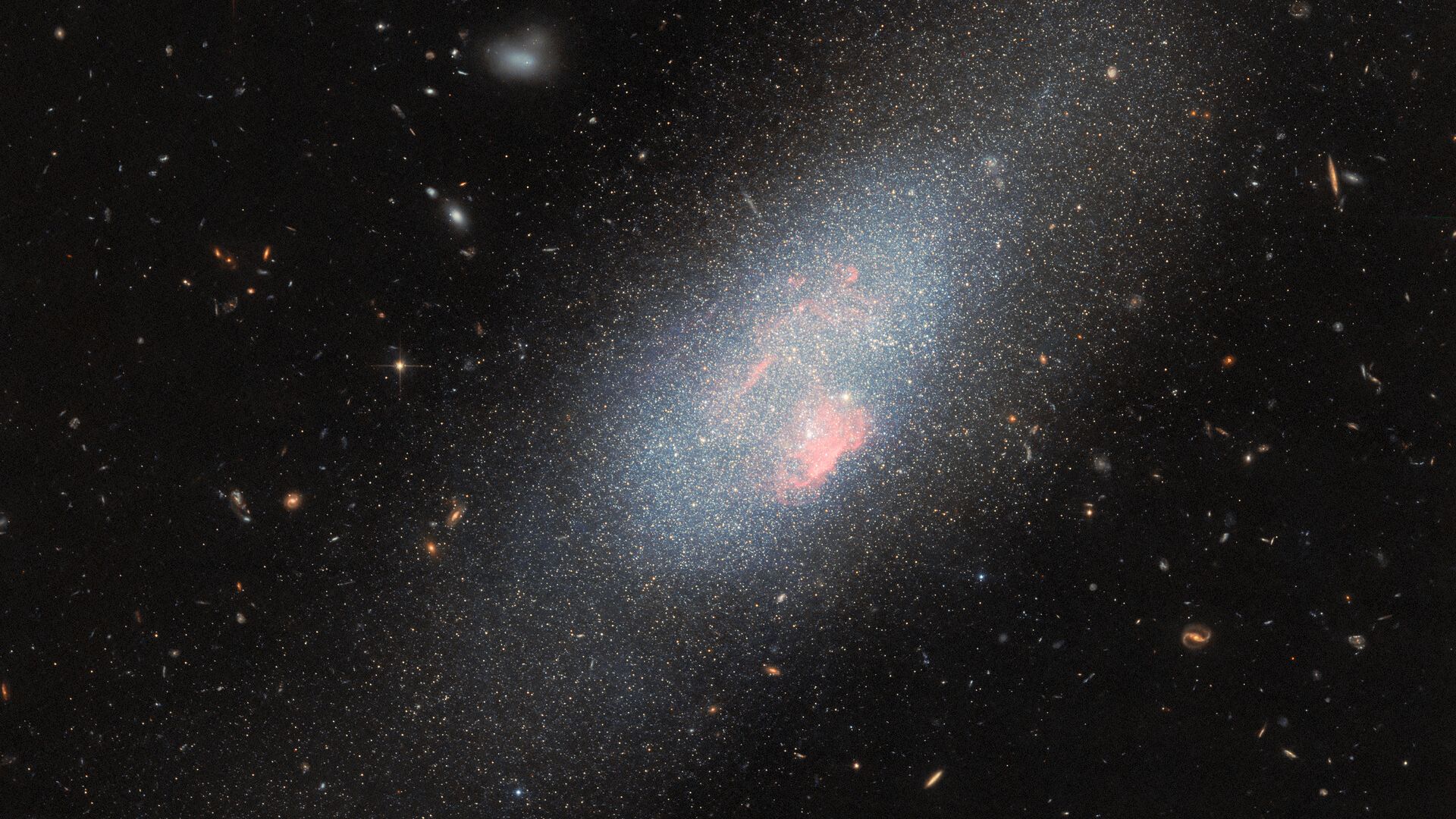
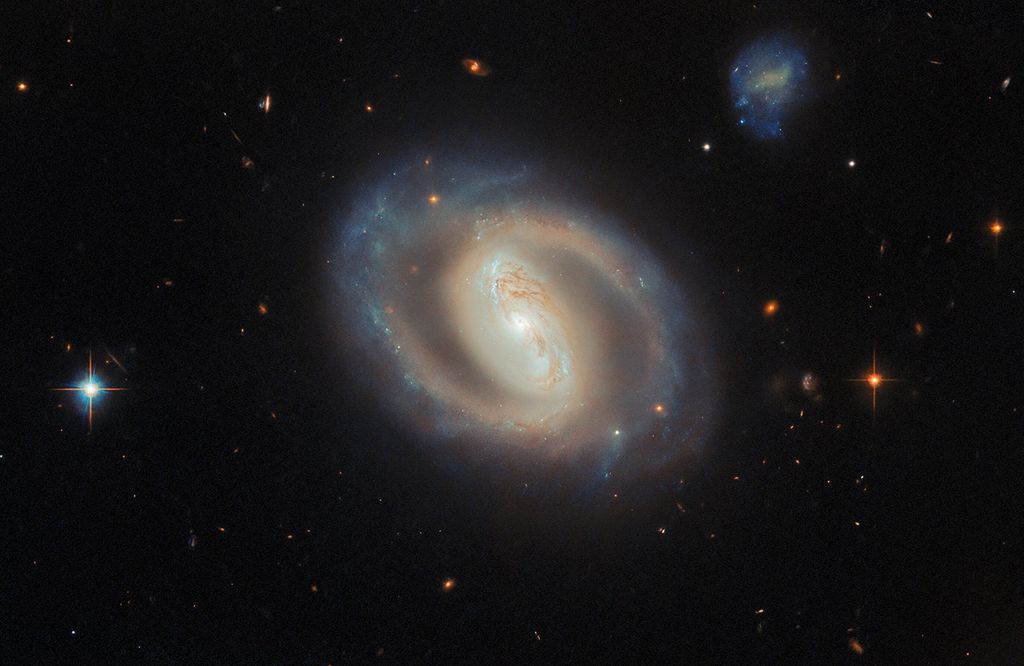
Hubble Space Telescope image of the compact dwarf galaxy Markarian 178. Mrk 178, which is substantially smaller than our own Milky Way, lies 13 million light-years away in the constellation Ursa Major (The Great Bear). (Image credit: ESA/Hubble & NASA, F. Annibali, S. Hong) Our universe is full of mysteries, but few are as perplexing as the dark, tiny galaxies that hover around larger ones like the Milky Way. Small, dim, and almost invisible, dwarf spheroidal galaxies are packed to the brim with something we can't see: dark matter . They're like cosmic icebergs, with most of their mass hidden from plain sight, making them some of the most exotic objects in the universe . Yet, when we peer at the actual movements of stars inside many of these dwarf galaxies , what we often see is something flatter, more like a gentle hill – a "core." It’s a bit like finding a perfectly smooth, inviting plateau where you expected a jagged, impassable summit.…