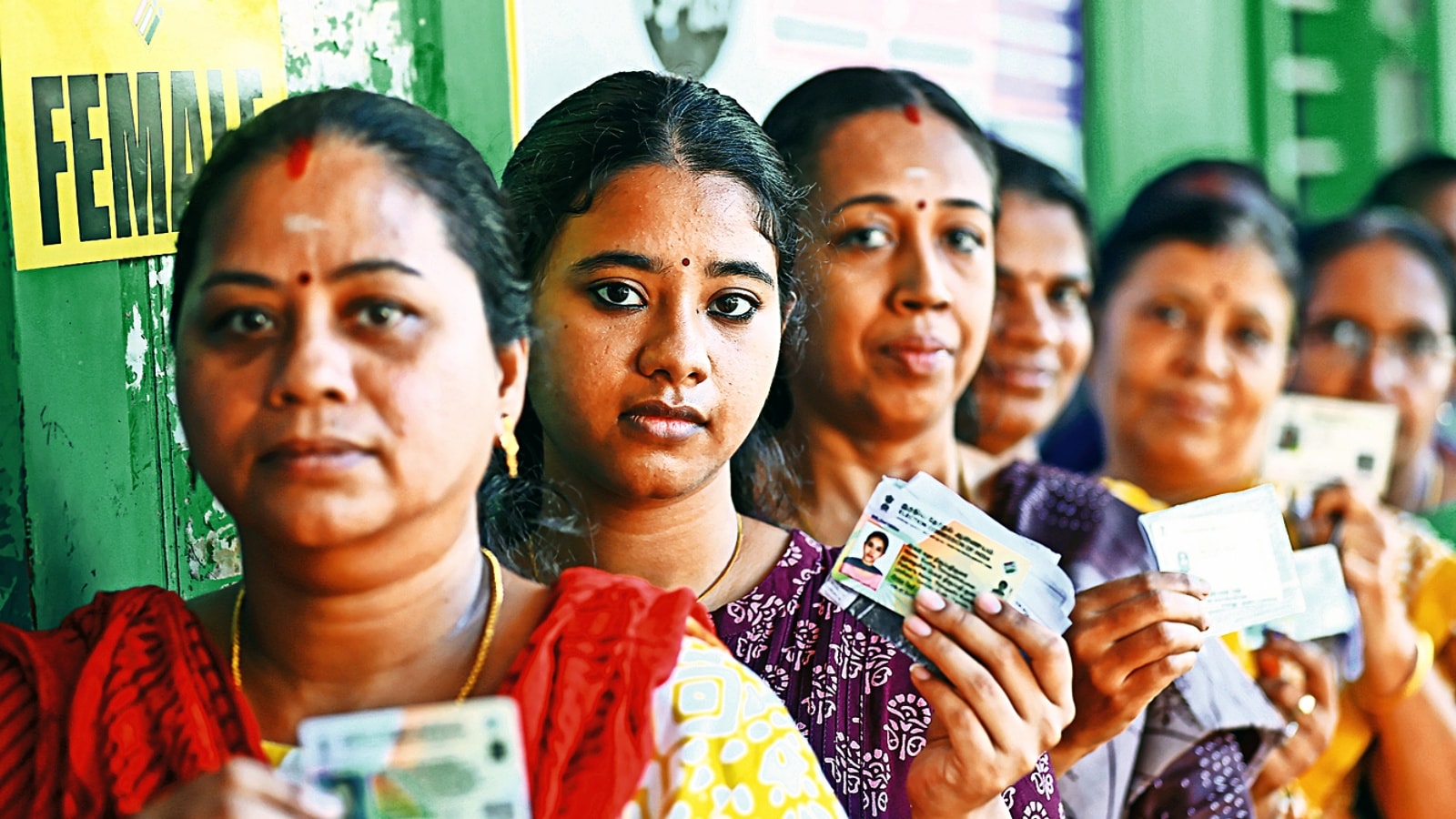
I n contemporary Indian politics, women voters are often discussed through the language of schemes: cash transfers, subsidised gas cylinders, bicycles, free bus travel, self-help loans, nutrition support. Campaign strategists speak of “women beneficiaries” as if they were a newly discovered electoral category. Tamil Nadu knew better, and knew earlier. Long before political consultants turned women into spreadsheets and welfare into branding, the state had been treating women not merely as dependents inside a household, but as political stakeholders in their own right. Their votes were courted, organised, symbolised and, over time, empowered through one of India’s longest experiments in social welfare politics. The story begins, in part, with food. In the 1960s and 1970s, the Dravidian movement reshaped Tamil Nadu politics through language pride, caste mobility and anti-Centre sentiment. But it also understood the politics of domestic life.…