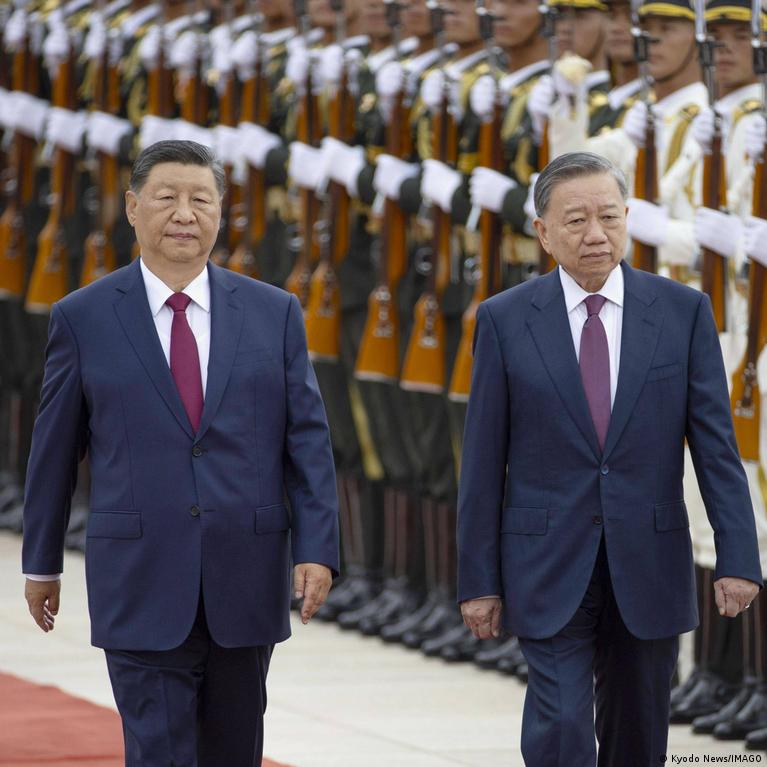
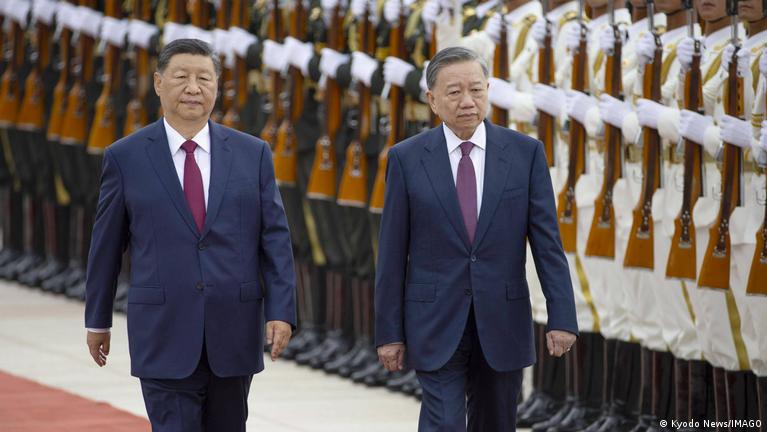
To Lam, the leader of the Vietnamese Communist Party, became the country's president this month following a unanimous vote in the country's National Assembly. The move went against informal norms that have long shaped elite politics in Hanoi. For decades, the Vietnamese Communist Party (VCP) has tried to avoid concentrating too much power in one pair of hands. Unlike China , where, since the 1990s, the top party leader has often also served as state president, Vietnam has generally preferred a more collective leadership style, known as the so-called "four pillars" system, with authority divided among the party chief, state president, prime minister and National Assembly. That arrangement was never the full-fledged separation of powers found in liberal democracies. But within the confines of one-party rule, it created a measure of internal balance and helped reduce the risk of one individual dominating the political system. Now, analysts say, that balance may be shifting.…