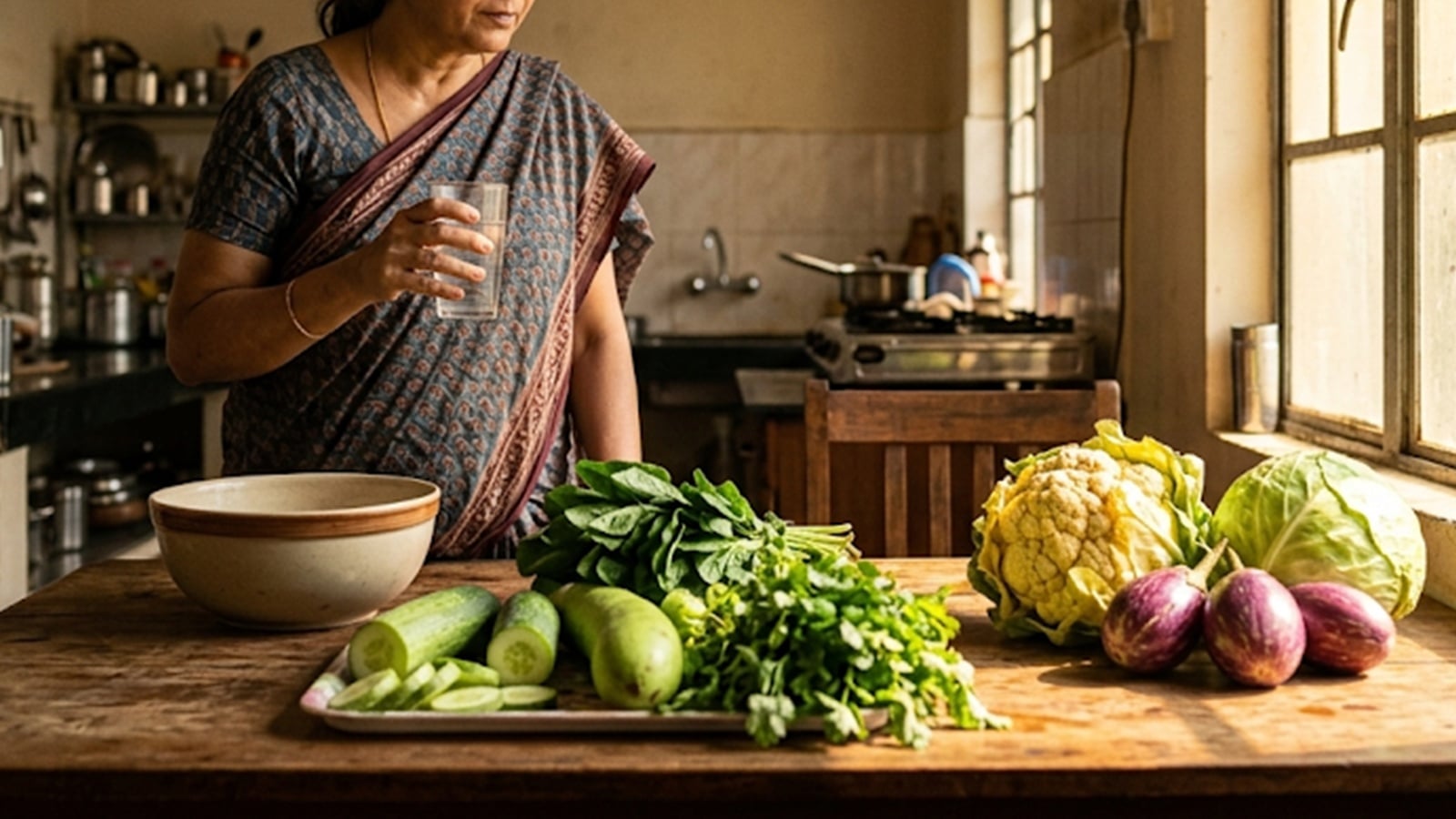
As temperatures continue to climb and heatwaves become more intense, what we put on our plate starts to matter just as much as how much water we drink. Seasonal eating has always been a part of traditional wisdom, but extreme heat brings a new urgency to understanding how certain foods interact with the body. While fruits, fluids, and cooling meals often take centre stage, vegetables — usually considered universally healthy — may not all be equally suited for soaring temperatures. Some vegetables can generate excess heat in the body, while others may be harder to digest or lead to dehydration if consumed in large quantities during peak summer. Cooking methods, portion sizes, and even the timing of meals can further influence how these foods affect energy levels, gut health , and overall comfort in hot weather. The idea isn’t to eliminate vegetables, but to understand which ones may need to be limited or prepared differently when the body is already under heat stress.…