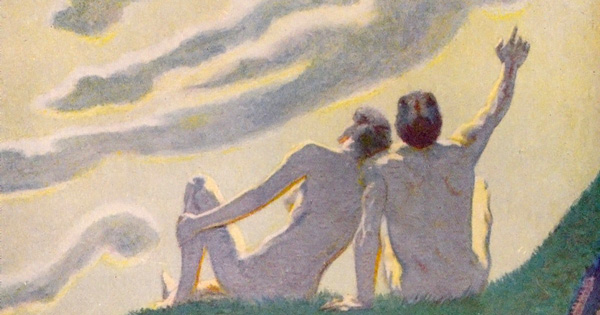
To recognize that there are infinitely many kinds of beautiful lives is to step outside the self, beyond its particular conceptions of beauty — which includes, of course, moral beauty — and walking beside it with humble, nonjudgmental curiosity about the myriad other selves afoot on their own paths, propelled by their own ideals of the Good. Such recognition requires what the great moral philosopher and novelist Iris Murdoch (July 15, 1919–February 8, 1999) termed unselfing — a difficult, triumphant act for which, Murdoch argues in her 1970 masterpiece The Sovereignty of Good ( public library ), nature and art uniquely train us. Dame Iris Murdoch by Ida Kar (National Portrait Gallery) A century and a half after Emerson observed that “the question of Beauty takes us out of surfaces, to thinking of the foundations of things,” Murdoch defines what we commonly call beauty as “an occasion for ‘unselfing’” — an occasion most readily experienced in our communion with nature and our contemplation of art.…