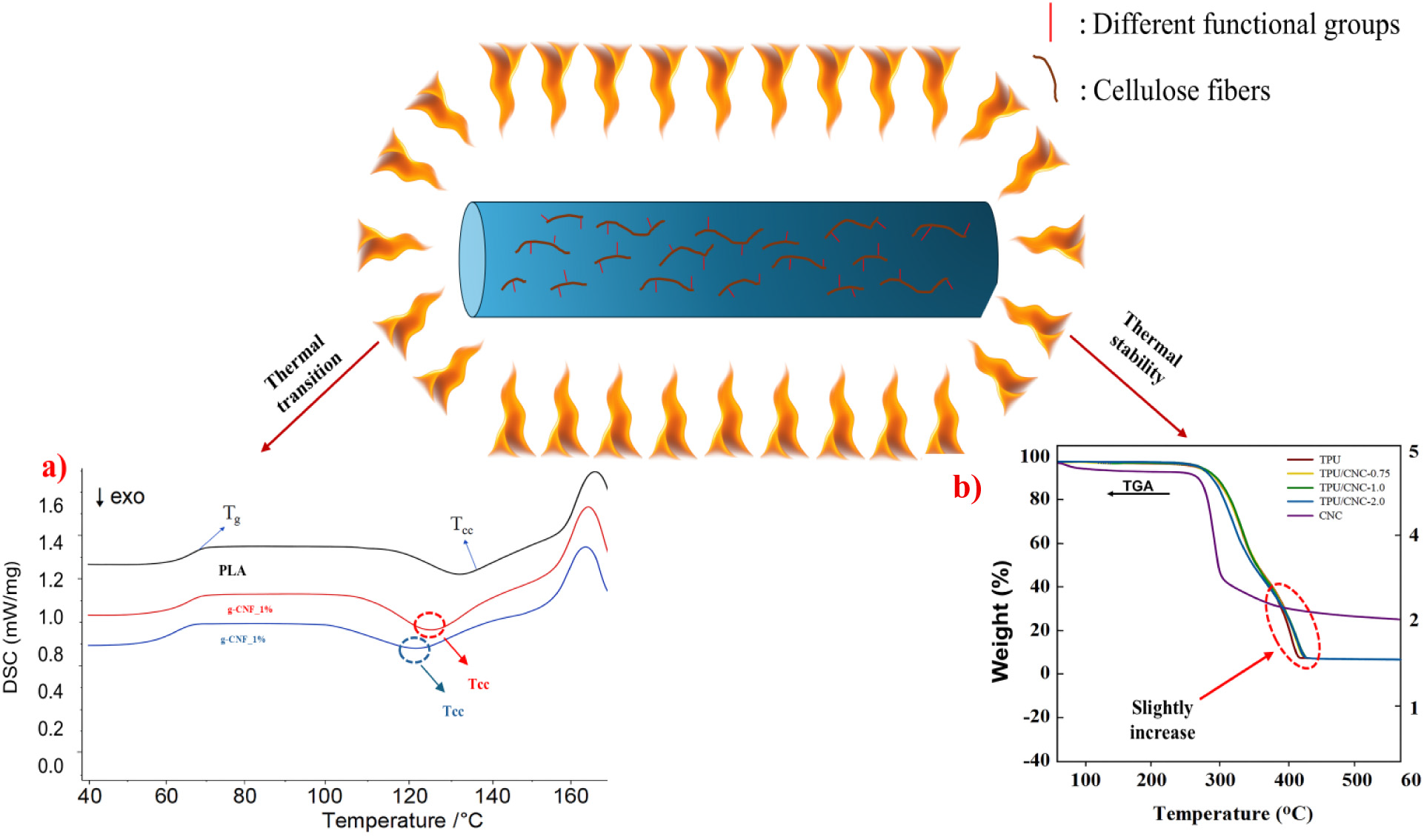
Researchers have reviewed how chemically modified cellulose could improve the performance and sustainability of fused deposition modeling (FDM) 3D printing filaments. Published in Carbohydrate Polymers , the review examines functionalization strategies designed to make cellulose more compatible with thermoplastic polymer matrices used in material extrusion 3D printing. The paper was authored by researchers from North Carolina State University , Sappi North America , the University of Campinas , the University of British Columbia , Clemson University , and Auburn University . The authors argue that cellulose offers a renewable route to lower-impact FDM materials, but its direct use remains limited by poor compatibility with hydrophobic polymers, moisture sensitivity, aggregation, and thermal degradation during extrusion.…