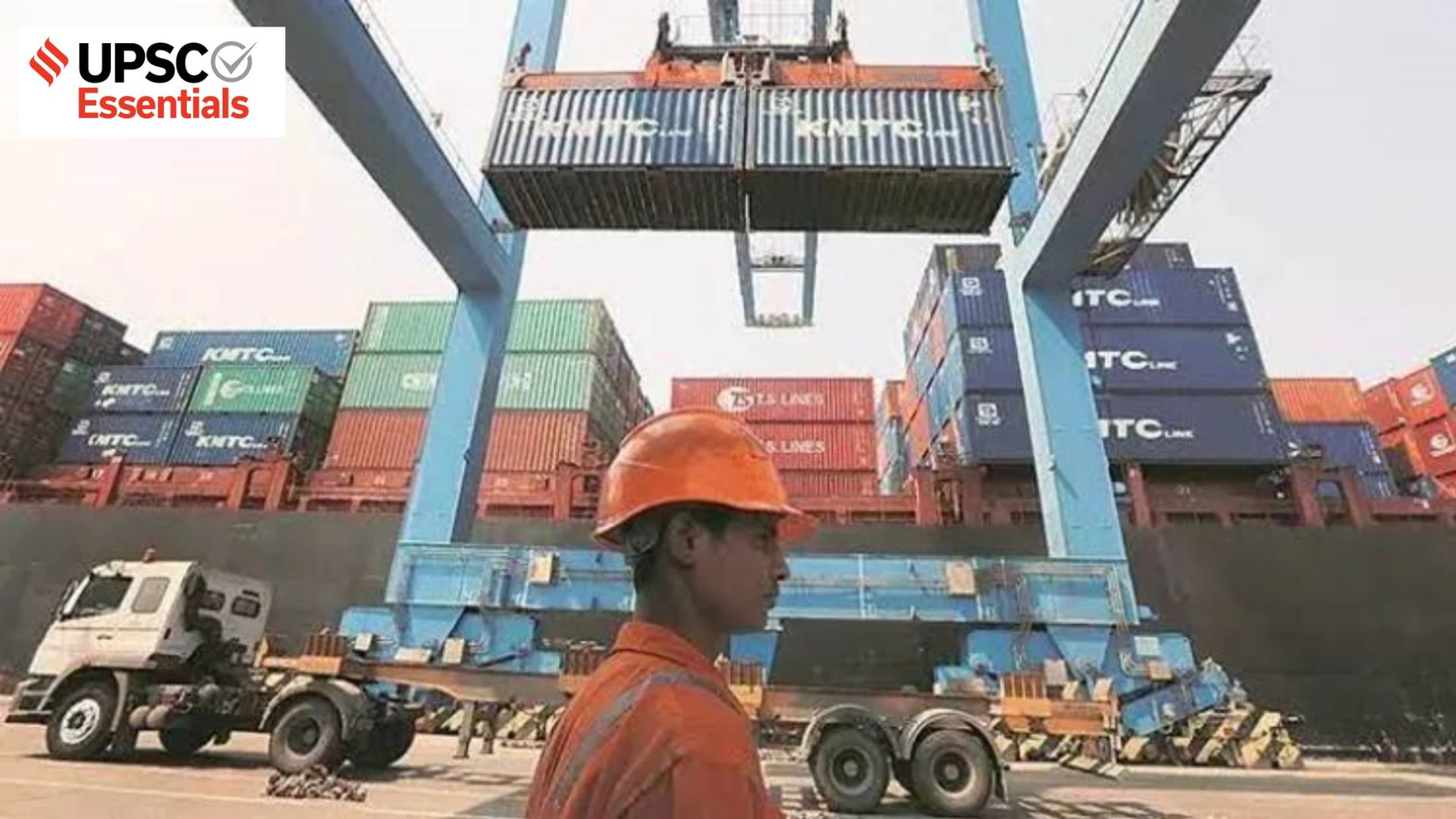
From reduced energy supplies to a systemic shock to agriculture and industry, the Iran war has brought the vulnerability of India’s economy to supply disruptions to the fore. Due to the energy supply crisis, prospects of rising inflation and interest rates that could lower growth have raised the fear of stagflation for the global economy. Stagflation – where economic growth stagnates, but inflation increases – is primarily a supply-side phenomenon. But, how does India, whose traditional fiscal and monetary tools are designed to manage demand, deal with it? In its latest monetary policy decision, the Reserve Bank of India (RBI) kept the repo rate unchanged due to elevated prices of energy and other commodities, coupled with supply shock caused by disruptions in the Strait of Hormuz. The Monetary Policy Committee (MPC) meeting of April 6-8 conveyed a clear message that the problem is no longer demand, it is supply.…