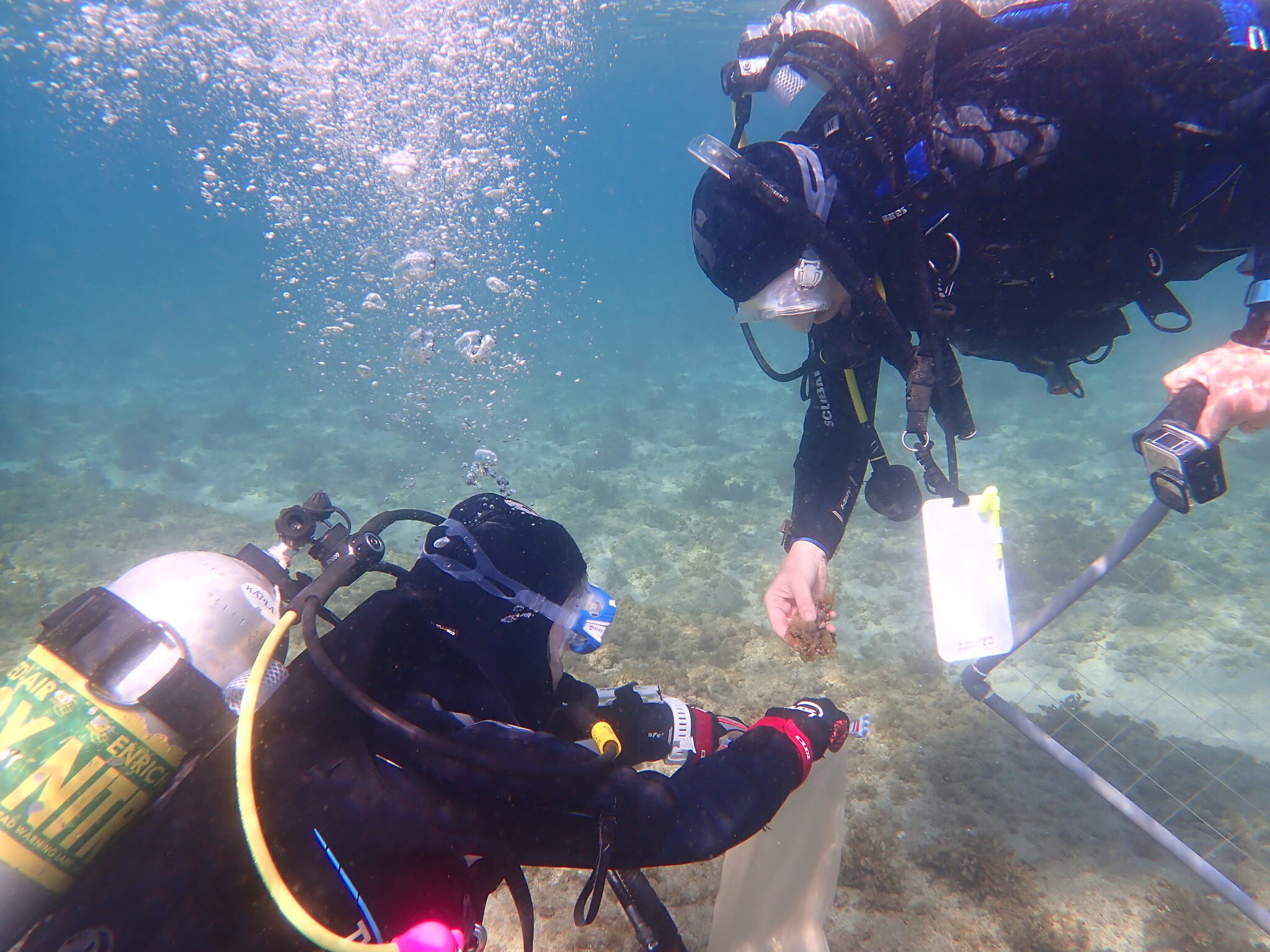
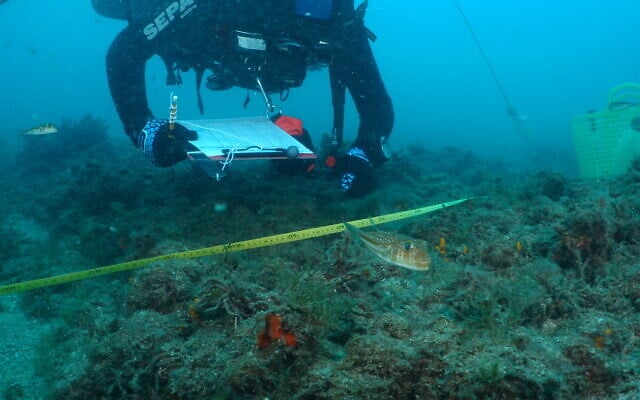
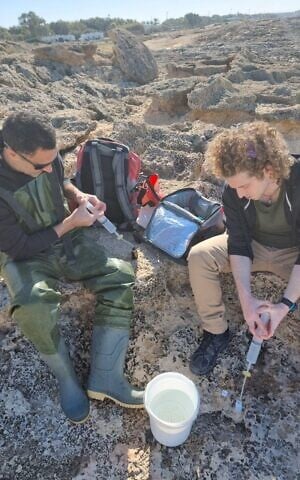
Driven by global climate change and human activity, the eastern Mediterranean Sea continues to warm, become saltier and more acidic, while rising faster than the global average, fundamentally altering the region’s ecology, according to the latest annual national monitoring report released on Wednesday. The sea’s upper layer is warming by 0.05°C (0.09°F) annually, aligning with the UN’s Intergovernmental Panel on Climate Change’s projections. From 1992 to 2024, the sea level rose by 15 centimeters (5.9 inches). At 4.7 millimeters (0.185 inches) per year, this is faster than the global average of 3.4 millimeters (0.134 inches) annually, heightening the risk of catastrophic coastal flooding during storms. Seawater acidification is hindering species such as clams and corals from building their skeletons (which use calcium carbonate, an alkaline compound) and is turning the sea from a carbon store into a carbon source, further fueling the climate crisis and increasing the risks of extreme weather events.…