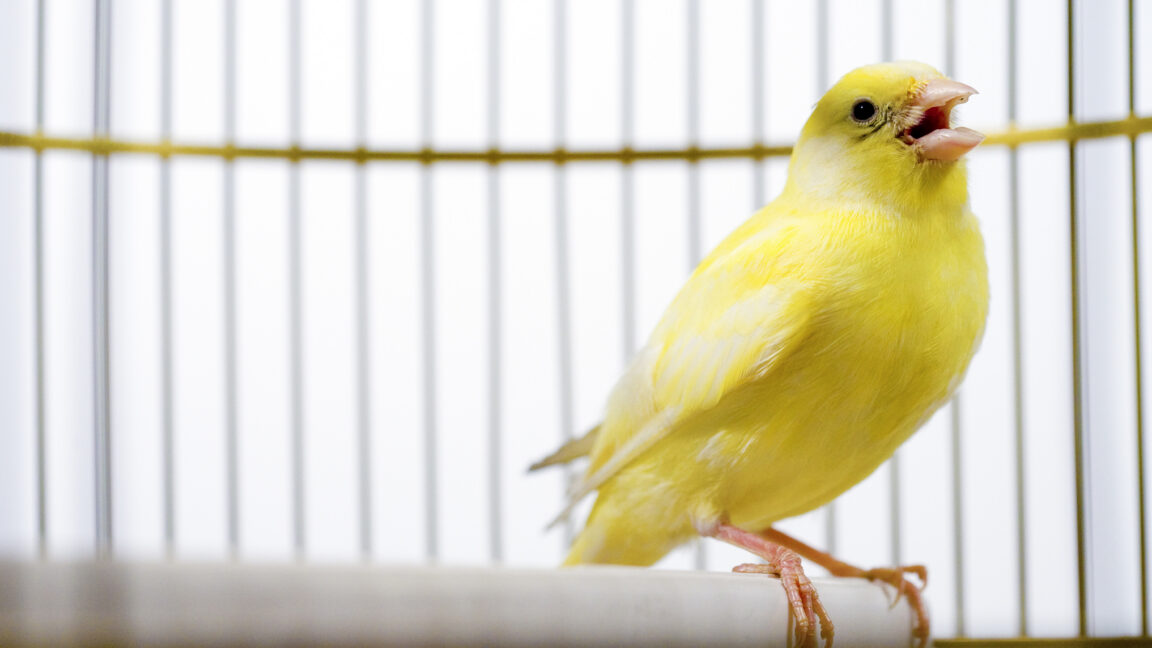
In a world awash in high-tech security tools like passkeys, quantum-safe algorithms, and public-key cryptography, it can be refreshing to get back to the simple things… like a good old-fashioned canary trap. The canary trap is a simple tool often used to identify leakers or double agents. To make one, you simply share a document, image, or database but make tiny changes that are unique to each recipient. That way, if those changes show up verbatim in any leak of the information, you know immediately which recipient was behind the leak. You don’t often see canary traps in the news, though they have long been a staple of spy fiction (and practice), so an account out of Canada last week caught my eye. The Canadian province of Alberta has been the site of recent drama around its electoral list, a database that contains information such as names, addresses, and voting districts for millions of citizens.…