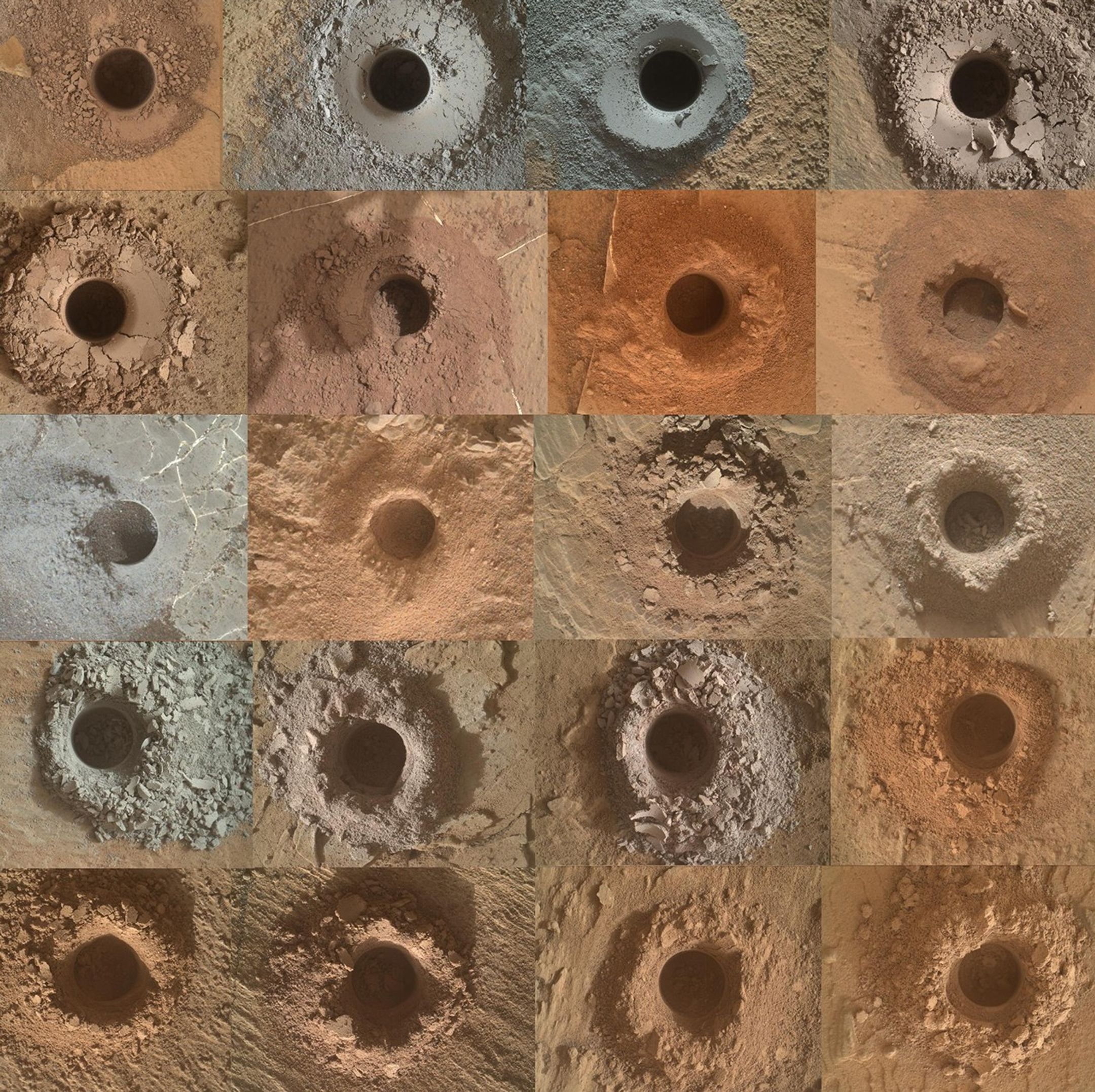
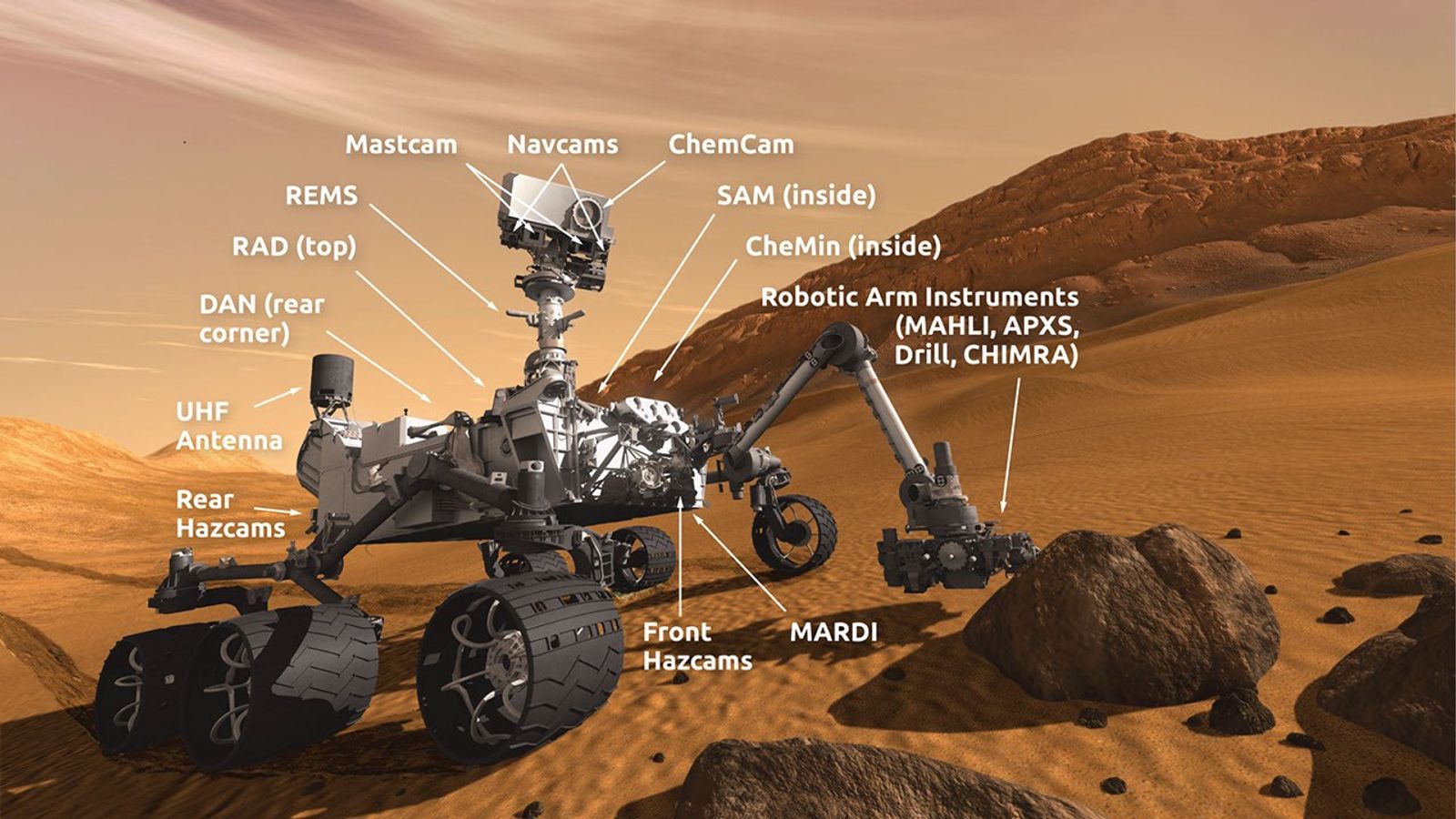
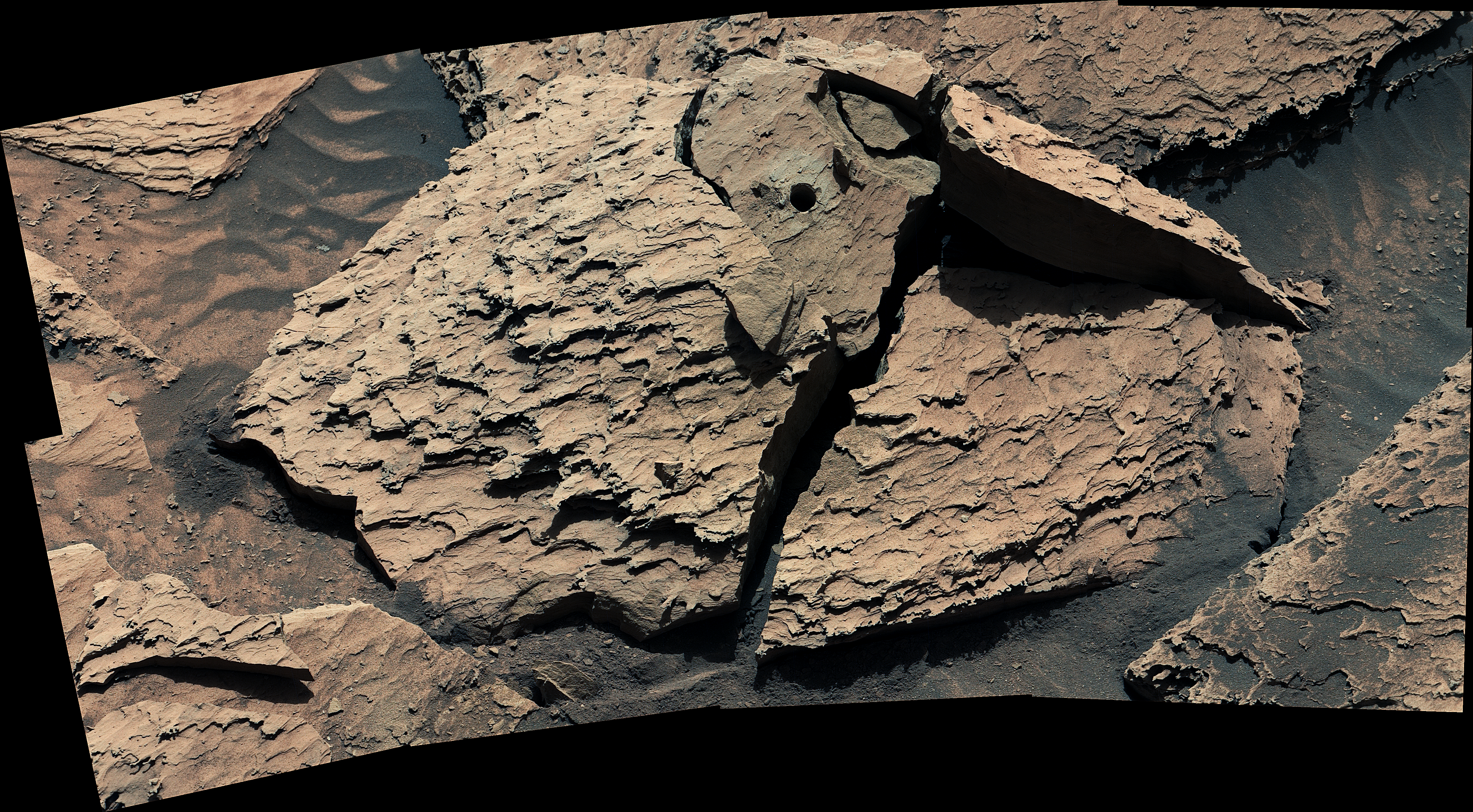
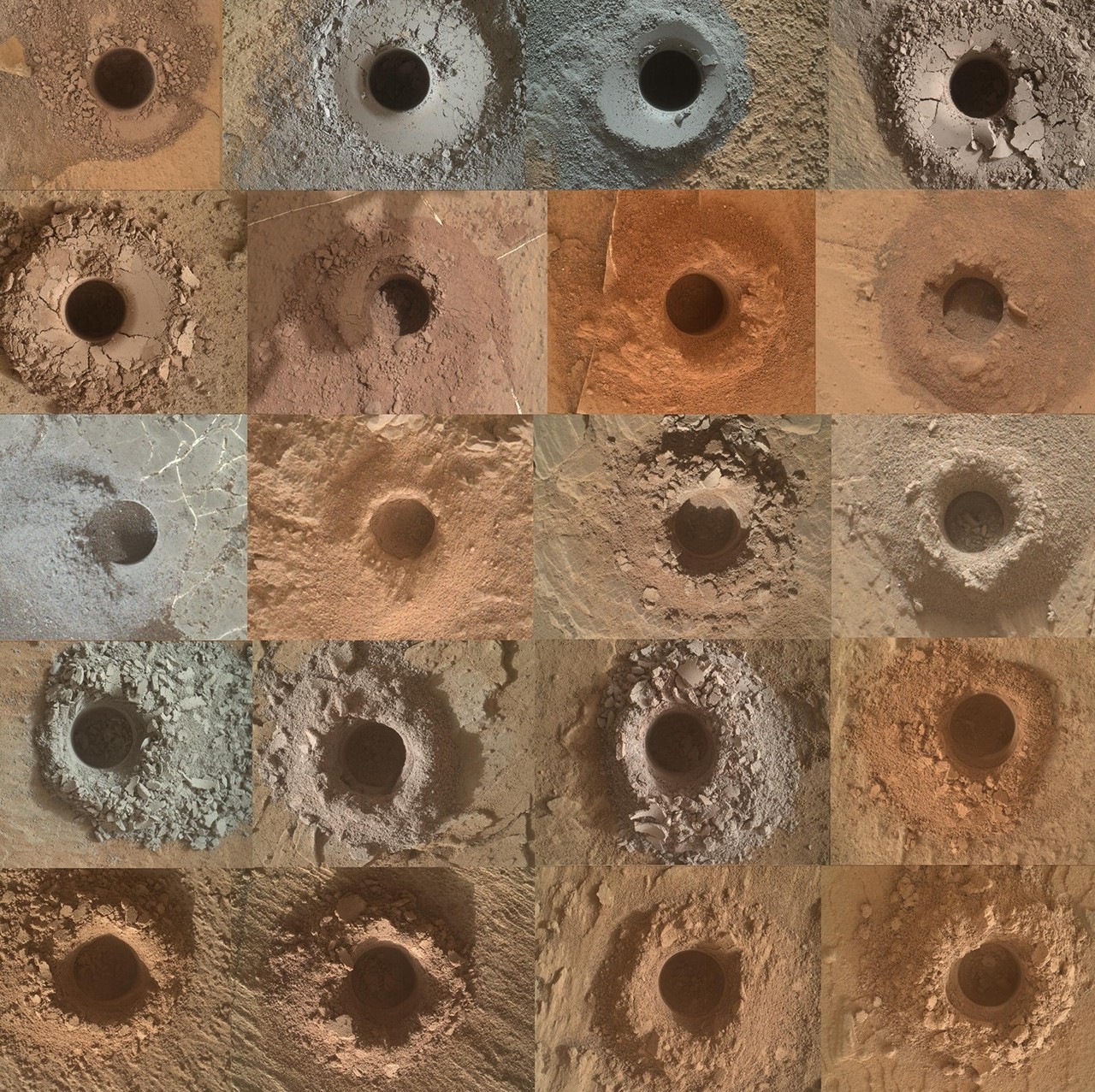
While NASA imagery has shown evidence of ancient rivers and lakes on Mars that transitioned to dry dunes, uncertainty remains over the timing of the environmental changes that may have contributed to these shifts. Now, data collected by NASA’s Curiosity rover has revealed that individual crystals in the iron oxide hematite can be used as a mineralogical marker of changes to Mars’ ancient climate. Because the shape and structure of these crystallites reflect the conditions – such as temperature and water presence – under which they were formed, they can serve as an indicator of when these changes occurred. Scientists studied 20 samples collected by Curiosity across various elevations throughout Gale Crater for a paper published Thursday in Science . Gale Crater’s walls reveal Mars’ environmental history layer by layer, with deeper elevations capturing its earliest years.…