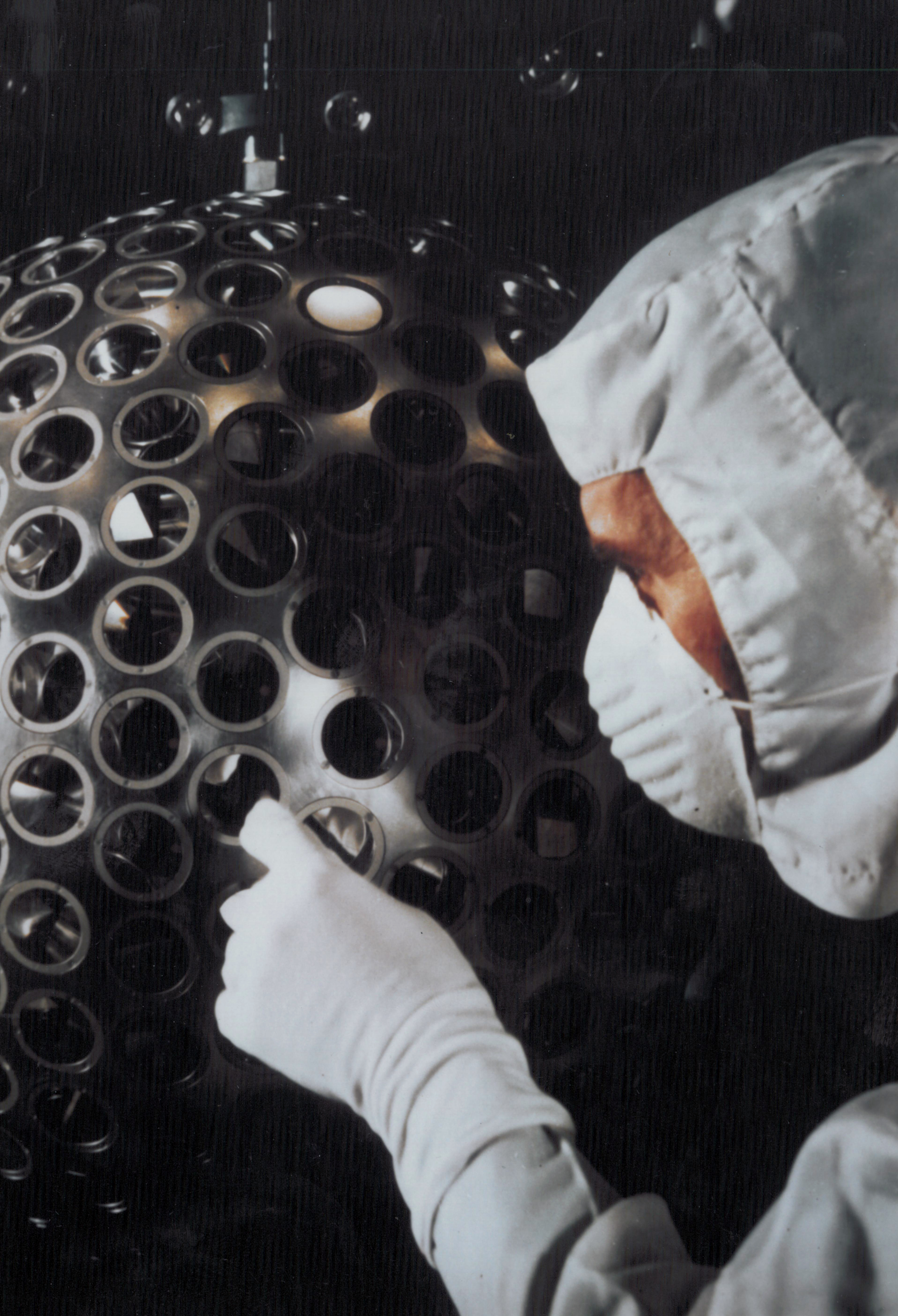
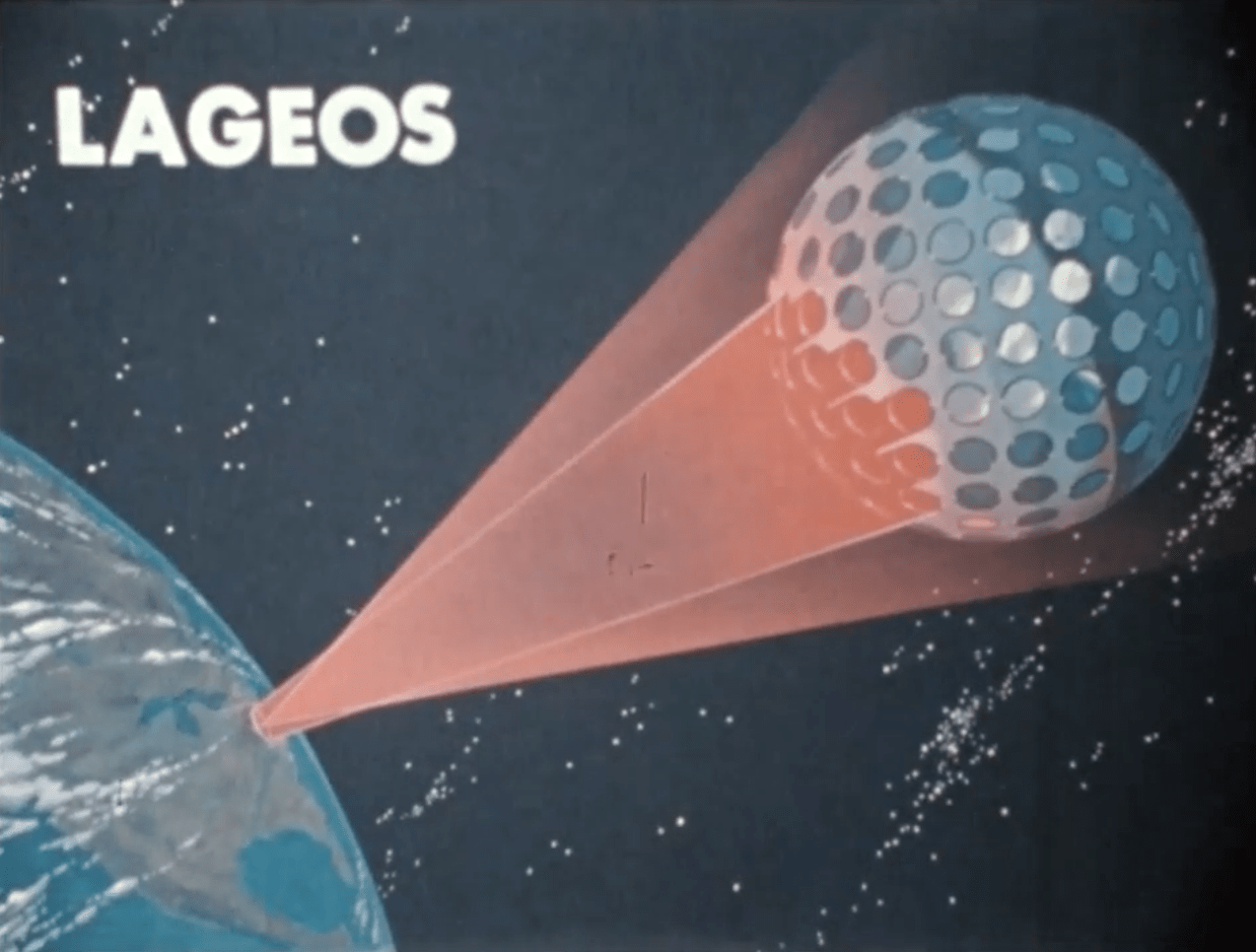
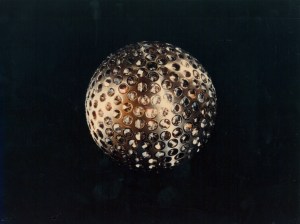
On May 4, 1976, a spacecraft resembling a disco ball entered orbit almost 3,700 miles (6,000 kilometers) above Earth. This shiny, two‑foot‑wide (60‑centimeter) sphere called the Laser Geodynamics Satellite, or LAGEOS, is covered with 426 retroreflectors—small mirrored prisms designed to bounce laser light directly back to where it came from. Beneath its aluminum exterior sits a dense brass core that makes LAGEOS incredibly heavy (900 pounds or 400 kilograms) for its size. That weight was intentional. The satellite’s high mass and compact, spherical design allow it to follow an exceptionally stable orbit, perfect for satellite laser ranging . From stations around the world, scientists fire pulses of laser light at LAGEOS and measure how long the light takes to return. Because the speed of light is known so precisely, researchers can calculate the distance to the satellite within just a few millimeters.…