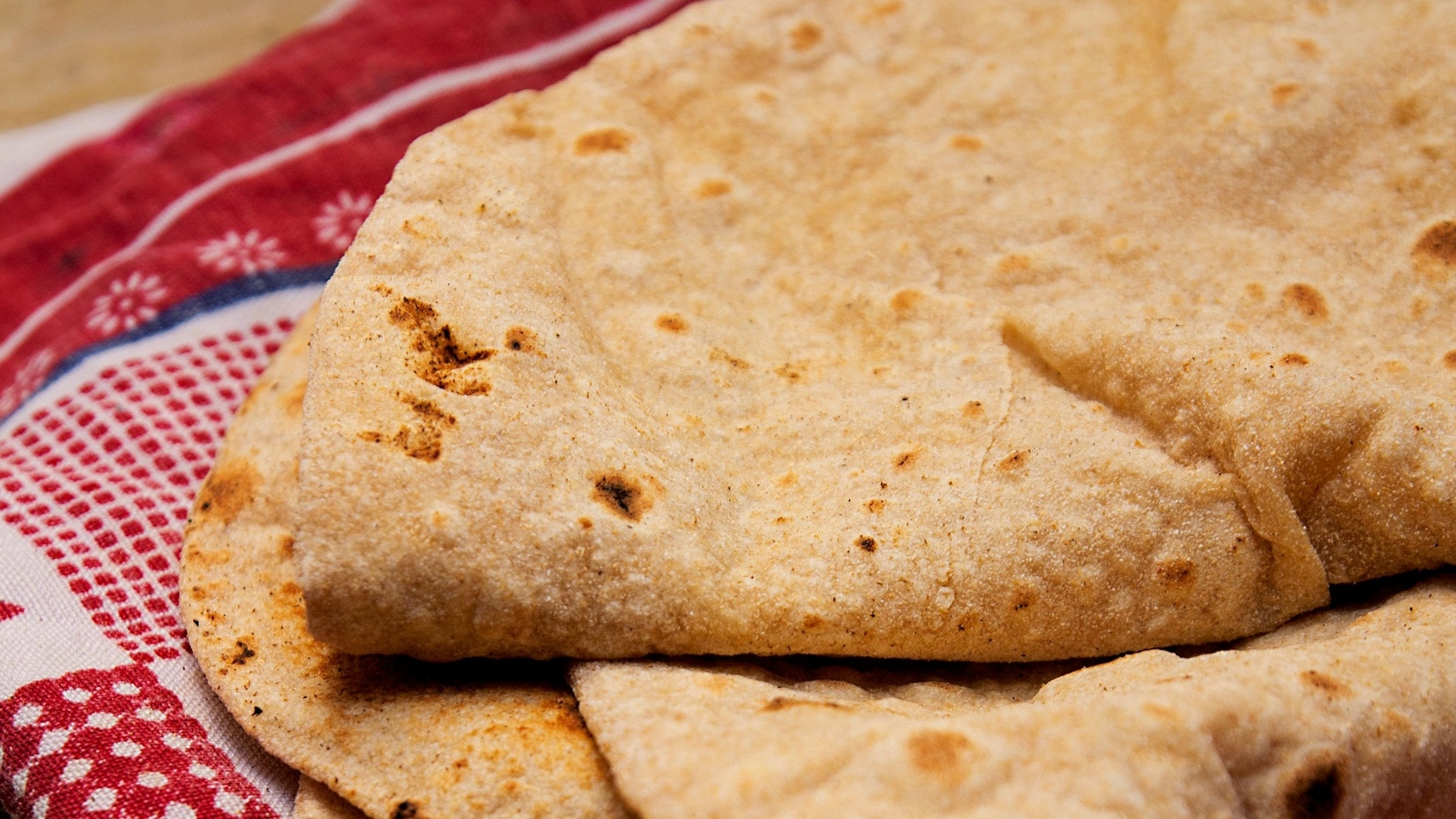
Chapatis/rotis, the main source of gluten in Indian diets, are an integral part of meals for most Indians, especially in North India. (Source: Pexels) Like many diet fads, it is now popular to prescribe a gluten-free diet as a panacea for all ills. Many people try it to become ‘healthier’. Plenty of popular attention is given to gluten as a culprit in many ailments. The science, however, points to limited evidence supporting the use of the gluten-free diet beyond its role in managing gluten-related disorders. What is gluten and how could it cause problems? Gluten is a protein found in wheat, barley and rye. It is also present in many other foods. It helps maintain the shape of the grain. Mostly, it is synonymous with wheat. Besides rotis and breads, it is also found in soups, pasta, cereals, sauce and some salad dressings. It is broken down in the intestine by protease enzymes. Undigested gluten can be tolerated by most people. When it is not, then disease occurs. What are gluten-related health impacts?…