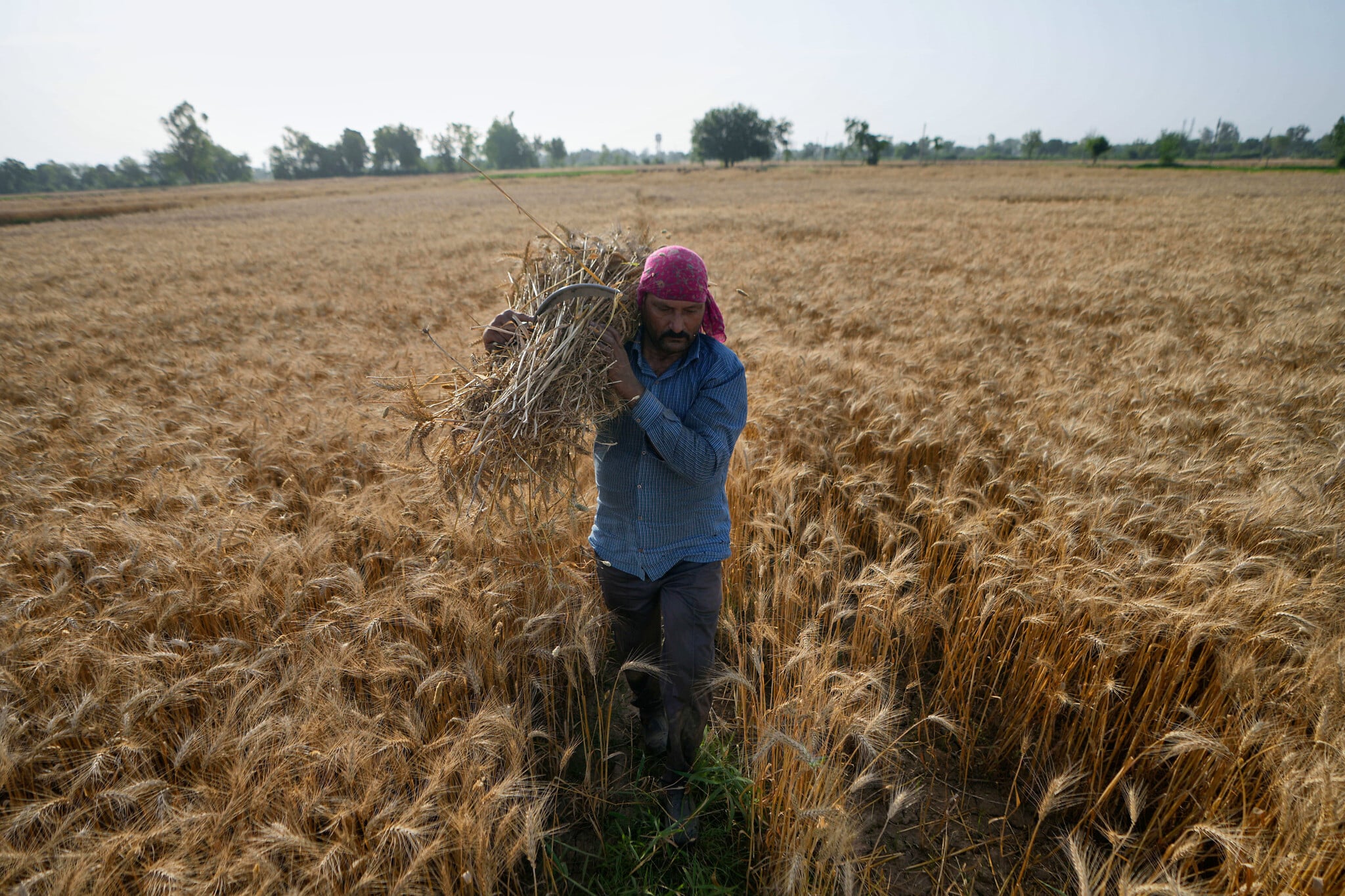
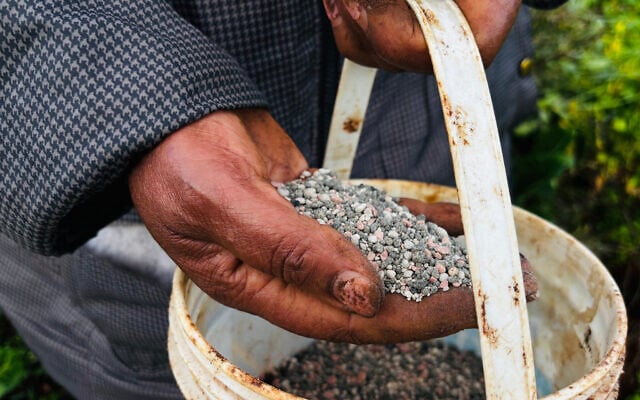
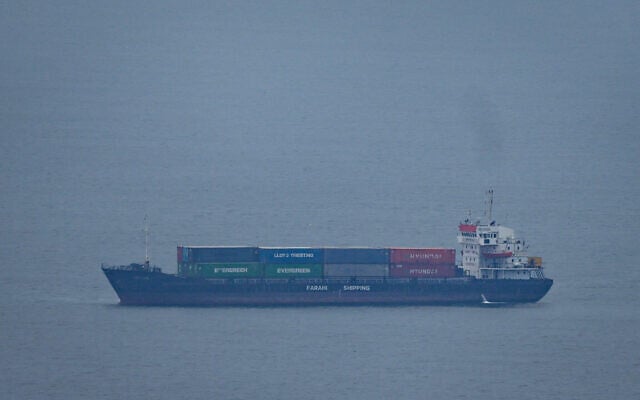
PARIS/SINGAPORE (Reuters) – Farmers around the world are facing the second surge in fertilizer prices in four years due to the Iran war. But with grain prices too low to cushion the blow from the deeper supply crunch this time around, many are rethinking planting plans, putting global food production at risk. The Middle East is a leading fertilizer production hub, and much of the global fertilizer trade typically passes through the Strait of Hormuz, which has seen traffic brought to a standstill by the conflict. Supplies of urea — a nitrogen-based fertilizer — from the world’s largest production facility in Qatar have been halted, and flows of sulphur and ammonia, common inputs for a range of fertilizers, have also been curbed. With a resolution of the conflict proving elusive, analysts, traders, fertilizer producers and agronomists are looking back at the last supply crisis, Russia’s 2022 invasion of Ukraine, worried that this time things could get even worse.…