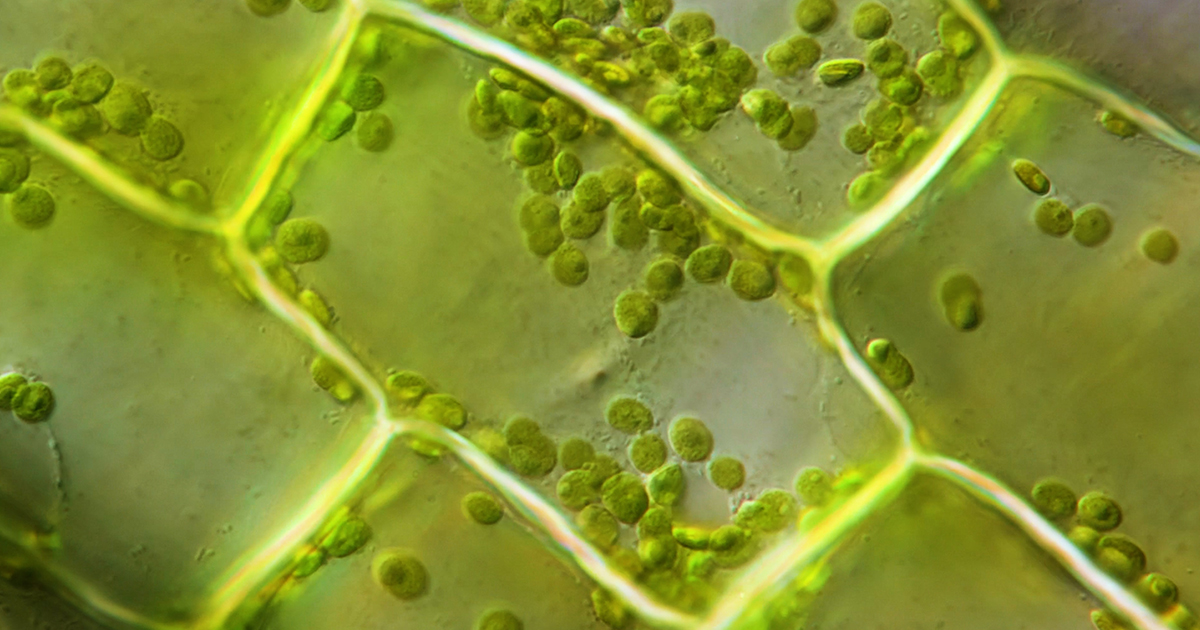
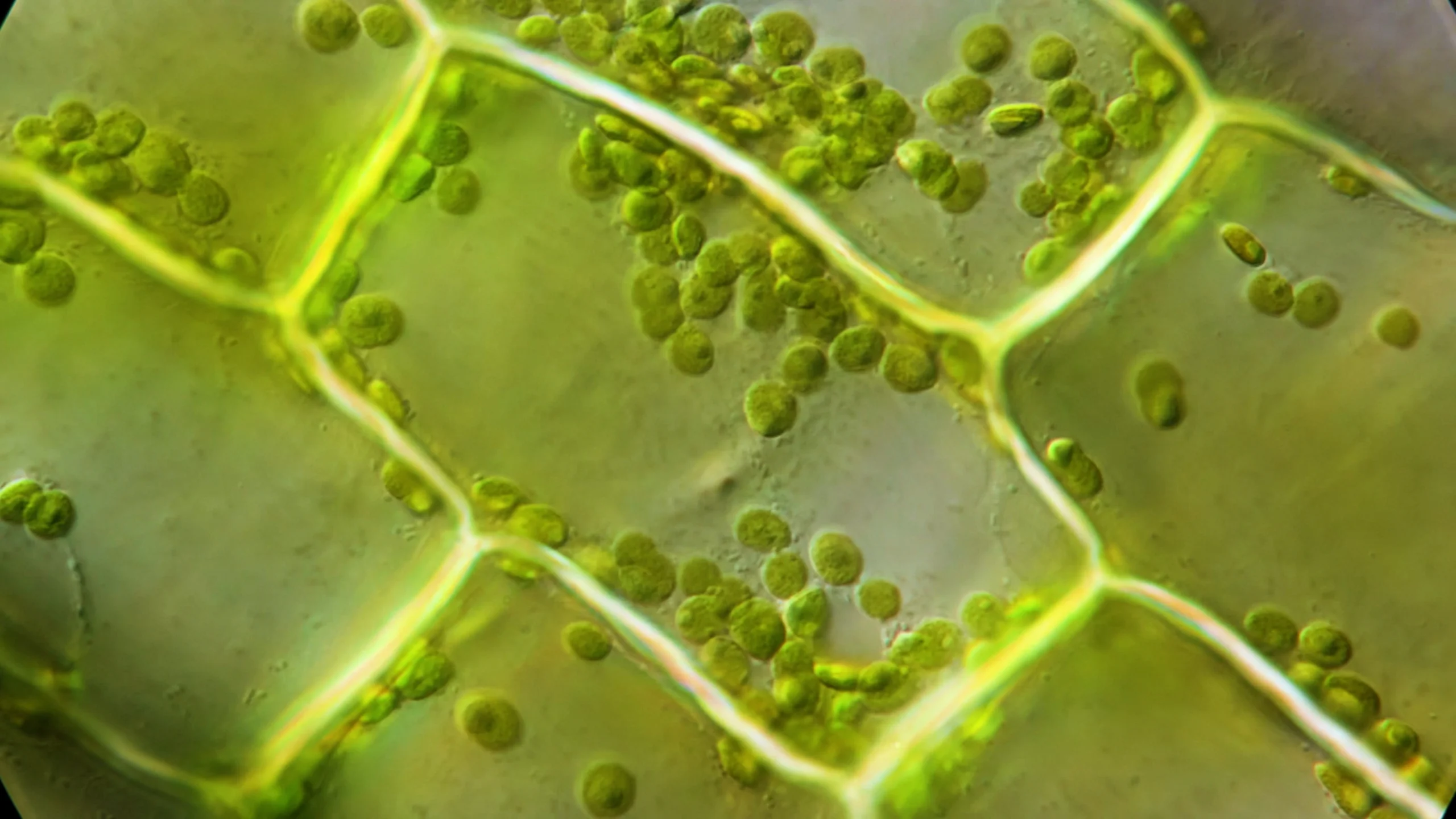
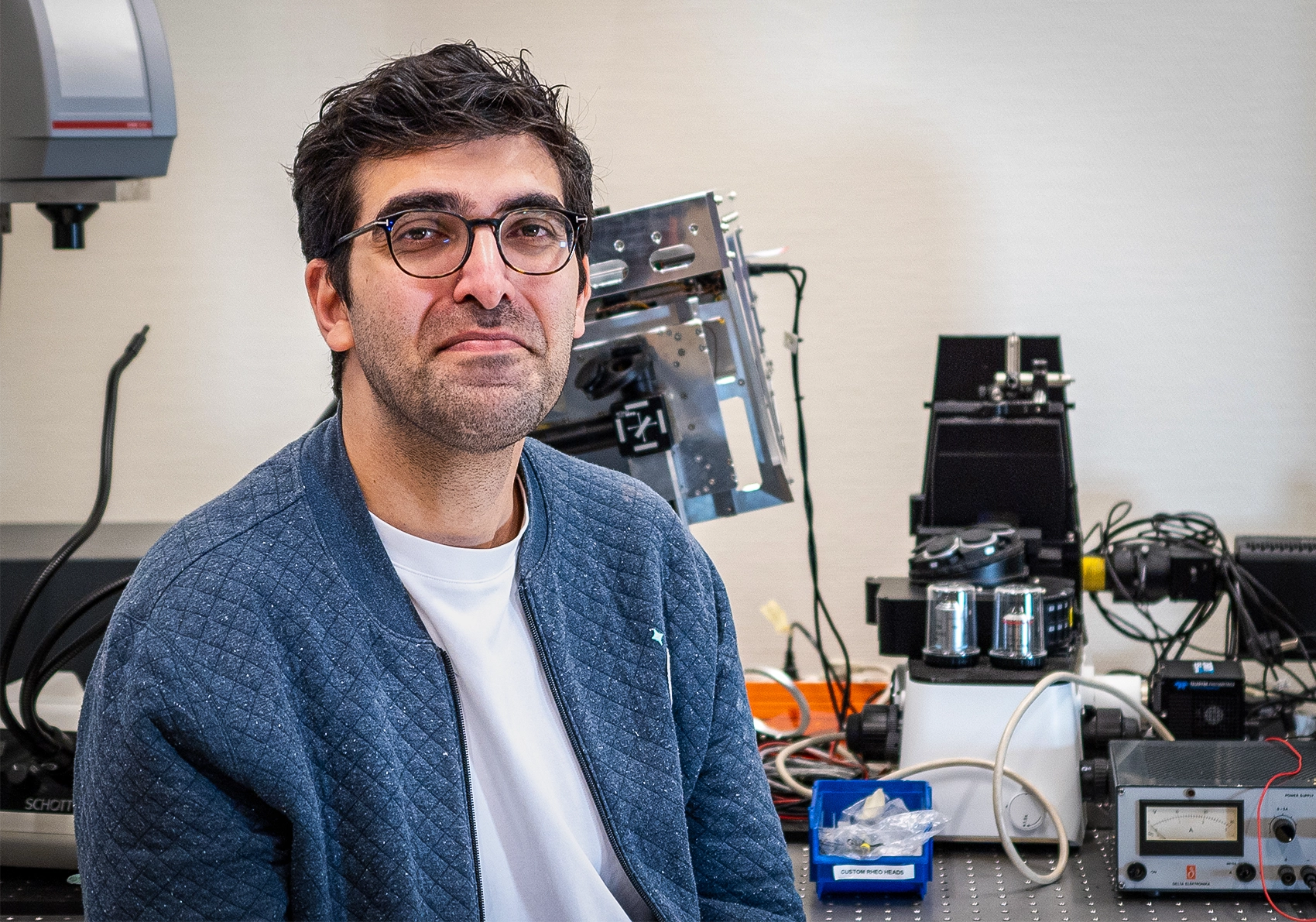
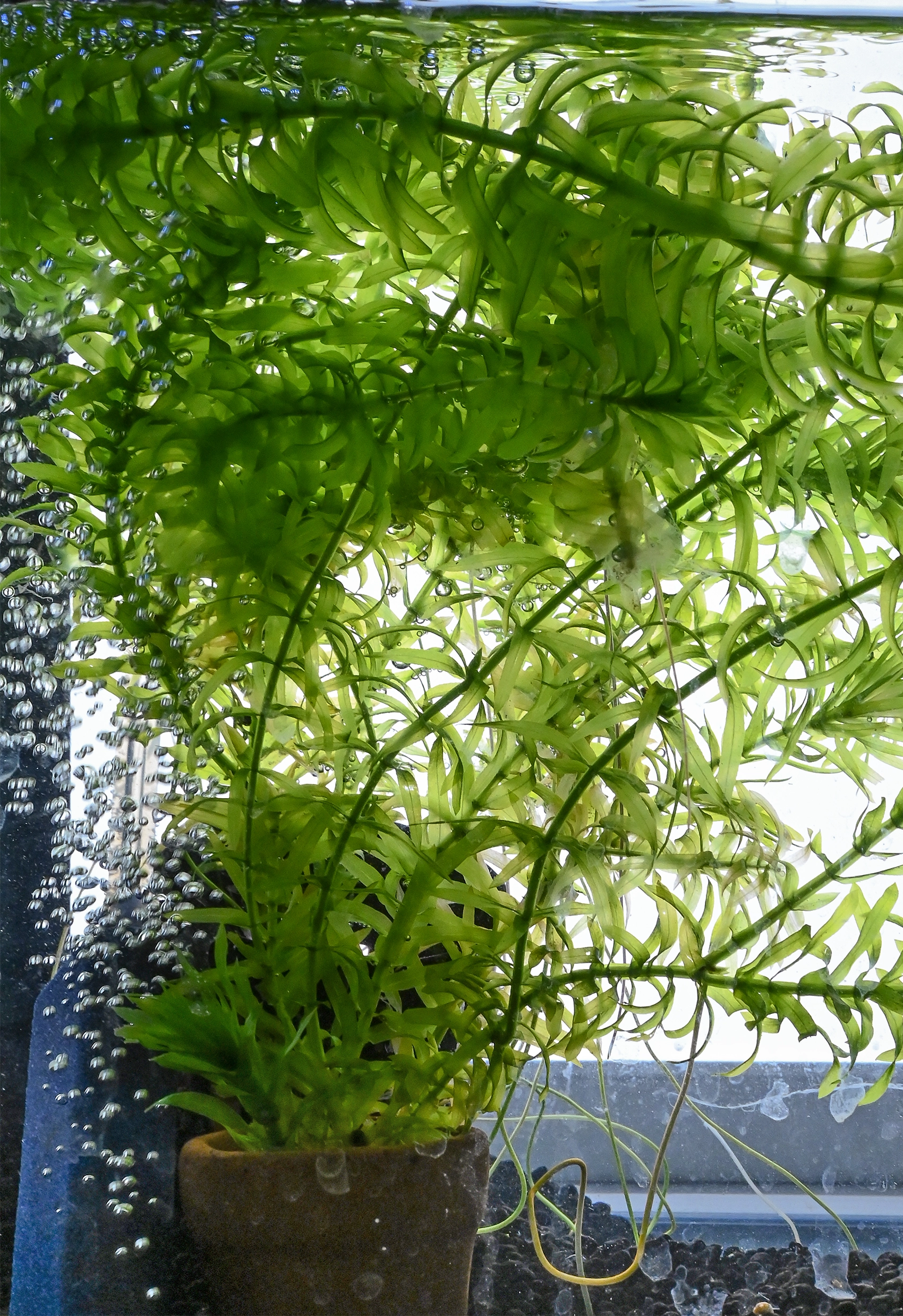
Living on light is a dangerous game. Not only do the sun’s rays carry ultraviolet waves that can snap DNA strands and degrade molecules, but they also vary wildly in intensity. Plants must endure and thrive through soft morning light and blazing summer afternoons, through shade one moment and full sun the next. Their solar calories come in a trickle — or a deluge. “Think of a cloud obscuring the sun, and suddenly the cloud passes and the sun ray hits a leaf,” said Nico Schramma , a biophysicist at Amsterdam University Medical Center. “Something has to change because the intensity might change a hundredfold.” Plants aren’t passive. They respond accordingly. They can reorient themselves by rotating their leaves and stems to seek sunbeams or shade , but this mechanism works on a scale of minutes or hours. For finer responses, their cells must mobilize as well. Within every plant cell are chloroplasts, disc-shaped organelles that turn sunlight into sugars.…