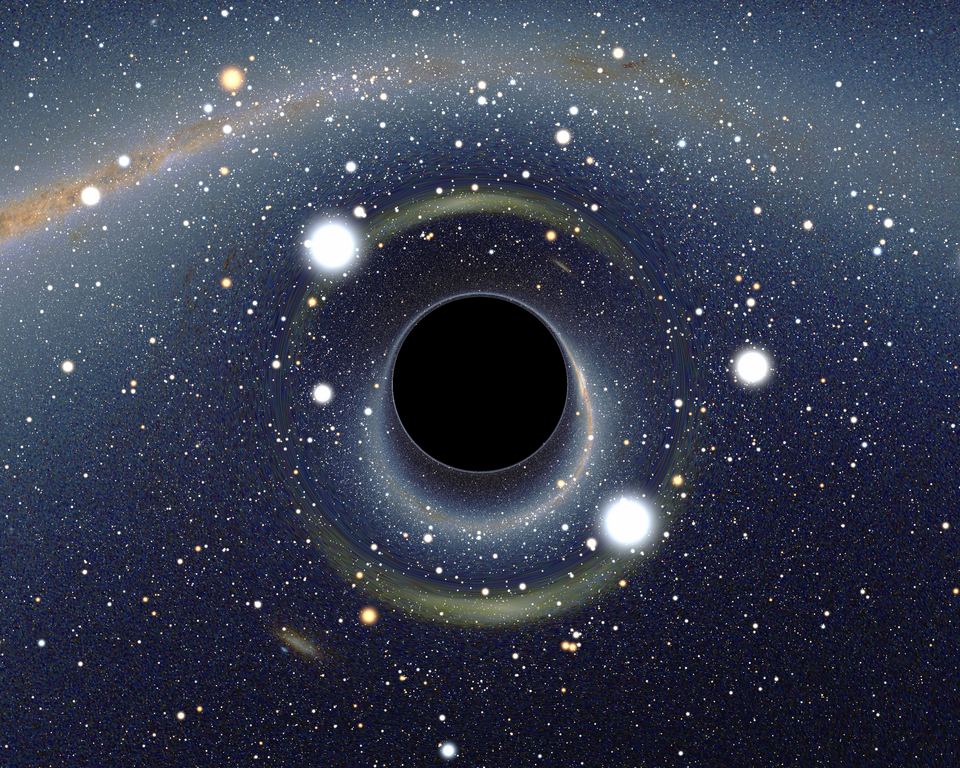
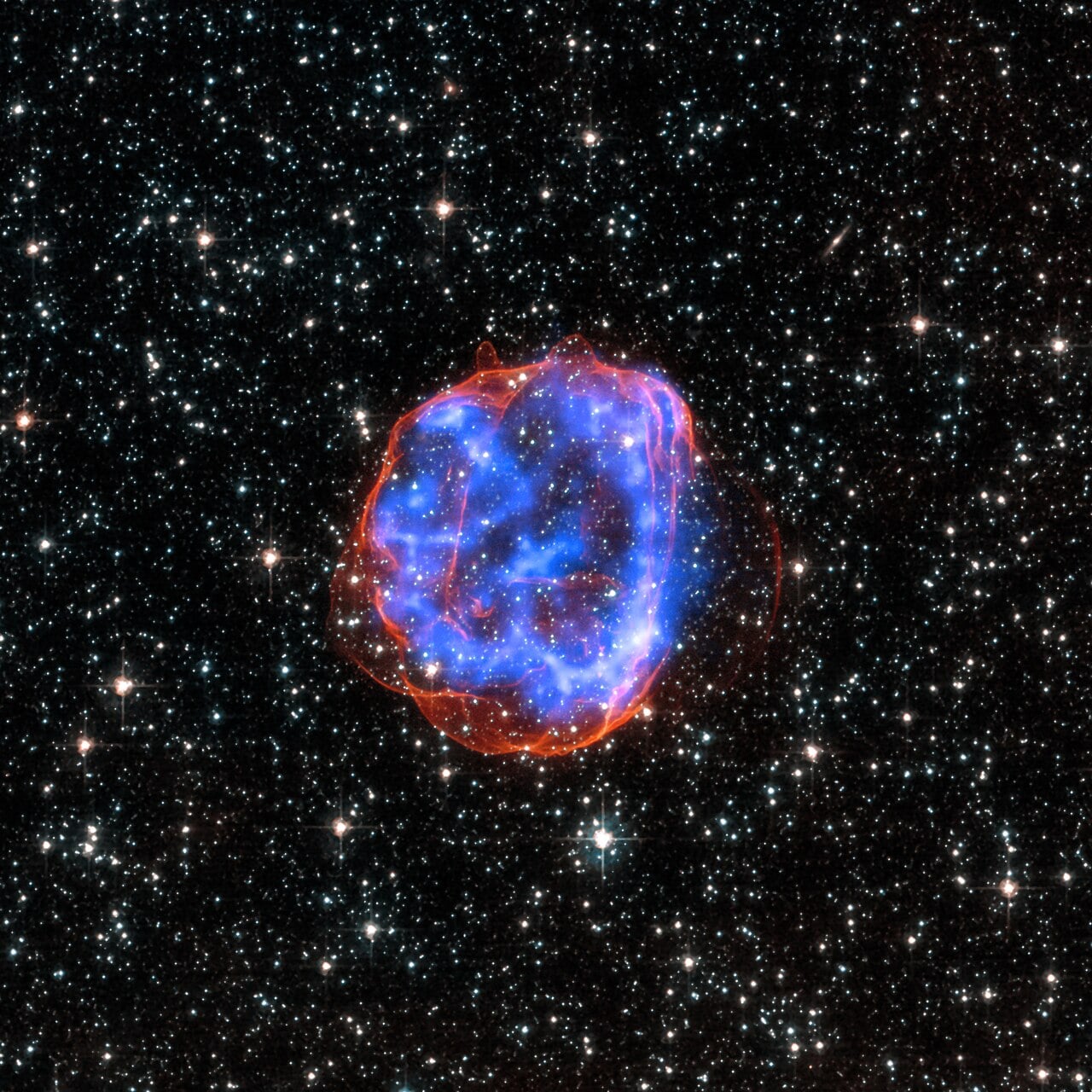
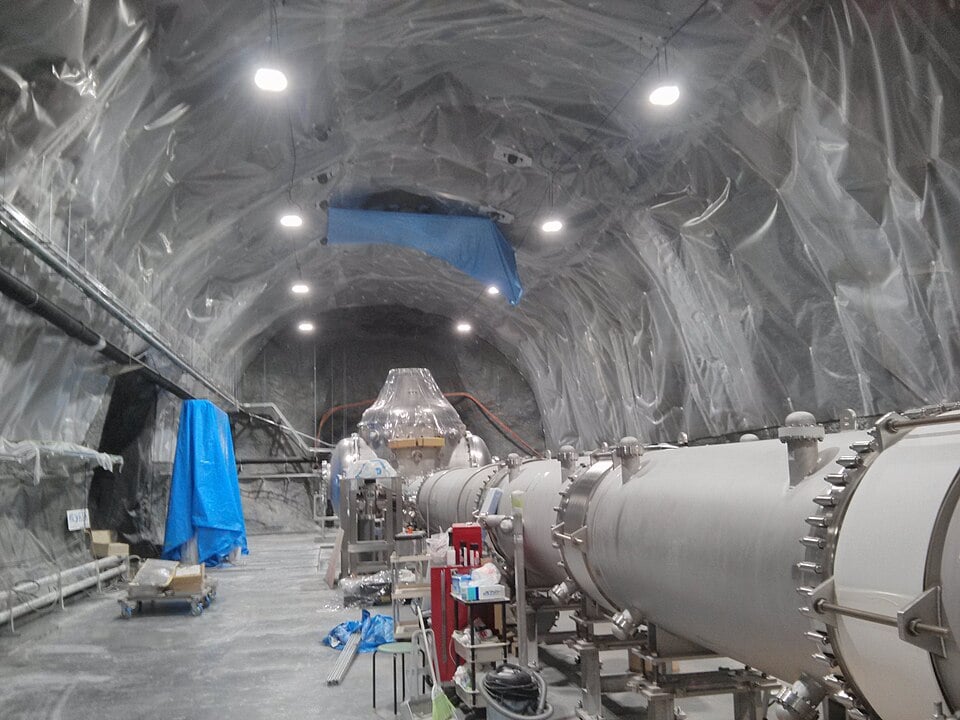
When a massive star reaches the end of its life, it collapses. The cessation of the outward pushing force from fusion means gravity finally wins and the collapse begins. If it's heavy enough, nothing can stop that collapse, not pressure, not heat, not any force in nature. The result is a black hole, a point of infinite density wrapped in a boundary from which not even light escapes. It's one of the most dramatic endings in the universe. But for the biggest black holes, that story turns out to be wrong. Or at least incomplete. Combined X ray and optical image of Supernova remnant SNR E0519-69.0 in the Large Magellanic Cloud (Credit : X ray - NASA/CXC/Rutgers/J.Hughes; Optical - NASA/STScI) A new study led by Cardiff University and published in Nature Astronomy has analysed 153 black hole mergers detected by the LIGO, Virgo and KAGRA gravitational wave observatories.…