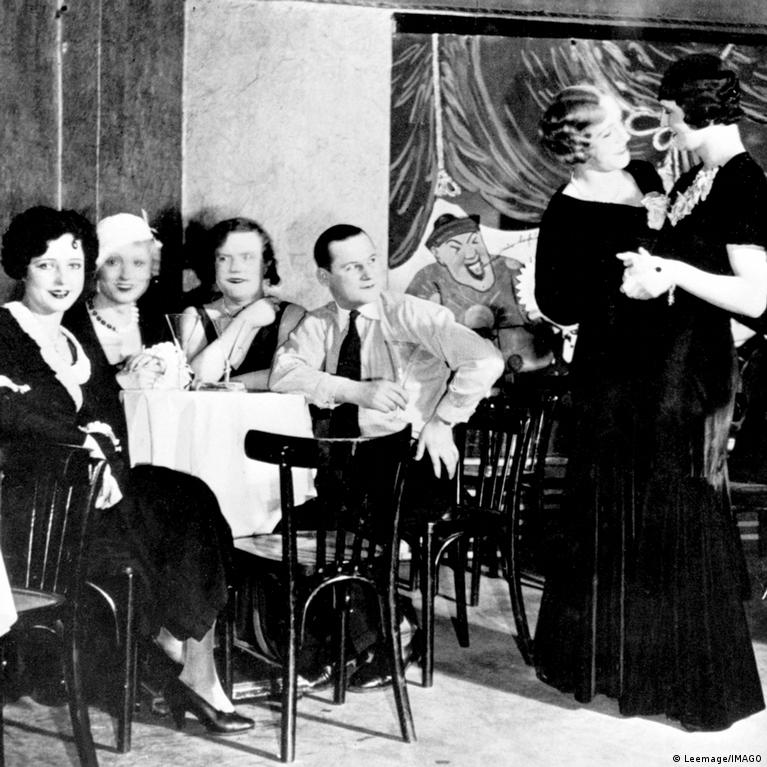
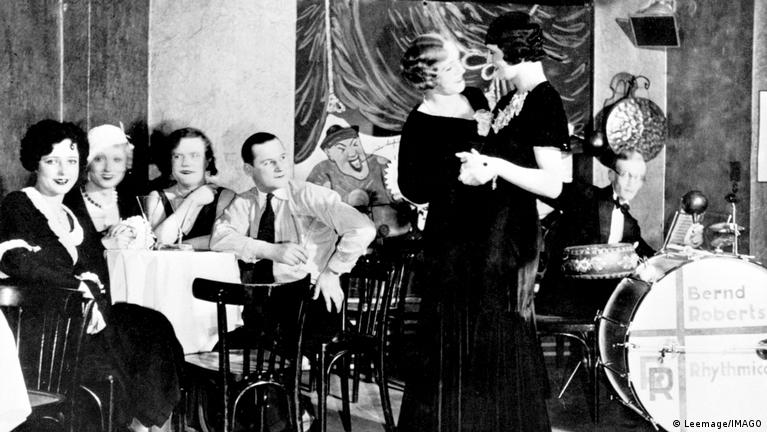
Today, Berlin is largely seen as one of the world's most queer-friendly cities — and that was also the case roughly a century ago, before the National Socialists took power in the early 1930s. In the 1920s, during the era known as the Weimar Republic in Germany, Berlin became not only a haven for queer nightlife but also one of the world's most important centers for early LGBTQ+ research, activism and community building, helping to shape modern thought about sexuality and gender. In 1871, Germany introduced Paragraph 175 , which criminalized sexual acts between men. It was based on earlier Prussian legislation and enforced with varying intensity from 1872 through 1945. East Germany struck the law from the books in 1968, whereas West Germany reformed it in the late 60s and early 70s but didn't do away with it entirely until 1994.…