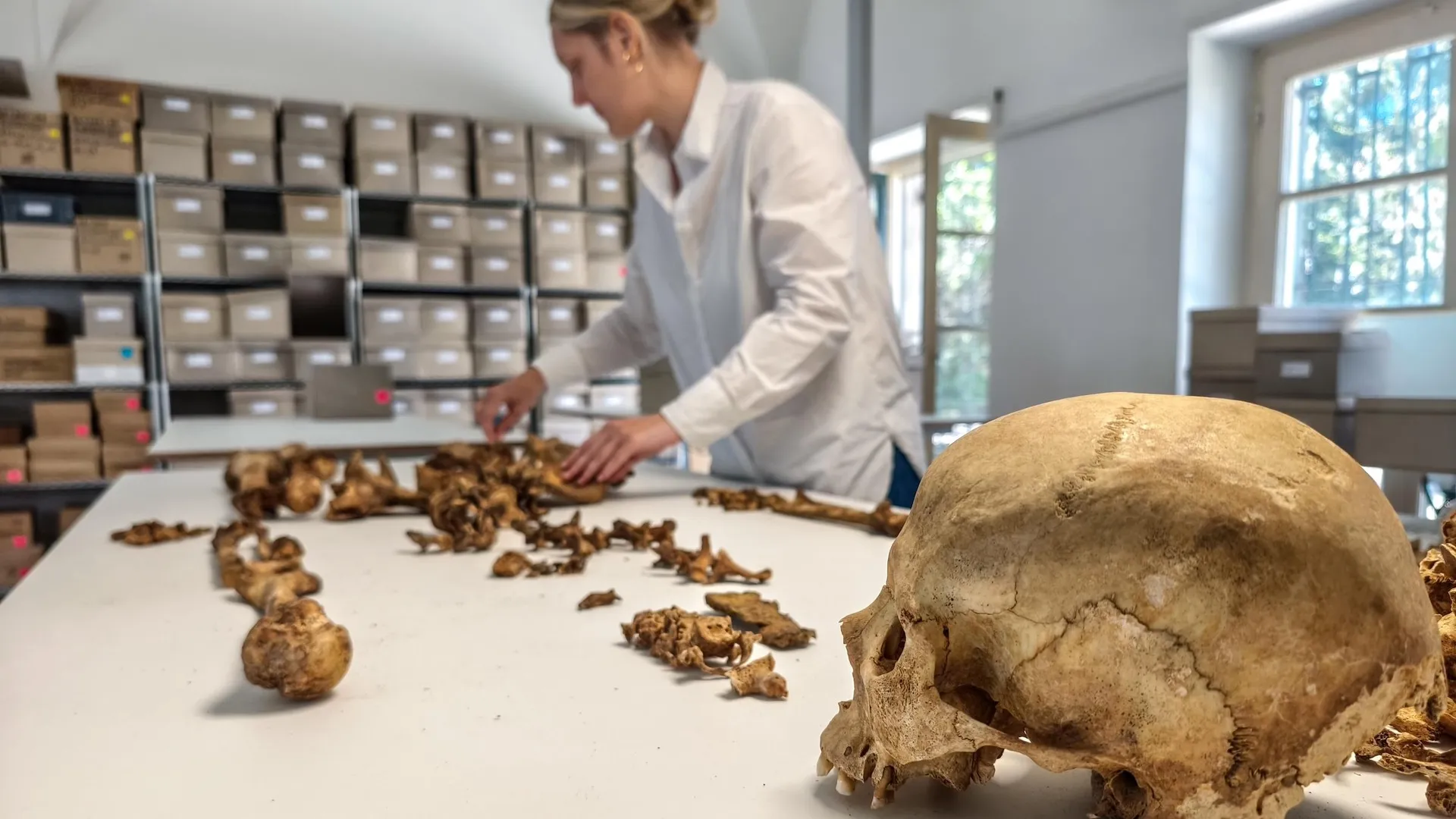
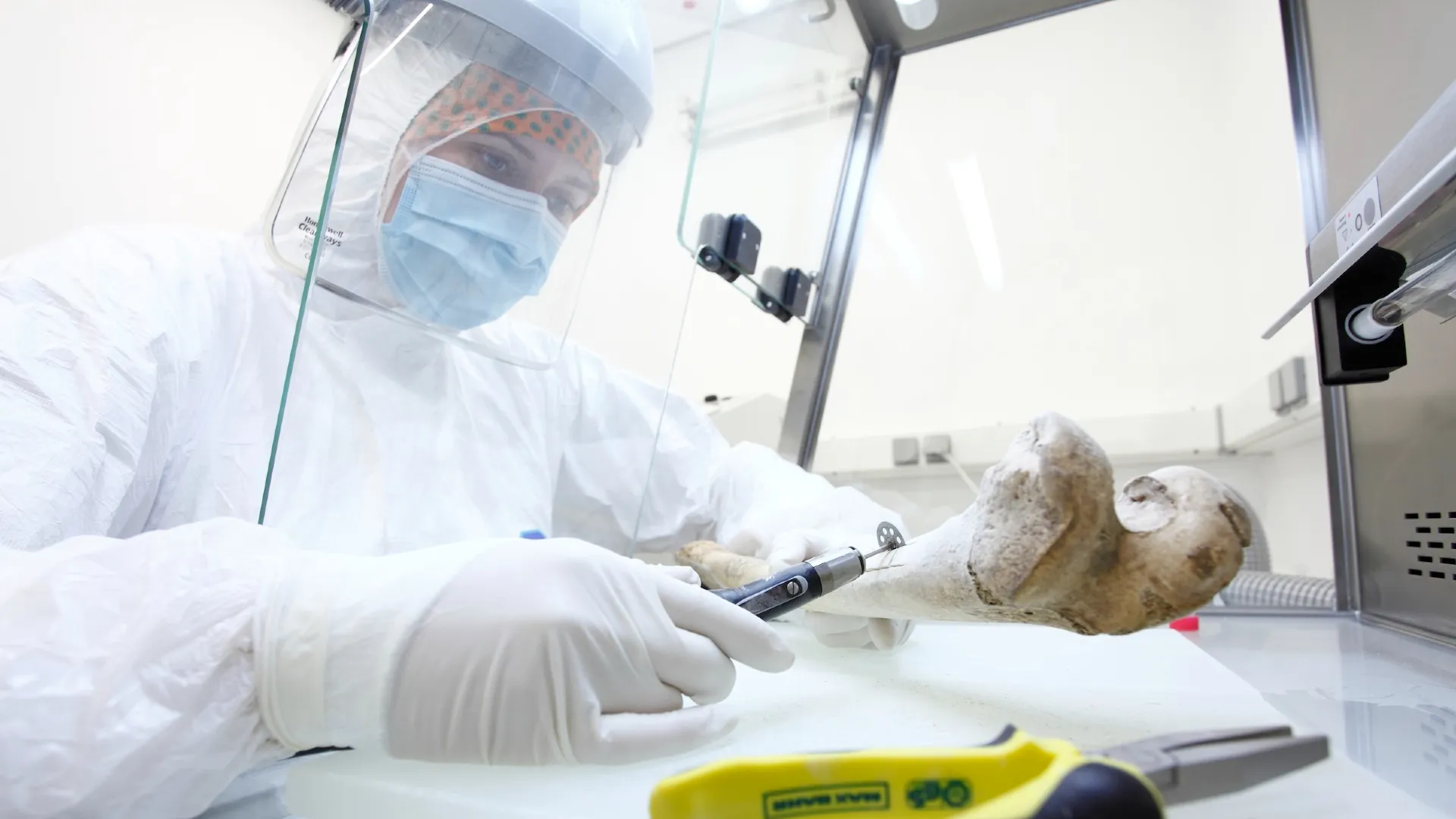
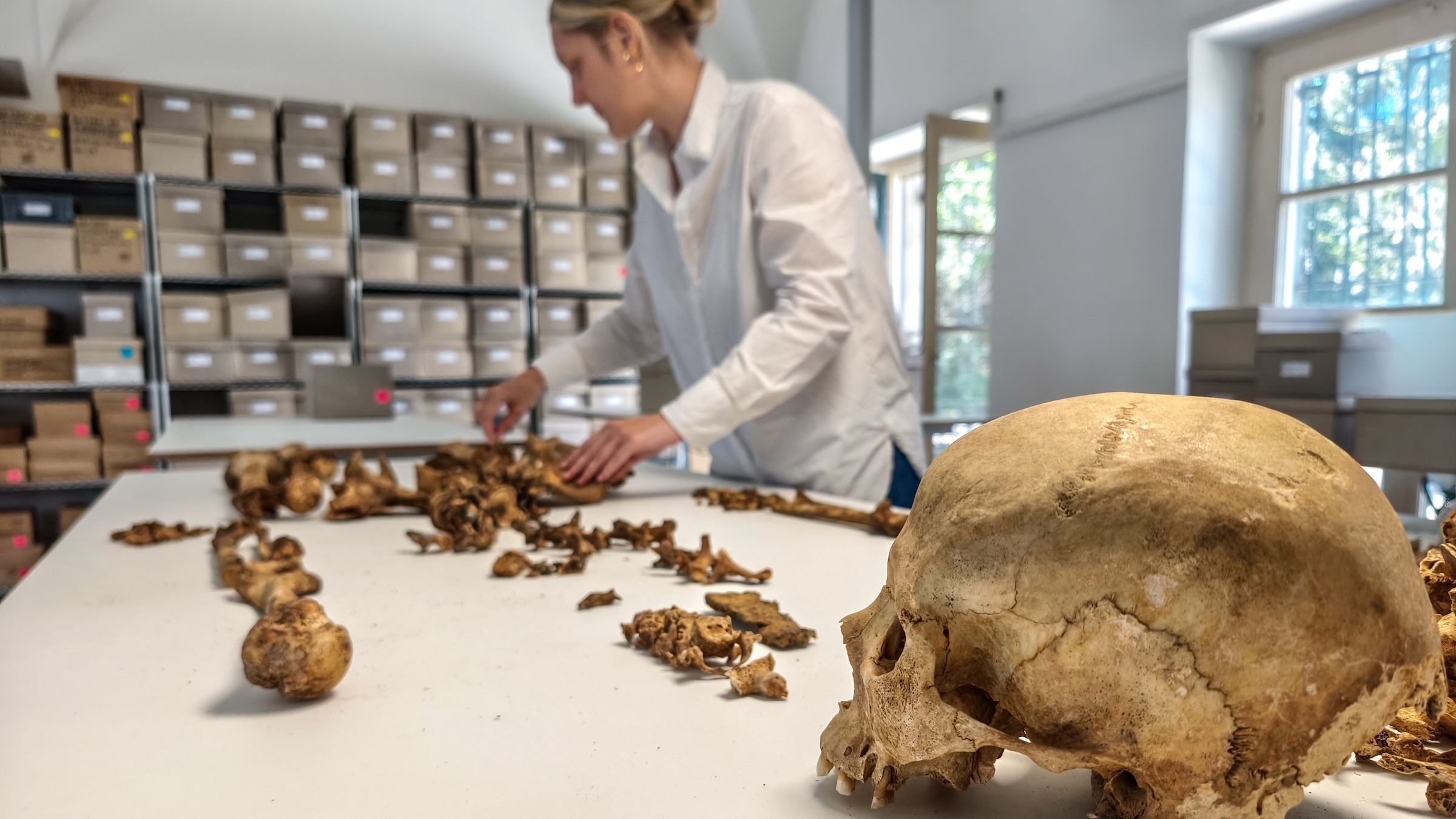
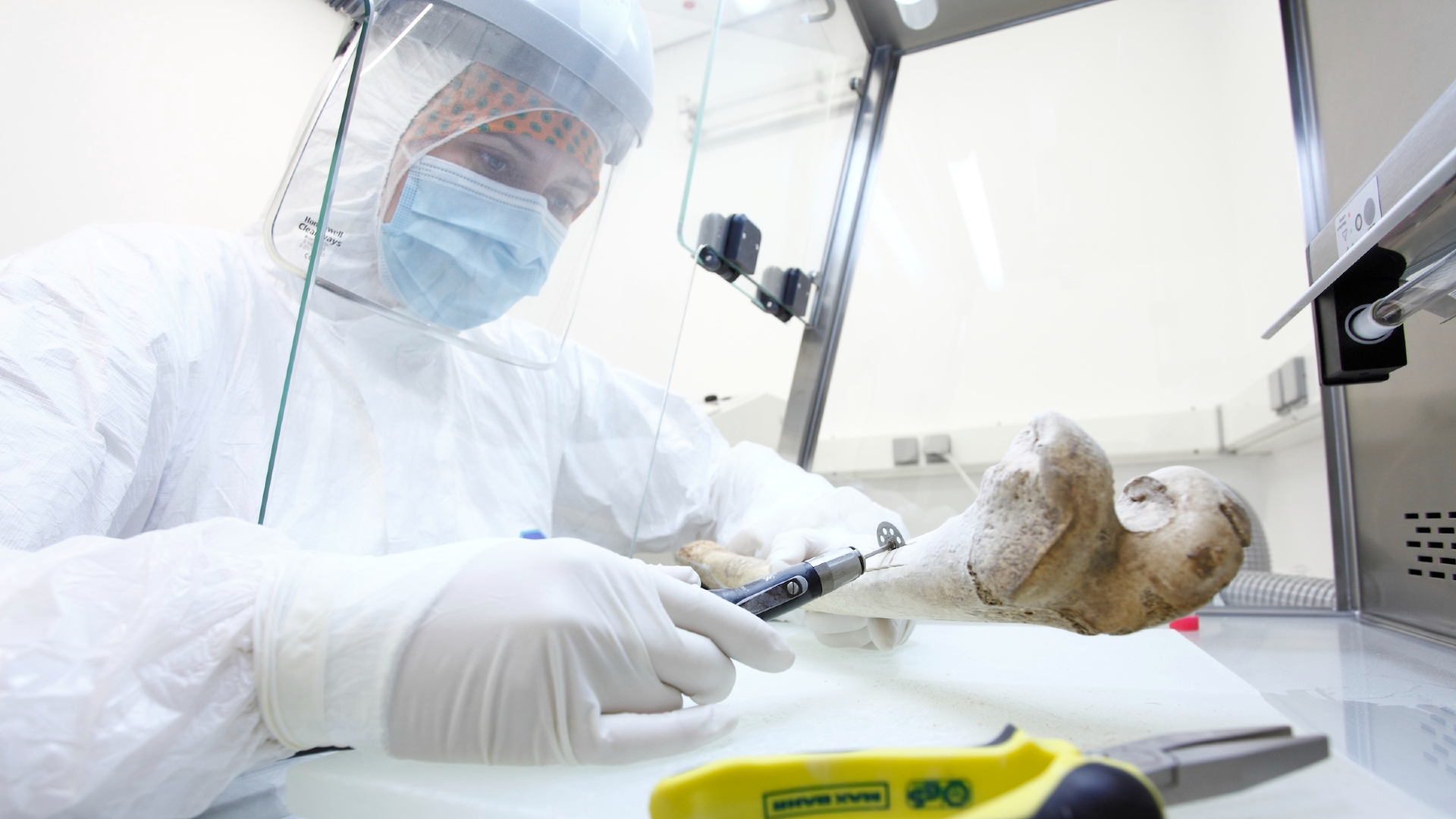
Burials that date to just after the fall of the Roman Empire are revealing the secrets of people who lived on the Roman frontier in what is now southern Germany. A new DNA analysis of more than 200 skeletons in these cemeteries uncovered clues about the people who lived on the Roman frontier between 400 and 700. For example, many people engaged in lifelong monogamy, and nearly one-quarter of children lost at least one parent by age 10, the researchers wrote in the study, which was published Wednesday (April 29) in the journal Nature . They also found that, after the Roman Empire fell in 476, life expectancy may have risen to 43.3 years for men and 39.8 years for women. Previous studies have suggested that life expectancies during the Roman Empire may have been between 20 and 25 years of age. It's likely that women had a lower life expectancy because of a "higher mortality of females after about 10 years of age, suggesting that giving birth was a major risk factor," the researchers wrote in the study.…